Cruise ship hit by hantavirus outbreak docks in Rotterdam
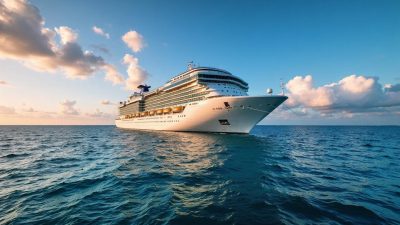
Cruise Ship MV Hondius Arrives in Rotterdam Amid Hantavirus Outbreak
Constantvpn.com – After a prolonged journey across the Atlantic, the Dutch-flagged cruise ship MV Hondius has reached its final destination in Rotterdam. The vessel, which had been battling a hantavirus outbreak, now anchors at the port as part of a coordinated effort to manage the health crisis. The ship’s crew remained aboard for the last segment of the trip, while all passengers had already disembarked in the Canary Islands between 10 and 11 May. This marks the conclusion of a route that began in Ushuaia, Argentina, and was originally intended to end in Cape Verde before being diverted due to concerns over the virus.
The hantavirus outbreak has claimed three lives, including a Dutch couple and a German woman, with two of the deceased confirmed to have contracted the virus. The remaining cases have been reported among passengers, with the Canadian authorities confirming an additional infection on Sunday. This brings the total number of infections to 11, as the World Health Organization (WHO) had previously identified eight confirmed cases and two suspected ones. The virus, which is primarily transmitted through rodents, has raised alarm among health officials due to its potential for human-to-human spread in rare instances.
Rotterdam port harbour master René de Vries stated that the ship was granted permission to dock 10 days ago following discussions with regional health services. “The port received a request to accommodate the MV Hondius and, after consulting with health authorities, agreed that the vessel would be welcome,” he said. The port has also prepared for the crew’s arrival by setting up 25 mobile homes equipped with catering facilities and satellite communication systems. These units will serve as temporary isolation zones for the crew members until further testing confirms their health status.
“Once the ship is moored, it will be thoroughly cleaned and then she can leave again,” de Vries added, emphasizing the port’s commitment to ensuring safety protocols are met. The collaboration with health and local authorities was critical in facilitating the ship’s arrival and preparing for the next steps in managing the outbreak.
The MV Hondius, operated by Oceanwide Expeditions, set sail on 1 April from Ushuaia, Argentina, carrying approximately 150 passengers and crew members from 28 countries. However, the journey took an unexpected turn when dozens of passengers disembarked on the island of St Helena on 24 April. Despite this, Cape Verde authorities initially prevented further passenger departures, citing health risks associated with the virus. This led to a series of diplomatic interventions, with the WHO and the European Union requesting that Spain allow the ship to proceed to the Canary Islands and organize the repatriation of remaining passengers.
On 10 May, the vessel arrived in Tenerife, where the remaining passengers were able to leave the ship. The MV Hondius then departed for the Netherlands on 11 May, transporting only crew members and medical staff. The ship’s doctor and nurse collected samples from the crew during the final leg of the journey, which will be tested upon arrival in Rotterdam. Additional tests are scheduled for Monday afternoon to determine whether the crew has contracted the hantavirus, a group of viruses typically carried by rodents but capable of infecting humans in certain circumstances.
Hantavirus is a family of viruses that can be found in various rodent species, including mice and rats. While most strains do not spread between humans, the Andes virus strain, responsible for this outbreak, has been documented in cases of human transmission. The virus is known to cause severe respiratory illness, with symptoms ranging from fever and fatigue to pulmonary hemorrhage. The WHO has recommended a 42-day isolation period for all individuals leaving the MV Hondius, underscoring the gravity of the situation.
Health officials are closely monitoring the situation, with the GGD Rotterdam-Rijnmond, the regional health service, playing a key role in coordinating the response. Director Yvonnes van Duijnhoven explained that the ship’s medical team gathered samples from the crew while they were still on board. “These tests will provide critical information about the virus’s presence among the crew,” she said, highlighting the importance of rapid diagnosis in preventing further spread.
The outbreak has underscored the challenges of managing infectious diseases on international cruise ships. With passengers and crew traveling across multiple countries, the virus has had the opportunity to spread, leading to a complex situation requiring immediate action. Rotterdam port’s readiness to accommodate the MV Hondius, including the setup of isolation units, reflects the proactive measures taken by local authorities to address the crisis. The port’s collaboration with the European Union and WHO ensured that the ship could complete its journey safely, with the focus now on decontamination and testing.
As the MV Hondius prepares for its next phase, the crew will remain in isolation until the results of the tests are available. The port has also provided logistical support to ensure the ship can be fully sanitized before departure. This incident has prompted discussions about enhancing health protocols on cruise ships, particularly during long voyages. The WHO’s recommendations for extended isolation and the use of satellite communication for monitoring the crew highlight the importance of swift and coordinated responses to prevent larger outbreaks.
Meanwhile, the remaining passengers who disembarked in the Canary Islands are being closely monitored by local health authorities. The cruise company has issued statements acknowledging the outbreak and pledging to work with health officials to mitigate any risks. The MV Hondius’s journey, which began in Argentina and ended in Rotterdam, serves as a case study in the challenges of global travel during a public health emergency. With the virus’s potential for human transmission and its severity, the situation remains under scrutiny as authorities strive to contain the spread and ensure the safety of those involved.
The MV Hondius’s arrival in Rotterdam marks a significant milestone in the containment efforts. While the ship’s crew will now undergo testing, the focus has shifted to assessing the virus’s impact and learning from the outbreak. The port’s preparedness and the collaborative approach between health and local authorities have been praised for their effectiveness. As the vessel prepares to depart, the lessons learned from this incident will likely influence future cruise operations and health guidelines for international travel.
