Captain of Russian shadow fleet tanker intercepted in Channel charged
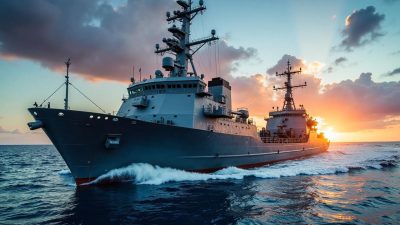
Captain of Russian Shadow Fleet Tanker Interdicted in Channel Faces Charges
Constantvpn.com – The captain of a Russian shadow fleet oil tanker, the MV Smyrtos, has been formally charged for violating UK sanctions, according to the National Crime Agency (NCA). The vessel was intercepted by Royal Marine commandos in the English Channel on Sunday, marking a significant moment in the UK’s efforts to curb Russia’s maritime activities. Ajay Pant, an Indian national and the 38-year-old captain, is scheduled to appear at Southampton Magistrates’ Court on Tuesday. Twenty-four crew members remain on board the MV Smyrtos, which is currently anchored off the coast of Weymouth under the custody of UK authorities.
The NCA confirmed that Pant faces charges under the UK’s 2019 sanctions regulations, specifically Reg 46Z9B, which targets Russia’s actions in Ukraine. The regulations prohibit the direct or indirect shipment of Russian oil and related products to third countries. The interception operation, which lasted six hours, involved Royal Air Force support and featured commandos deploying via fast-roping from a helicopter. This was the first such operation conducted by UK armed forces, showcasing a new approach to enforcing sanctions in international waters.
Interdiction Operation and Strategic Impact
The MV Smyrtos, part of Russia’s network of sanctioned tankers, was flagged as a key asset in the country’s attempt to bypass economic restrictions. These vessels, often operated by companies with ties to Russian state interests, are used to transport oil and petroleum products to markets outside the EU. The successful boarding of the MV Smyrtos by Royal Marines demonstrates the UK’s capability to act decisively against such movements. Transport Secretary Heidi Alexander issued a directive on Monday to prevent the ship from departing UK waters, solidifying the government’s stance on the issue.
“Sanctioned oil is bankrolling Putin’s brutal war in Ukraine. Every barrel sold helps fund the missiles and drones used to kill Ukrainians in their home, destroy their infrastructure and break their will,” said Defence Secretary Dan Jarvis during a parliamentary session. He emphasized that the operation was a clear signal to Russia, underscoring the UK’s commitment to targeting its “war machine” through coordinated military and diplomatic measures.
The MV Smyrtos is not the first Russian tanker to face scrutiny. Russia has been utilizing hundreds of oil ships as part of its shadow fleet to circumvent sanctions imposed by the UK and other Western nations. These vessels operate under the radar, often employing intermediaries or disguising their origins to evade detection. The UK has sanctioned over 500 such ships since the conflict in Ukraine began, with Prime Minister Sir Keir Starmer highlighting in March that British forces were now equipped to board and inspect these vessels while they transit UK waters.
UK’s Legal and Military Response to Russian Sanctions
The interdiction of the MV Smyrtos follows a series of targeted actions against Russian maritime assets. The National Crime Agency has been central to these efforts, working closely with the Royal Navy and Royal Marines to enforce sanctions. The operation’s success has raised questions about the effectiveness of such measures in disrupting Russia’s economic strategies. The crew of the MV Smyrtos, comprising Georgian and Indian nationals, is reported to be cooperating with UK authorities, providing critical information about the ship’s cargo and route.
“The UK and its allies can and will act against the Russian war machine,” Jarvis stated in the Commons, adding that the move was a necessary step to uphold sanctions. “We do not seek escalation, but we will take measures to ensure compliance with our legal frameworks,” he clarified, emphasizing the balance between firm enforcement and diplomatic restraint.
The MV Smyrtos incident highlights the evolving nature of sanctions enforcement in the maritime domain. While the UK’s 2019 regulations focus on restricting trade with Russia, the interdiction underscores the broader goal of isolating the country’s financial and military capabilities. The ship’s cargo, which could include crude oil or refined petroleum products, is believed to have been destined for countries not directly under sanctions, further complicating the situation.
Global Implications of the Shadow Fleet Strategy
Russia’s reliance on its shadow fleet reflects a deliberate strategy to maintain economic flow despite international pressure. By using third-country flagged vessels, the nation aims to bypass direct sanctions and continue exporting oil to support its military operations in Ukraine. The MV Smyrtos case adds to a growing list of intercepted ships, with the NCA estimating that over 500 Russian tankers have been sanctioned since the conflict escalated in 2022.
The UK’s actions are part of a larger coalition effort to weaken Russia’s financial resources. The European Union has also imposed similar restrictions, targeting the shipment of oil products to countries such as China and India. Analysts suggest that the shadow fleet’s operations are a critical component of Russia’s ability to sustain its war effort, with the UK’s interdiction serving as a symbolic but impactful demonstration of resolve.
As the MV Smyrtos remains in UK waters, the case has drawn attention to the challenges of monitoring and intercepting sanctioned vessels. The NCA has pledged to continue its operations, with Pant’s trial expected to set a legal precedent for future cases. The incident also reinforces the UK’s ability to act independently in enforcing sanctions, even as it collaborates with allies to strengthen the collective response to Russia’s aggression.
The success of the operation has sparked discussions about the potential for more frequent interdictions. With the Royal Air Force providing aerial support and Royal Marines conducting boarding operations, the UK has established a robust mechanism to target Russian oil shipments. This approach not only disrupts the flow of resources but also sends a strong message to Moscow about the consequences of its actions.
While the MV Smyrtos remains under scrutiny, the broader implications of the interdiction extend beyond the immediate case. The ship’s crew, now assisting the NCA, may provide insights into Russia’s shipping networks and cargo routes. The UK’s ability to execute such operations quickly and effectively highlights the integration of military and legal strategies in the fight against Russia’s economic warfare. As the sanctions regime continues to evolve, the MV Smyrtos case stands as a testament to the UK’s commitment to holding Russia accountable for its actions in Ukraine.
