
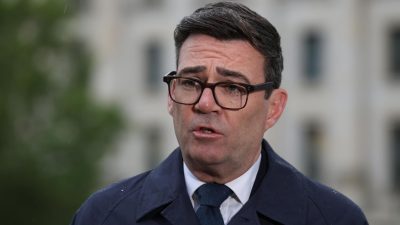
Burnham calls for evidence-led debate on future EU ties
Constantvpn.com – Prime Minister Andy Burnham has said the UK should be prepared to hold a frank public debate about whether closer relations with the European Union could eventually include freedom of movement.
In comments made before an EU summit in Brussels on 20 November, Burnham argued that the conversation should focus on evidence and on how migration patterns have changed since Britain left the EU. He said a future arrangement with Brussels could potentially range from greater single-market involvement to full EU membership, both of which could bring freedom-of-movement requirements.
“I think you have to have a very factual, quite evidence-based debate about this.”
Burnham said migration to the UK now differs from the pattern seen before Brexit. He contrasted current trends with the movement of younger people who previously arrived for a period before returning to their home countries.
“Revolving door migration where people would come and then go back is different.”
He added that the changing balance of migration meant the country needed an open discussion about the consequences and trade-offs involved in any new agreement with the EU.
Election mandate would be required
Labour’s 2024 election manifesto ruled out a return to free movement, membership of the single market and a customs union. Burnham has previously backed that position and said any major change would need a clear mandate at a general election, which must take place by 2029.
He also sought to set limits on what he could support, saying he could not envisage recommending participation in either the euro or the Schengen area.
“I can’t see myself ever recommending anything that would involve joining the euro or Schengen.”
Schengen enables passport-free travel across participating European countries. While the UK retained the pound throughout its former EU membership, newer EU members have faced pressure to adopt the euro.
Freedom of movement was one of the most contentious themes of the 2016 referendum campaign. The Leave campaign regularly highlighted rules that allowed EU citizens to live and work in the UK. The issue remains politically sensitive because it connects wider questions of immigration, labour shortages, trade and national control.
Rayner says options should not be ruled out
Deputy Prime Minister Angela Rayner said the government’s aim should be to secure the strongest possible arrangement for Britain, even if that required compromises. She said the prime minister was advocating a practical discussion, rather than committing the government to a particular destination.
“You can’t take anything off the table.”
Rayner said voters should be given a clearer understanding of the choices involved before any future election. In her view, the earlier referendum debate did not give enough attention to the practical implications of the available options.
“What the prime minister is saying now, and what I want, is that we have an honest conversation about the facts of what the trade-offs are to get the best deal for Britain going forward.”
She said such choices should ultimately be put before the public at a general election. The planned Brussels summit is expected to provide Burnham with an opportunity to outline possible routes for resetting the UK-EU relationship.
Opposition parties challenge the proposal
Conservative leader Kemi Badenoch said Burnham had failed to consider the implications of reopening the freedom-of-movement debate. She argued that immigration was a central reason many people supported Brexit and said politicians had too often underestimated its effect on communities.
Former chancellor Jeremy Hunt, a Conservative who supported Remain, urged politicians not to reopen a debate he described as deeply divisive. He argued that the existing Brexit settlement should be made to work rather than replaced.
“Having made the decision, we should stick with it and make the most of it – I think we can make it a success.”
Hunt also pointed to the estimated one million young people who are neither working nor in training. He said helping those people into employment should take priority over policies that might increase competition for jobs.
Reform UK’s economy spokesperson Robert Jenrick dismissed the prospect of freedom of movement returning, calling it “mad”. He has said he has never regarded the policy as beneficial.
Liberal Democrats argue closer integration could aid growth
Liberal Democrat deputy leader Daisy Cooper took the opposite view, saying restored freedom of movement could support economic growth. She called for the UK to rejoin the single market and customs union, while also taking part in the EU’s defence pact.
Cooper argued that Britain currently faces disadvantages on immigration policy because it is outside the EU’s new asylum pact, which includes biometric data-sharing measures. She said access to those arrangements could help address the small-boats crisis.
The debate illustrates the difficult balance facing any government seeking closer cooperation with Brussels. A reset could offer advantages in trade, security or mobility, but it could also revive arguments over sovereignty, immigration and the meaning of the Brexit vote.
For now, Burnham’s intervention does not amount to a commitment to restore freedom of movement. Instead, it places the issue back into a wider argument about what Britain may be willing to exchange in pursuit of a different long-term relationship with the European Union.
Related Reading
Frequently Asked Questions
What is Burnham open to honest discussion on EU?
Burnham open to honest discussion on EU is the main topic of this guide. The article explains the context, practical details, and next steps readers should understand.
Why does Burnham open to honest discussion on EU matter?
Burnham open to honest discussion on EU matters because readers are looking for a useful answer, not just a short summary. Good content should match search intent and help them decide what to do next.