Burnham cements Labour leadership with backing of 349 MPs
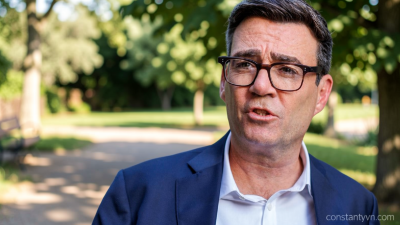
Burnham Secures Labour Leadership with Overwhelming Parliamentary Support
Constantvpn.com – Andy Burnham has effectively secured the position of Labour leader after receiving nominations from 349 members of the party’s parliamentary group. This substantial tally ensures that he will replace Sir Keir Starmer as the head of the opposition. Following a second day of the nomination process, the Makerfield representative garnered an additional 27 endorsements from fellow Labour politicians. This cumulative total places him on a clear trajectory to assume the role of prime minister on 20 July. With the numbers now finalized, it is mathematically certain that no other contender can gather enough support to challenge his candidacy.
While the parliamentary backing is decisive, Burnham still needs formal approval from three organizations affiliated with the Labour Party. At least two of these entities must be trade unions, though political observers anticipate this step will be a mere formality rather than a hurdle. The former mayor of Greater Manchester also distinguished himself by fielding questions from Labour MPs during an online hustings event on Monday evening. Notably, he was the sole participant in this digital gathering, highlighting his dominant standing within the party at this moment.
This development marks a remarkable ascent for Burnham, who only returned to Westminster three weeks prior following his historic victory in the Makerfield by-election. In a public statement released on Thursday, shortly after securing 322 nominations on the first day of the process, Burnham emphasized that his support base spans the entire political spectrum of his party. He noted that this widespread backing reflects a collective conviction that the nation requires a fresh direction in governance.
“That is the circuit breaker I am offering: power out of Westminster, an economy rewired for ordinary people, and good growth in every postcode,” Burnham declared.
According to the internal regulations of the Labour Party, any candidate seeking the leadership must secure nominations from 20% of the parliamentary party. Given that there are 403 MPs in total, the threshold stands at 81 nominations. Burnham’s current count of 349 far exceeds this requirement, rendering any potential rival’s nomination futile. His own by-election triumph, combined with significant Labour defeats in the local elections held in May, generated pressure from within the ranks for Sir Keir to step down. Consequently, the outgoing leader resigned on the very day Burnham was officially sworn in as a new member of parliament.
Burnham is not a newcomer to leadership contests, having previously campaigned for the role in both 2010 and 2015. In those earlier attempts, he was defeated by Ed Miliband and Jeremy Corbyn, respectively. However, this time he faces no opposition, meaning his path to Downing Street will bypass the traditional summer vote involving party members and affiliated union supporters. Before the field closed completely, Wes Streeting, who served as health secretary under Sir Keir, was viewed as a potential challenger. Yet, Streeting quickly threw his support behind Burnham following the prime minister’s departure. Another possible contender, former Defence Minister Al Carns, had also been considered likely to run but officially withdrew from the race last Wednesday.
Despite his clear victory, Burnham has encountered requests from certain factions within Labour to provide greater clarity on the policies he intends to pursue once in government. The 56-year-old politician left the House of Commons in 2017 to pursue the mayoralty of Greater Manchester, a position he won three consecutive times. While this demonstrates his electoral appeal, it has also meant that his opportunities to build strong connections with MPs elected since 2017 have been somewhat restricted. These newer members constitute the majority of the Parliamentary Labour
