At least 32 dead after overcrowded bus plunges into ravine in Pakistan
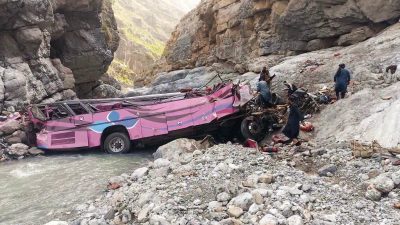
Tragic Bus Accident in South-Western Pakistan Claims 32 Lives
Constantvpn.com – A devastating incident in south-western Pakistan has left at least 32 people dead and 16 others injured after a passenger bus overturned and plunged into a ravine. The accident occurred near the Dana Sar mountain range, straddling the border between Balochistan and Khyber Pakhtunkhwa provinces, at approximately 08:00 local time on Friday. This early morning crash has sparked widespread concern over road safety in the region.
Overcrowding and the Crash
According to officials at Zhob Hospital, the bus was carrying 48 individuals, including women and children, when it crashed. The vehicle was en route from Quetta to Peshawar, a journey that typically takes several hours. Initial reports indicate that the overcrowding may have been exacerbated by the bus picking up additional passengers from another vehicle that had broken down earlier along the route. This added weight, combined with challenging road conditions, likely contributed to the disaster.
Photographs from the scene reveal the extent of the damage. The bus, which was severely crushed upon impact, lay at the bottom of the ravine, its wreckage scattered across the rocky terrain. Emergency responders arrived at the site shortly after the crash, but the rugged landscape made it difficult to extract survivors and recover the deceased. The District Headquarters hospital in Zhob, about 68 kilometers from the crash location, received the injured, though the full number of casualties is still being confirmed.
Investigation and Rescue Efforts
Authorities are currently investigating the cause of the accident. Preliminary findings suggest a possible steering malfunction may have caused the driver to lose control, leading to the vehicle skidding off the mountainous road. Sanaullah Sherani, the head of Zhob district’s emergency service, described the fall as “approximately 70 to 80 feet [21-24 meters] into the ravine,” emphasizing the severity of the crash.
“The bus fell approximately 70 to 80 feet [21-24m] into the ravine,” said Sanaullah Sherani, adding that the steep incline and loose rocks in the area worsened the situation.
Rescue teams worked tirelessly to reach the victims, deploying dozens of emergency responders and ambulances. However, the difficult terrain—ravines, rocky slopes, and narrow pathways—delayed efforts. Despite these challenges, officials reported that the injured were quickly transported to the hospital for treatment. The bodies of the deceased were also brought to the facility, where they will be identified before being sent to their hometowns for burial.
Government Response and National Context
Following the tragedy, both President Asif Ali Zardari and Prime Minister Shehbaz Sharif expressed their condolences. Balochistan’s Chief Minister Sarfraz Bugti took to X, stating, “I am deeply saddened to hear of this accident and have ordered a thorough inquiry into the circumstances that led to it.” His statement highlighted the government’s commitment to addressing the incident and preventing future tragedies.
“I extend my condolences to the families of the deceased and pray for the swift recovery of the injured,” Bugti said, while emphasizing the need for improved road infrastructure and stricter safety protocols.
Such accidents are not uncommon in Pakistan, where road fatalities often stem from a combination of factors. Reckless driving, poorly maintained vehicles, and deteriorating road surfaces are frequently cited as causes of deadly incidents. In 2024 alone, a similar tragedy occurred when a bus carrying pilgrims overturned in a ravine during a trip to Balochistan for Eid celebrations, killing 17 and injuring 40. These events underscore the urgent need for systemic changes in transportation safety.
The current incident has raised questions about the oversight of public transport in the region. Local officials acknowledged that overcrowding remains a persistent issue, with buses often exceeding their capacity to meet demand. This practice, while economically driven, increases the risk of accidents. The government is expected to review its transportation policies in light of the disaster, particularly regarding the enforcement of load limits and the maintenance of mountain roads.
Impact and Future Measures
Residents of the area have described the crash as a “catastrophe” that has shaken their community. Families of the victims are now in mourning, with many expressing frustration over the lack of preventive measures. Some local leaders have called for immediate inspections of all buses operating on the Quetta-Peshawar route, citing the need for stricter adherence to safety regulations.
As the investigation continues, experts are analyzing the role of mechanical failures and human error in the incident. The steering fault mentioned in preliminary reports could indicate a failure in routine maintenance, a common problem in older vehicles. Meanwhile, the government is working to coordinate with emergency services to expedite rescue operations and ensure the families of the victims receive support.
This accident serves as a stark reminder of the dangers faced by road travelers in Pakistan. With over 1,000 people killed annually in traffic-related incidents, the nation continues to grapple with a crisis that demands urgent attention. The incident in Dana Sar is likely to become a pivotal moment in the ongoing dialogue about road safety reforms, particularly in regions with steep and winding roads.
As the days pass, the focus will shift from immediate rescue efforts to long-term solutions. The government’s response to this tragedy, including any proposed policy changes, will be closely watched. For the families affected, the loss of loved ones is a profound tragedy, and their voices will be central to any discussions about improving the safety of public transport in Pakistan.
