Ayatollah Khamenei, who battled the US and Israel for decades as Iran’s supreme leader, has been killed
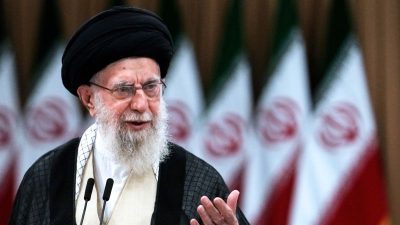
Ayatollah Khamenei, who battled the US and Israel for decades as Iran’s supreme leader, has been killed
The death of Ayatollah Ali Hosseini Khamenei marks a dramatic shift in Iran’s political landscape. A leader who held the nation under strict control for nearly four decades, he was struck down in a coordinated attack by U.S. and Israeli forces, which targeted his leadership base in Tehran. This event has sent shockwaves through the Islamic Republic, leaving its future uncertain and reshaping regional dynamics.
Supreme Leader’s Death Confirmed
Multiple state media outlets in Iran confirmed the news on Sunday, hours after the U.S. and Israel declared Khamenei’s demise. According to Fars News Agency, he was killed “in his office in the household of the leader” while performing official duties. Satellite imagery from Airbus revealed heavy smoke rising from the Tehran compound, suggesting significant damage to key buildings.
“The Supreme Leader of Iran Has Reached Martyrdom,” reported state broadcaster IRIB, marking the official acknowledgment of the tragedy.
Leadership and Regional Influence
Khamenei’s tenure was defined by a steadfast resistance to Western and Israeli pressures. His rule saw Iran extend its influence across the Middle East, cementing its status as a formidable regional power. Despite facing relentless challenges, he maintained an unyielding grip on power, steering the country through decades of conflict and ideological struggle.
However, his final years were marked by growing vulnerability. The nation’s economic struggles, exacerbated by long-standing sanctions, and internal unrest have weakened Iran’s position. The recent strikes on February 28 were a direct assault on his leadership, following the collapse of Iranian anti-government protests that began in late December.
Economic Challenges and Political Upheaval
Iran’s economic situation worsened under Khamenei, with a shrinking middle class and a youth population facing dwindling opportunities. The regime’s response to the protests—brutal crackdowns that claimed thousands of lives—sparked global condemnation and a threat of intervention from U.S. President Donald Trump.
“The U.S. military is conducting a massive and ongoing operation to prevent this wicked, radical dictatorship from threatening America and our core national security interests,” Trump stated. He also urged the Iranian people to “take over your government,” suggesting a shift in strategy.
Legacy and Final Years
Khamenei’s policies, particularly his nuclear program, became a central point of contention with the West. His leadership also solidified the “Axis of Resistance,” a network of allied groups that extended Iran’s reach. Yet, this alliance began to disintegrate after the Hamas attacks on Israel in October 2023, which exposed the limits of Iran’s defiance.
Despite his efforts to project strength, the attack on February 28 signaled the end of an era. Khamenei’s supporters claim his death was a consequence of his uncompromising stance against the U.S. and Israel, a decision that left his regime isolated and vulnerable.
