She spent 20 months battling to die under a euthanasia law. On Thursday, Spain let her
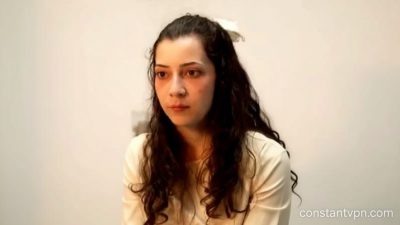
She spent 20 months battling to die under a euthanasia law. On Thursday, Spain let her
EDITOR’S NOTE: This story involves discussion about suicide that some readers may find upsetting. If you feel you are in crisis, call or text 988 to reach the 24-hour Suicide Crisis Lifeline.
A Life Shaped by Suffering
Noelia Castillo’s journey to ending her life was defined by relentless pain—both physical and emotional. At 25, she made her final choice under Spain’s euthanasia law, which had been in effect since June 2021. Days before her death, she told Antena 3, a Spanish news channel, “I want to leave in peace already and stop suffering, period.”
The Roots of Her Struggle
Castillo’s decision stemmed from a turbulent childhood marked by her parents’ separation at age 13. She later faced mental health challenges, including diagnoses of Obsessive-Compulsive Disorder and Borderline Personality Disorder. Emotional turmoil compounded by three episodes of sexual abuse—allegedly involving an ex-partner, two men in a nightclub, and three young men in a bar—contributed to her despair. She said she never reported the incidents.
The Turning Point
In October 2022, following the second abuse, Castillo attempted suicide. Though she survived, the act left her paraplegic and dependent on a wheelchair. “Sleeping is very difficult for me, and besides that, I have back and leg pain,” she explained, highlighting the physical toll. But she also spoke of the emotional weight: “My world was very dark … I had no goals, no objectives, nothing.”
A Legal Journey Through Five Levels
Castillo’s request for euthanasia was approved on July 18, 2024, by the Catalonia Guarantee and Evaluation Commission. The body determined her condition met the legal criteria for assisted death, including “severe dependence, pain, and chronic, disabling suffering.” Yet her father, influenced by the conservative Christian Lawyers group, launched a legal challenge to block the process. The fight moved through five judicial stages: Barcelona court, Catalonia’s High Court, Spain’s Supreme Court, the Constitutional Court, and the European Court of Human Rights.
Castillo reflected on her father’s stance, acknowledging his concern: “I understand he’s a father, that he doesn’t want to lose a daughter.” However, she felt disconnected, questioning his motives. “He ignores me. So why does he want me alive? To keep me in a hospital?”
The Final Moments
Castillo’s battle culminated in her euthanasia at Sant Pere de Ribes hospital. In her final hours, she requested solitude, saying, “I don’t want anyone inside” her room. “I don’t want them to see me close my eyes,” she added, underscoring her desire for quiet peace.
“I can’t take this family anymore, I can’t take the pain anymore, I can’t take everything that torments me in my head.”
The case stirred national debate, with supporters and critics voicing their perspectives. Castillo’s story became a symbol of the ethical dilemmas surrounding assisted death, especially in a country where the law is still evolving.
