Author: Patricia Martin – constantvpn.com

  • Sir Billy Boston – ‘the world-class athlete, whose story deserved to be told’

    Sir Billy Boston – ‘the world-class athlete, whose story deserved to be told’

    Sir Billy Boston: Rugby League’s Knighted Legend

    Constantvpn.com – When Sir Billy Boston received his knighthood in 2025, rugby league witnessed a first: a hero of the northern code formally recognised by the Crown. Nearly every chapter of his decorated career unfolded at Wigan, and the honour was a long-overdue acknowledgment of a world-class athlete whose story had always deserved to be told.

    A Career Forged in Cardiff, Perfected in Wigan

    Born and raised in Cardiff’s Tiger Bay district, the future legend learned his craft on the streets and through the Cardiff International Athletic Club. Like many Welsh lads of his generation, he dreamed of representing Cardiff RFC and eventually the national side. Those paths were blocked, however, forcing him to trial at Neath and Pontypridd before military service carried him north.

    League scouts found him there. Wigan persuaded the young man to turn professional in 1953, ending any lingering union ambitions in an era when liaising with league personnel could trigger “sine die” penalties. The financial shift was seismic—£3,000 could buy a house at the time—and his adaptation to the new code was immediate, scoring with his very first touch in a first-team fixture.

    Quick, explosive, and possessed of a fend that former player and BBC commentator Ray French likened to “being hit in the face with a shovel,” Boston became a blur of speed and power across the sport’s grandest stages. Whether bursting over for a try in cherry-and-white hoops at Wembley or dismantling Australian defences at Sydney Cricket Ground, the sepia footage and slow-shutter cameras of the era could never fully capture his brilliance.

    He scored 478 tries in 488 games for Wigan, and his feats were passed down through generations at what is now the Brick Community Stadium. On the international stage, Great Britain granted him the recognition Wales had withheld. His maiden tour in 1954, captained by fellow Welshman Dickie Williams, produced 36 tries that dazzled both Australia and New Zealand.

    Legacy Beyond the Game

    Statues mark his passage through three cities. His name was selected as one of just five to grace Wembley’s Challenge Cup monument; Cardiff cast a three-man tribute alongside Clive Sullivan and Gus Risman; and Wigan, where his legend truly took shape, immortalised him in bronze. In post-war Britain, a black athlete becoming a universally adored figure carried a powerful message about communities adjusting to a more diverse world. Contemporaries such as Roy Francis, Johnny Freeman, and Colin Dixon carved out their own reputations, yet none sprinkled quite the same stardust.

    His influence rippled forward: Ellery Hanley and Martin Offiah later charmed the public with similar gifts, while modern talents like Junior Nsemba and Kai Pearce-Paul continue to stand out in a sport that has broken down barriers for decades. Boston’s effect was uniquely unifying in a normally tribal community. Revered naturally in Wigan, he drew no boo or jeer anywhere—not even at sworn rivals St Helens, who appreciated a great footballer when they saw one.

    “There was a poignancy that Sir Billy departed soon after her.” — on the passing of Lady Joan, his wife, weeks before his own death.

    Right up until his final season, he remained a regular visitor to Wigan matches. Cameras would find him in the stands, the crowd would erupt, and a quiet smile would cross his face. At the game against Wakefield last week, a photograph of him beside Lady Joan—seated with flowers in her place—sat in the stand. His seat will always be reserved, and he will be dearly missed but never forgotten.

    Frequently Asked Questions

    When was Boston knighted? He received his knighthood in 2025, becoming the first rugby league player to receive such an honour.

    How many tries did he score for Wigan? He finished with 478 tries in 488 appearances for the club.

    Where was he born? In the Tiger Bay district of Cardiff, Wales, where he also attended the Cardiff International Athletic Club before turning professional.

    What is his international record? He scored 36 tries on Great Britain’s 1954 tour of Australia and New Zealand, captained by Dickie Williams.
  • Prince Harry steps down from African wildlife charity board

    Prince Harry steps down from African wildlife charity board

    Duke of Sussex Exits African Parks Board as Family Prepares Return to Britain

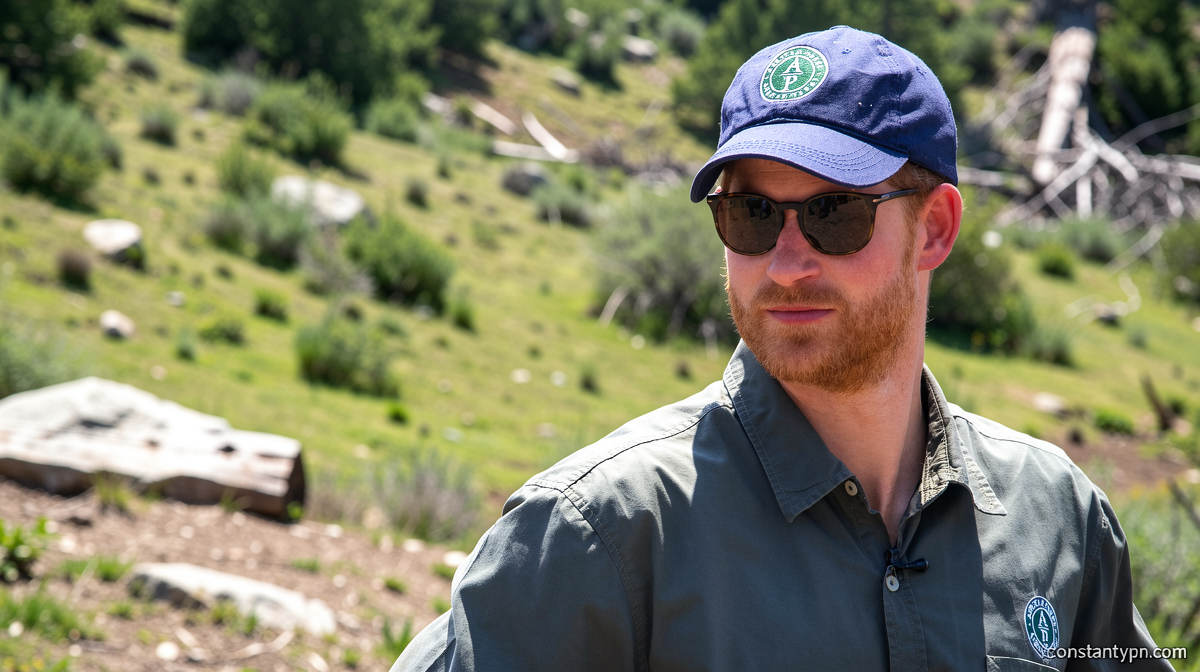
    Constantvpn.com – Prince Harry has formally withdrawn from the board of directors of African Parks, a continent-wide conservation organisation managing protected landscapes across twelve nations. The departure marks the end of a decade-long association that began when the Duke served as president of the charity for six years before transitioning to a board seat in 2023. A spokesperson confirmed the step-down while emphasising that Harry’s personal commitment to African conservation remains intact.

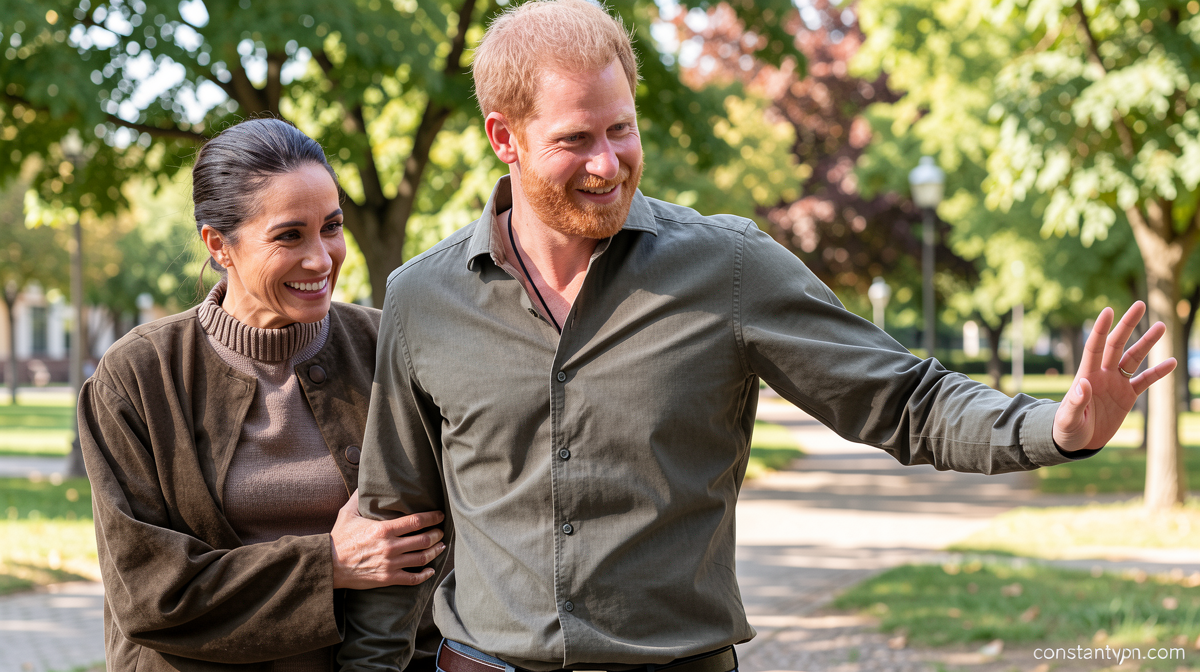
    The timing of the announcement coincides with the Sussexes’ imminent relocation from California back to the United Kingdom. Prince Harry, his wife Meghan, Duchess of Sussex, and their two young children — Prince Archie and Princess Lilibet — are expected to complete their move this month, with the children set to enrol at a British school in September.

    A Decade of Conservation Involvement

    Harry’s tenure with African Parks spanned roughly ten years, during which he became closely associated with several high-profile wildlife initiatives. Most notably, he participated as part of an expert team that helped execute the first phase of the 500 Elephants project — described by the organisation as one of the largest and most consequential elephant translocations in conservation history. The operation involved moving elephants from a park in Malawi into regions where decades of poaching had decimated local populations. Harry himself called the experience of helping relocate the animals to safer habitats “amazing.”

    In a statement issued alongside the resignation, the Duke’s representative framed the decision as a matter of institutional evolution rather than personal disillusionment:

    “The Duke is proud of his 10 years with African Parks and fully supports the ongoing strengthening of its board. His commitment to conservation in Africa continues, and he remains a supporter of African Parks’ mission.”

    Human Rights Findings and Governance Overhaul

    The board departure follows a period of significant scrutiny for the charity. In 2024, African Parks acknowledged that its rangers stationed in Congo-Brazzaville had committed human rights abuses against indigenous communities. An independent investigation examined allegations that guards employed and compensated by the organisation had beaten, raped, and tortured local residents within the boundaries of Odzala-Kokoua National Park.

    In response, the charity stated in 2025 that it had overhauled its safeguarding procedures both at the park level and across its institutional framework. Alongside the governance changes, the organisation announced a “governance refresh of its board of directors” and extended thanks to Prince Harry for his years of association, noting that he had “brought global attention to the urgent need for biodiversity protection for the benefit of people and wildlife, and has contributed greatly to promoting philanthropy for the cause of conservation in Africa.”

    “The duke remains deeply committed to this cause, and remains a strong supporter of African Parks’ work.”

    Scope of the Organisation

    African Parks operates approximately twenty national parks and protected areas spread across twelve African countries. Its mandate encompasses anti-poaching patrols, habitat restoration, community development programmes, and species recovery efforts. The charity’s work places it at the intersection of biodiversity conservation and the livelihoods of indigenous populations living near or within protected zones — a dynamic that became central to the human rights allegations now resolved through institutional reform.

    The Sussexes’ Return and Unresolved Questions

    The family’s departure from California and return to Britain has reignited public interest in the couple’s post-royal life. In early 2020, Harry and Meghan stepped back from royal duties and left the United Kingdom, settling in California by March of that year. Their return now raises practical questions that remain unanswered.

    Security arrangements are among the most pressing. Last year, Prince Harry lost a legal challenge concerning the level of protection he and his family are entitled to while on British soil. What provisions will be made upon their arrival this month has not been clarified. The couple’s broader plans while resident in the UK are likewise opaque.

    One thread of activity has emerged: Meghan is reportedly in discussions to resume acting through a role in the Netflix series The Gentlemen, which would represent her first significant screen appearance since her marriage to Prince Harry in 2018.

    No change to the couple’s official status is anticipated. They will continue to operate as private individuals rather than working members of the royal household. Their re-entry into British public life, however, is expected to draw sustained media attention and renewed debate over the boundaries between royal privilege and private autonomy — questions that have followed the Sussexes since their initial departure from the palace system more than five years ago.

    Frequently Asked Questions

    What is Prince Harry steps down from African?

    Prince Harry steps down from African is the main topic of this guide. The article explains the context, practical details, and next steps readers should understand.

    Why does Prince Harry steps down from African matter?

    Prince Harry steps down from African matters because readers are looking for a useful answer, not just a short summary. Good content should match search intent and help them decide what to do next.

  • Briton fighting for Russia killed in Ukraine

    Briton fighting for Russia killed in Ukraine

    Briton Fighting for Russia Killed in Ukraine: Bradley Townsend’s Death in Donetsk

    Constantvpn.com – A Briton fighting for Russia killed in Ukraine’s eastern Donetsk region has become the first British citizen confirmed dead while serving on Moscow’s side of the war. Bradley Townsend, 33, from Barnsley in South Yorkshire, died on 10 June following what is described as a strike by a remote-controlled FPV drone. His death marks a grim milestone in a conflict that has already claimed numerous British lives, though all previously reported fatalities had been on Ukraine’s side.

    Townsend departed his home in April after telling family members he was travelling to Romania. According to the Yorkshire Post, he did not disclose his true destination. The Foreign, Commonwealth & Development Office (FCDO) confirmed awareness of reports that a British national had died in Ukraine and said it was in contact with his family. The announcement came as UK prime minister Andy Burnham arrived in Kyiv for his first foreign trip, timed to coincide with the 35th anniversary of Ukraine’s independence from the Soviet Union. During the visit, the government agreed to hand over blueprints for British-made components of the Scalp missile — a French variant of the UK’s Storm Shadow cruise missile — enabling Ukraine to produce the weapon domestically. Burnham pledged to maintain pressure on Russia despite what he called “outrageous threats.”

    From Yorkshire to the Donbas: How Townsend Chose Russia’s Side

    In a recruitment video uploaded to a Russian account on 4 April, Townsend appeared alongside Ben Stimson of Oldham and Aiden Minnis of Wiltshire. Both men had been granted Russian citizenship for fighting in the occupied Donbas region. Filmed by Stimson, with Minnis conducting the interview, Townsend described himself as “a normal working-class lad from Yorkshire” and spoke candidly about the risks he accepted.

    “I came with the idea that I probably won’t be able to go home, definitely get persecuted if I went back,” he said. “I’m not here for a suicide mission, but I understand that’s what can happen.”

    Stimson, who was jailed in the UK in 2015 after joining pro-Russian separatists in eastern Ukraine, and Minnis are believed to be the first British nationals to fight for Vladimir Putin since the full-scale invasion began in February 2022. Minnis announced Townsend’s death on social media, using the Yorkshireman’s call sign, “Badger.”

    FCDO Guidance and Broader Context

    The FCDO advises against all travel to Russia and warns that its ability to provide consular support in such circumstances is “severely limited.” Its Ukraine travel advice adds that travelling to the country to fight or assist those engaged in the war may constitute offences under UK legislation, with the possibility of prosecution on return. Townsend is thought to be the second person from Yorkshire to die in the conflict; 18-year-old James Wilton of Huddersfield, West Yorkshire, was killed in 2024 after volunteering to fight for Ukraine.

    Frequently Asked Questions

    Who was the Briton fighting for Russia killed in Ukraine? Bradley Townsend, a 33-year-old from Barnsley, South Yorkshire, died on 10 June in the Donetsk region after an FPV drone attack. He is believed to be the first British citizen killed while fighting for Russia in the war.

    What does the FCDO advise British nationals travelling to fight in Ukraine or Russia? The department warns against all travel to Russia and cautions that travelling to Ukraine to fight may amount to offences under UK law. Consular support in these situations is described as severely limited, and prosecution on return is possible.

    Were there other British nationals fighting alongside Russia? Yes. Ben Stimson (Oldham) and Aiden Minnis (Wiltshire) were granted Russian citizenship for service in the occupied Donbas and are considered the first British fighters on Putin’s side since February 2022.

  • Charity? Acting? The Cotswolds? What will Harry and Meghan’s UK life look like?

    Charity? Acting? The Cotswolds? What will Harry and Meghan’s UK life look like?

    Harry and Meghan’s UK Life: Charity, Acting, the Cotswolds

    Constantvpn.com – What shape will the Sussexes’ new chapter take once they swap a California zip code for a southern-English postcode? The answer, pieced together from confirmed schedules, early-stage negotiations, and years of quiet ambition, points toward three intertwined pursuits: charity work rooted in military welfare, a possible return to acting, and a low-profile domestic base in the Cotswolds. The relocation, locked in after months of speculation, represents the sharpest turn in the couple’s post-palace trajectory since they stepped back from senior royal duties in 2020.

    A Cotswolds Home: Familiar Ground, Deliberate Distance

    The intended address sits in the honey-stone village belt that crosses Gloucestershire, Oxfordshire, and Wiltshire. The connection is neither accidental nor recent. Harry and Meghan rented a property in the area during the final months before Meghan’s 2018 wedding, and both count friends among local residents. The region delivers a degree of seclusion that London simply cannot, while staying within a manageable drive of the capital for professional obligations.

    Unconfirmed reports that the couple sought settling-in advice from former Spice Girl Geri Horner and her husband, ex-defence secretary Christian Horner, were dismissed by the Sussexes’ office. Whether or not that particular channel was opened, the area’s pull is easy to read: good schools, a landscape long favoured by those seeking distance from Westminster’s glare, and a community that does not revolve around headlines.

    Military Charity Engagements and the Road Ahead

    Before boarding the flight home, Harry completed a tightly packed run of military-welfare visits across the United States. In Washington, DC, he sat with veterans and their families and toured Walter Reed National Military Medical Centre, the principal hospital treating wounded servicemen and women. At Arlington National Cemetery he walked among the headstones of personnel killed in Iraq and Afghanistan — theatres in which he himself served on two operational tours.

    One visit carried particular weight. At the grave of Sergeant Michael Verardo, who died last year from complications linked to injuries sustained in Afghanistan in 2010, Harry met Verardo’s widow Sarah and their nine-year-old daughter, Elizabeth. Sarah, who now supports other military families, recalled the moment:

    “All my daughter knows about princes or princesses is probably contained to a movie… she whispered to me and said, ‘Where is his crown? Did he leave it in the car?’”

    She added that the encounter gave her young daughter “bits of sparkle… in a very hard experience,” a phrase she said meant a great deal personally. The episode encapsulates the intimate, low-media-footprint work Harry intends to scale up once based in Britain. Concrete engagements are already pencilled in: toward the end of September he is expected to attend the WellChild Awards in London, recognising the courage of seriously ill children, which he has supported for years. Looking further ahead, the Invictus Games for wounded service personnel are scheduled for Birmingham next July. Organisers have expressed hope that King Charles, in his capacity as head of the Armed Forces, will officially open the event — a scenario that would place father and son in the same public space for the first time in several years. That remains an aspiration rather than a confirmed plan, but the symbolic resonance is unmistakable.

    Meghan’s Screen Comeback: Timing and the Netflix Question

    For Meghan, the question dominating industry chatter is whether she will return to acting. The most persistent rumour ties her to the next series of The Gentlemen, the Netflix comedy created by British director Guy Ritchie. The show centres on a duke who becomes a drug baron and is filmed largely in the Cotswolds — a geographic coincidence that has fuelled speculation. Talks are described as being in early stages, and filming for the third series is understood to be imminent, yet Netflix has offered no comment on casting. The absence of confirmation leaves the door open for a former working royal with a pre-2018 acting résumé to slip into a role.

    Meghan herself has not ruled out a return. Speaking in June last year to British businesswoman and podcaster Emma Grede about her Netflix lifestyle series With Love, Meghan, she was asked whether she missed the craft side of her career. Her answer was measured but telling:

    “Sometimes. Being back on set with With Love, Meghan was great because I realised how much I miss my crew. I love being around a crew.”

    FAQ: Practical Questions About the Sussexes’ UK Move

    Where exactly will Harry and Meghan live?

    The family’s intended home is believed to be in the Cotswolds region, though no specific village or postcode has been publicly confirmed. The area spans parts of Gloucestershire, Oxfordshire, and Wiltshire.

    When is the move expected to take place?

    The relocation was confirmed after months of speculation and is understood to happen within days of the announcement. Harry completed his final American military-charity engagements before departure.

    Will Meghan resume acting?

    No casting decision has been confirmed. Rumours link her to The Gentlemen (Netflix), but talks are described as early-stage and Netflix has not commented. Meghan has said she misses being around a film crew but has not committed to a specific project.

    What charity work is already scheduled?

    Harry is expected to attend the WellChild Awards in London toward the end of September. The Invictus Games in Birmingham are scheduled for next July, with organisers hoping King Charles will open the event.

  • China probes use of formaldehyde to keep cabbages fresh

    China probes use of formaldehyde to keep cabbages fresh

    Formaldehyde Soak Exposed in China’s Cabbage Supply Chain

    Constantvpn.com – Regulators in northeastern China have opened a formal probe after video footage surfaced showing workers submerging heads of cabbage in a formaldehyde solution before loading the produce onto transport trucks. The investigation, confirmed by authorities in Hebei province, follows the circulation of the clip by an environmental blogger who first shared it online the previous week. Officials stated they had verified the authenticity of the recording before launching their inquiry.

    The chemical at the centre of the controversy is formaldehyde — a colourless, pungent compound long used in industrial settings as a preservative and disinfectant. Its application to food intended for human consumption is strictly forbidden under Chinese regulations. The substance has been classified as a carcinogen, and while the American Cancer Society notes that workplace exposure to relatively high concentrations has been linked to certain cancers in humans, the health effects of small, intermittent dietary exposures remain less well established. That distinction, however, does little to soften public alarm when the chemical is found in a vegetable meant to sit on a dinner plate.

    Scale of China’s Cabbage Industry

    The stakes of the incident are magnified by the sheer volume of produce involved. China cultivates well over 30 million tonnes of cabbage annually, accounting for nearly half of the global annual total. The country is, by a wide margin, the world’s largest producer of the vegetable. A substantial share of that output flows across borders: Vietnam, South Korea, and Russia rank among the principal export destinations. Any contamination event touching the supply chain therefore carries implications not only for domestic consumers but also for trade partners that rely on Chinese produce imports.

    Official Response and Market Checks

    State media confirmed that police have taken legal action against the individuals captured on camera. Beyond the immediate prosecutions, authorities have moved to conduct spot inspections at markets throughout the country in an effort to contain public anxiety and rebuild consumer confidence. Investigators are also tasked with determining how widespread the dipping practice may have been and with tracing affected batches of vegetables back to their points of origin.

    Local authorities in Kangbao county, where the footage was filmed, issued a written statement on Saturday addressing the public directly:

    “Any illegal or non-compliant practices discovered will be dealt with strictly in accordance with the law to ensure the safety of the vegetable supply.”

    In Beijing, Xinfadi market — one of the capital’s principal wholesale hubs for fresh produce — released its own statement asserting that it had traced the provenance of its cabbage deliveries and confirmed that none of the tainted vegetables had entered its trading floors. The market’s intervention was aimed at pre-empting a secondary wave of panic among retailers and shoppers who source daily stock from the facility.

    Editorial Backlash and Moral Framing

    The episode has drawn intense media attention across Chinese outlets. An editorial in the People’s Daily took aim at the commercial actors involved, framing the lapse not merely as a regulatory failure but as a moral one:

    “The wholesalers focused solely on their immediate economic interests while completely disregarding the lives and health of consumers. [They] crossed a legal red line and breached the moral bottom line.”

    The editorial’s language echoes a recurring pattern in Chinese food-safety discourse, where high-profile contamination events are routinely cast as betrayals of social trust rather than isolated technical errors. The phrasing signals that regulators expect the public to see the response as punitive and comprehensive, not merely procedural.

    Why Formaldehyde in Produce Matters

    Formaldehyde functions as an antimicrobial and cross-linking agent. In industrial contexts it appears in resins, embalming fluids, and laboratory fixatives. Its use as a food preservative was common in earlier decades but has been phased out in most regulated markets because of its carcinogenicity profile and its tendency to impart an unpleasant odour and taste at detectable concentrations. When applied to leafy vegetables, the chemical can penetrate the outer leaves and, in theory, migrate into the edible interior if the produce is stored for extended periods.

    For consumers, the practical takeaway is straightforward: cabbage, like most leafy greens, is best washed thoroughly under running water before preparation. Yet the deeper concern raised by this incident is one of systemic oversight. A dipping operation large enough to load trucks implies a commercial operation, not a one-off kitchen experiment. The question now under investigation is whether such operations exist elsewhere in the supply chain, and whether existing inspection regimes caught them before they reached retail shelves.

    As spot checks continue across provincial markets and investigators work to map the geographic spread of the practice, the episode is likely to feed into ongoing debates about the adequacy of China’s food-safety inspection infrastructure. With tens of millions of tonnes of cabbage moving through domestic and export channels every year, even a small fraction of contaminated product represents a substantial public-health exposure question — one that regulators now say they intend to answer before the next harvest cycle begins.

    Frequently Asked Questions

    What is China probes use of formaldehyde to keep?

    China probes use of formaldehyde to keep is the main topic of this guide. The article explains the context, practical details, and next steps readers should understand.

    Why does China probes use of formaldehyde to keep matter?

    China probes use of formaldehyde to keep matters because readers are looking for a useful answer, not just a short summary. Good content should match search intent and help them decide what to do next.

  • Divorce, smartphones and control – BBC sees how Taliban run Afghanistan

    Divorce, smartphones and control – BBC sees how Taliban run Afghanistan

    Inside the Taliban’s Northern Courts: A Divorce Petition Exposes the Machinery of Control

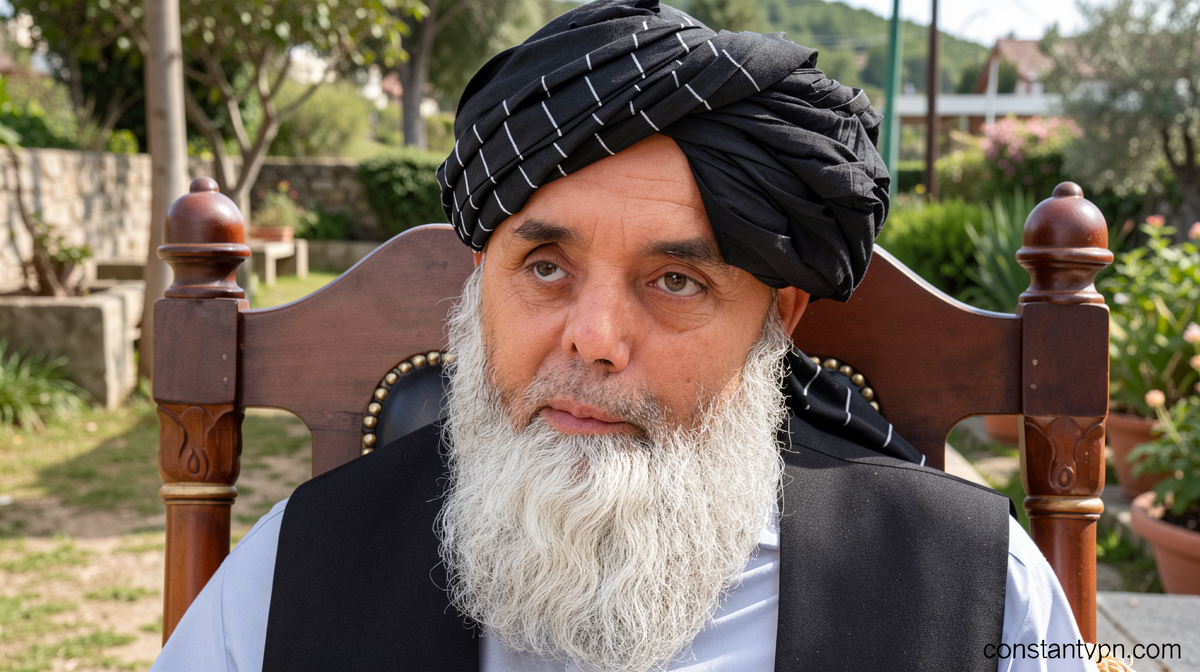
    Constantvpn.com – In the offices of Sheberghan city, capital of Jawzjan province in northern Afghanistan, an eighteen-year-old woman stands before the provincial governor and demands her freedom from a marriage she says has been defined by months of physical abuse. Her face is entirely concealed behind a full-face veil and dark sunglasses. Her voice, however, is steady. She has made up her mind, and no amount of persuasion from the grey-bearded former Taliban commander seated across from her will alter that decision.

    The scene, captured over two years of embedded reporting by the BBC, offers an unfiltered window into how the Taliban govern at the local level — five years after they toppled the US-backed government in August 2021 and restored what they call an Islamic emirate. What unfolds in that Jawzjan office is not merely a family dispute. It is a microcosm of a system in which women have been systematically stripped of education, employment, mobility, and legal autonomy.

    The Petitioner and the Governor

    The woman, identified only as Tuba to protect her privacy, accuses her husband of sustained beatings. Under the Taliban’s interpretation of Sharia, a wife seeking divorce must typically return some or all of the financial gifts her husband provided at the time of marriage. A settlement is negotiated. In Tuba’s case, her husband demands four times the customary amount. Her family refuses.

    Governor Abdullah Sarhadi, who once commanded Taliban forces during the movement’s first period of rule in the 1990s, attempts to talk her out of the petition. He urges compromise, warning that a divorced woman will find remarriage difficult and that her social standing will suffer.

    “Ask yourself: ‘Who would marry me after I get my divorce?’ You’ll have to compromise a lot or you’ll lose your dignity and honour.”

    Tuba’s reply is immediate and unflinching:

    “Mr Governor, my honour and dignity have already been ruined.”

    Her husband, seated nearby, waits his turn to speak. The governor ultimately instructs that the woman be given her own room and that officials will warn the husband not to strike her again — adding that failure to comply would result in his being jailed. Tuba’s father, dissatisfied with the outcome, later states the family intends to pursue the divorce through the formal court system, despite the well-known difficulty women face in obtaining a divorce without their husband’s consent under the Taliban’s judiciary.

    A Governor’s Past and Present

    Sarhadi’s biography is itself a compressed history of the conflict. During the Taliban’s first rule in the 1990s, he served as a military commander in Bamiyan province — the same province home to the colossal ancient Buddha statues that the Taliban dynamited in 2001, provoking global outrage. When the US-led coalition invaded in late 2001, Sarhadi was among thousands of insurgents who surrendered. He spent several years in US detention at Guantanamo Bay before eventual release.

    Upon the Taliban’s return to power in 2021, he was appointed governor of Bamiyan and subsequently of Jawzjan. By the time of the late-June encounter described here, he had also taken on the role of deputy commander of a military corps in the northern province of Kunduz.

    After the divorce exchange, Sarhadi makes a remark that draws laughter from the male officials, bodyguards, and village elders gathered in the room: he describes women as “mindless” and “deficient in intellect.” The comment lands without correction or rebuke.

    Smartphones, Statues, and the Question of Change

    Later in the same office, Sarhadi taps an old-style mobile phone with a tiny screen and complains that a recent Taliban ban on smartphones for officials has slowed administrative work. He recalls being able to send quick messages, transmit documents, and receive answers rapidly. If he says anything further about the ban, he notes, “it will cause trouble.”

    Asked about the destruction of the Bamiyan Buddhas — an act that defined the Taliban’s first era for much of the world — Sarhadi initially deflects. Eventually he acknowledges responsibility, stating plainly that he destroyed the statues. His worldview, in other respects, appears largely continuous with the hard-line reading of Islamic religious law the movement imposed in the 1990s.

    Five Years of Exclusion

    The divorce petition is one thread in a broader pattern. Since 2021, Afghan women have been barred from secondary schools, excluded from most workplaces, denied university access, prohibited from travelling alone, and kept from parks and leisure centres. The BBC’s two-year reporting effort, which included time spent with men who once planned suicide attacks or lived for years in underground hideouts before becoming officials and soldiers, found a consistent tension: these men wished to project reasonableness yet showed little appetite for discussing the violence of their past. Unease between rulers and ruled surfaced repeatedly.

    Afghan women interviewed over the same period describe lives rendered unrecognisable by five years of Taliban governance. The eighteen-year-old in the Jawzjan office, veiled and sunglasses-shielded, arguing calmly for her own body and her own future, embodies both the constraint and the quiet defiance that now define daily existence under the movement’s rule.

    Frequently Asked Questions

    What is Divorce smartphones and control?

    Divorce smartphones and control is the main topic of this guide. The article explains the context, practical details, and next steps readers should understand.

    Why does Divorce smartphones and control matter?

    Divorce smartphones and control matters because readers are looking for a useful answer, not just a short summary. Good content should match search intent and help them decide what to do next.

  • PCs killed in A66 crash were heroes, say families

    PCs killed in A66 crash were heroes, say families

    Two Officers Lost Their Lives Protecting the Public on a North-East Motorway

    Constantvpn.com – The families of two Cleveland Police constables have spoken of their grief and pride after both men were killed in a high-speed collision on the A66 near Middlesbrough. PC Tom Clough, aged 38, and PC Matthew Blades, 37, were travelling in a marked armed response vehicle when a Volkswagen Passat travelling in the wrong direction on the dual carriageway struck them. The impact was fatal for all occupants of both vehicles.

    The crash occurred on Saturday and claimed the lives of five additional people inside the Passat: Michael Robert Cahill, 23; Jacob Matusiak, 23; Theo Rae, 17; Makai Saddington, 18; and Cole Robert Worthy, 17. All seven individuals died at the scene.

    Families Speak of Devotion and Sacrifice

    In statements released through Cleveland Police, PC Blades’ wife described a man whose love for his family transcended language. She called him a “beloved husband” and the “most devoted father” to their two young sons, saying they would grow up knowing what an “incredible” dad he had been.

    “He gave his life in the line of duty, protecting and serving others with courage, dedication and selflessness. The pain of losing him is beyond words, and our lives will never be the same. Neither will the love he gave us ever fade. He may have left this world committed to the duty he believed in, but his greatest legacy will always be the love he gave to his family.”

    She closed her tribute with the words: “Forever loved. Forever missed. Forever our superhero. Our Matt and Dad.”

    PC Clough’s relatives painted a picture of a man defined by humour and selflessness. They described his “fantastic sense of humour” and his readiness to jump “into action whenever needed.” The family said he had been their “hero,” always “willing to help anyone for any reason,” and noted that he had “proudly fought for his country to make the world a better place” while remaining “on public duty throughout his short life.”

    A man who had known PC Clough posted on social media that the officer had been a “true friend, fantastic soldier and I have no doubt even better police officer.”

    Community Tributes Span Football Pitches and Classrooms

    PC Blades had recently taken up a coaching role at Seaton Carew FC, preparing for his first season with the club’s under-sevens squad. The club described him and his family as “much loved members” of its community. Separately, FC Hartlepool, where he had coached an under-10s team, remembered him as a “role model, mentor [and] friend” whom the children had “looked up to and admired.” The club added that “his kindness, patience, and infectious personality made him loved by all who had the privilege of knowing him.”

    Before entering policing, PC Blades taught English at Carmel College in Darlington. The school recalled him as an “intelligent, kind and approachable teacher” who “gave generously of himself to the young people in his care.”

    Investigation Reveals Details of the Final Minutes

    The Independent Office for Police Conduct (IOPC), which has opened an investigation into the collision, confirmed that the two officers were in the area to assist in a search for the Passat. Cleveland Police had received reports linking the vehicle to “numerous incidents.” The car was believed to be displaying cloned registration plates, which triggered an automatic number-plate recognition camera and alerted officers to its presence.

    According to the IOPC, officers pursued the vehicle for almost seven minutes before the Passat turned onto the A66 in the wrong direction. At that point, officers “aborted” the pursuit. The collision followed within seconds of that decision.

    Public Outpouring and Fundraising Response

    On Monday morning, more than £235,000 had been pledged through an online fundraiser organised by the Cleveland Police Federation. The federation stated that the two officers had “paid the ultimate sacrifice in the line of duty” and that they “leave behind heartbroken loved ones who will struggle to come to terms with the loss of their loved one.” The organisation said it would support the families “at this unfathomable moment,” with donations to be used “as they so wish.”

    Earlier that week, a group of serving officers gathered at the police cordon on Eston Road to lay floral tributes. Several removed their hats, bowed their heads, and observed a brief silence before speaking quietly to colleagues at the scene. Some embraced one another as they walked away.

    Local residents Elisia and Vincent Haarhoff also travelled to the crash site to show solidarity with the police force. “No family deserves that,” Elisia said. “God bless all the families, honestly. We wanted to come… [the police here have] always been so lovely.”

    The A66 is a major arterial route linking Teesside with the wider North-East network, and the wrong-way collision on a dual carriageway underscores the particular danger posed by drivers travelling against traffic flow at speed. The incident has prompted renewed public discussion about road safety on high-speed roads in the region, while the families of all seven victims continue to receive support from Cleveland Police and local communities.

    Frequently Asked Questions

    What is PCs killed in A66 crash were?

    PCs killed in A66 crash were is the main topic of this guide. The article explains the context, practical details, and next steps readers should understand.

    Why does PCs killed in A66 crash were matter?

    PCs killed in A66 crash were matters because readers are looking for a useful answer, not just a short summary. Good content should match search intent and help them decide what to do next.

  • Wicker Man director’s sons complete their late father’s film trilogy

    Wicker Man director’s sons complete their late father’s film trilogy

    A Decades-Long Cinematic Dream Finds Its Final Chapter at FrightFest

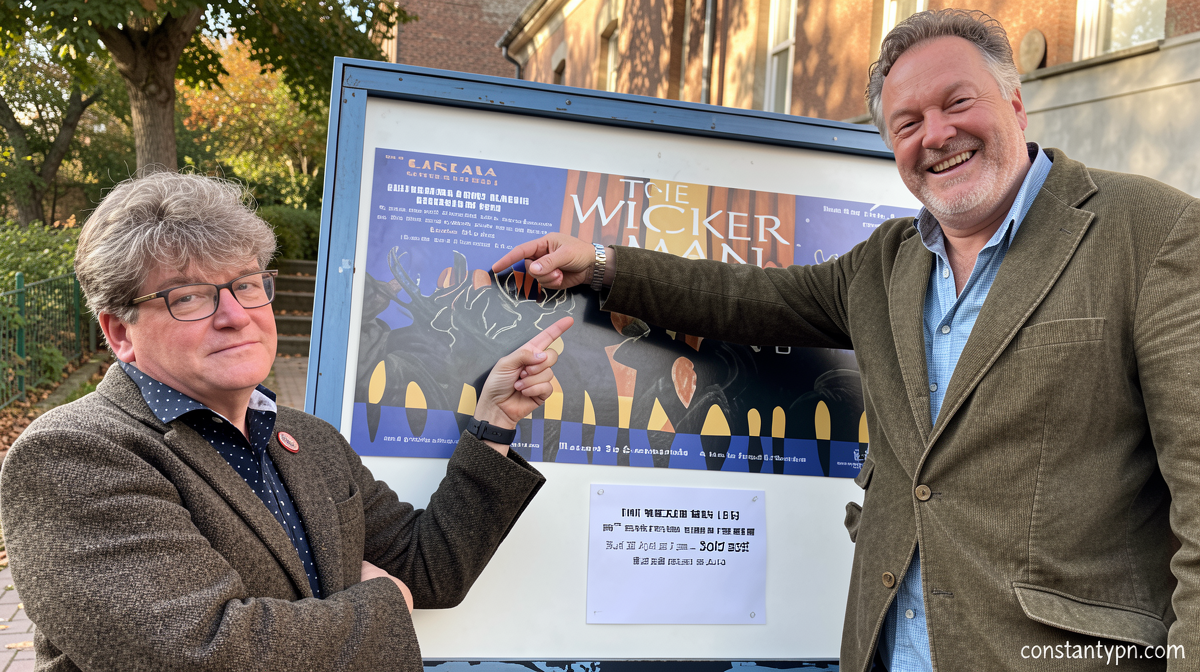
    Constantvpn.com – On a Friday evening in London, the FrightFest horror festival hosted the world premiere of Wrath of the Gods, a film that completes a trilogy its creator never lived to see finished. The project traces its origins to 1973, when Robin Hardy shot The Wicker Man, a folk-horror landmark that has haunted British cinema for over half a century. Hardy always conceived that first film as the opening instalment of a three-part saga. Two decades later, The Wicker Tree arrived in 2011, nudging the ambition forward. But Hardy’s death in 2016, at age 86, froze the project mid-arc — until now.

    His sons, Justin and Dominic, have spent years piecing together what their father left unfinished. The catalyst was an unexpected windfall: a cache of original material that had been sitting in an attic, gathering dust, for years unknown.

    Six Sacks in an Attic

    The chain of events began when the family home where Justin had grown up changed hands. The new owner, clearing out the property, stumbled upon six sacks stuffed with correspondence, screenplays, and production documents tied to Robin Hardy and the Wicker Man franchise.

    “The person who bought Justin’s old family home said they’d discovered six sacks of letters, scripts and other material pertaining to Robin Hardy and The Wicker Man in the attic,” Dominic recalls. “Justin’s first instinct was to burn them, but we couldn’t ignore this original source material. Although we left it unopened for six months or more.”

    Dominic, who holds a position as an art historian at the University of Quebec in Montreal, describes the hesitation as understandable. The archive was not merely a collection of paperwork; it was a window into a relationship complicated by grief, debt, and creative obsession. Once the brothers finally opened the sacks, they found storyboards, treatment documents, and — most critically — a completed screenplay for the trilogy’s intended finale.

    The Shadow of the Original Production

    Understanding why the archive carried such emotional weight requires looking back at how The Wicker Man itself was made. The film was shot during a period of acute crisis in the British film industry. Its financiers were stretched thin, and the cast — headlined by horror icon Christopher Lee — ultimately worked without pay to see the picture through to completion. The script called for a Hebridean island setting in spring, yet the actual shooting took place in Galloway, Scotland, through autumn into early winter.

    On release, the picture was largely buried as a second feature, overshadowed by the lead title. Competing edits circulated, and rumours persisted that chunks of footage had been literally buried inside the concrete support columns of a nearby motorway. Over time, however, the film’s reputation swelled. Lee himself ranked it among his finest screen work and one of his most powerful performances. Its lopsided tonality and a genuinely unsettling climax turned it into a touchstone for horror devotees. By the time the BBC launched its cult-cinema showcase Moviedrome in 1988, the only viable choice for opening night was a previously unseen edit of The Wicker Man.

    The Human Cost Behind the Camera

    The production’s financial chaos did not end at the wrap. The film bankrupted Hardy. He walked away from Justin’s mother, Caroline, leaving her to shoulder the debts. Over the following decades he married four additional times and fathered eight children in total, including Justin, Dominic, and their sister Arabella.

    The brothers have explored that tangled family history in a 2024 book and accompanying documentary titled Children Of The Wicker Man, examining how a single film shaped — and scarred — a household across generations.

    From an Icelandic Volcano to Shetland’s Skerries

    The newly surfaced archive also revealed how Hardy originally conceived the third film. Dominic recounts the origin:

    “He had had been in an airplane and had a turn because his heart medication wasn’t working. He had to land in Reykjavik and spend a week recuperating, and he came back with this idea of a theme park around an extinct volcano in Iceland where the Norse gods get upset and mayhem ensues.”

    Hardy subsequently decided the setting should shift from Iceland to Shetland, aligning the geography with the other two entries in the trilogy. Justin, an Emmy- and BAFTA-nominated director in his own right, took the seed idea and, together with Dominic, developed an entirely original narrative.

    The Story of Wrath of the Gods

    The new screenplay follows a young widow who returns to the island of Hel to lay her late husband to rest after his suicide. The community, steeped in old superstition, treats her as a living emblem of misfortune and drives her out. When children begin vanishing one by one, the islanders are compelled to reckon with their own layered, often suppressed history. Viking and Shetland mythology thread through the plot, giving the picture a mythic architecture distinct from the 1973 original while remaining faithful to the trilogy’s thematic DNA.

    Shooting on the Islands

    Principal photography commenced in Shetland in the spring of 2025. The two principal roles are carried by Francis Magee, known for work on Game of Thrones and Rose of Nevada, and Norwegian actress Christiane Schaldemose. Beyond those two leads, the remainder of the cast was drawn from local Shetland performers.

    Lynsey Rendall, who plays Magee’s on-screen wife Maeve, described the experience as a profound privilege:

    “It feels like a huge honour. The Wicker Man is such a famous film and has such an impact on popular culture so it was amazing to be part of that world.”

    John Haswell, a veteran of the theatre stage, called his role as the Reverend Knox a career highlight, underscoring how the project’s association with one of British horror’s most enduring titles lends it a gravity that extends well beyond genre fandom.

    For Justin and Dominic, the premiere at FrightFest marks more than a festival slot. It represents the closing of a loop their father opened fifty-two years ago on a windswept Scottish shore — a loop that survived bankruptcy, abandonment, death, and six sacks of forgotten paperwork in an attic. The trilogy, at last, is whole.

    Frequently Asked Questions

    What is Wicker Man director s sons complete?

    Wicker Man director s sons complete is the main topic of this guide. The article explains the context, practical details, and next steps readers should understand.

    Why does Wicker Man director s sons complete matter?

    Wicker Man director s sons complete matters because readers are looking for a useful answer, not just a short summary. Good content should match search intent and help them decide what to do next.

  • Did a goat herder’s lucky $200 nugget spark a gold rush in western Kenya?

    Did a goat herder’s lucky $200 nugget spark a gold rush in western Kenya?

    A Single Nugget and a Thousand Pits: How One Goat Herder’s Find Reshaped a Kenyan Village

    Constantvpn.com – What was once quiet bushland and rough grazing ground near the village of Cheporor in western Kenya now bears the scars of a frenzied gold rush: deep pits gouged into the earth, mounds of excavated soil, and makeshift camps where hundreds of people work side by side with hoes and shovels. At its peak, local authorities estimate roughly 10,000 prospectors descended on the area — men and women from across Kenya and neighbouring Uganda, drawn by rumours of a precious metal that could, even in small quantities, alter the trajectory of a precarious farming life.

    The spark, as far as villagers can trace it, was a three-gram gold nugget found by accident by a 33-year-old goat herder named Manasse Lomachar. Weeks ago he sold that small piece of metal for 36,000 Kenyan shillings (approximately $280 or £205). When word spread through the community, thousands began arriving. Lomachar himself says he would welcome the discovery’s consequences for his village, hoping the influx of activity will bring lasting improvement to daily life in an area long overlooked by formal development.

    How a Lost Goat Led to a Riverbed

    Lomachar insists the find was pure chance. He had been tracking down a missing goat when he stumbled upon a group of women panning along a seasonal riverbed. He joined them in the water, and it was there, among the silt and sand, that the nugget surfaced.

    “I joined them, and that’s how [the village] realised there was gold in this area,” he says.

    Women in the region have in fact been recovering small quantities of alluvial gold from that same river for years, typically earning between $8 and $23 per week — enough to supplement a household but rarely enough to transform one. What changed in early August, according to local officials, was the size of the finds.

    The Human Cost and the Human Hope

    For many of those who flocked to Cheporor, the motivation is not speculation but survival. Patrick Lokolia, a farmer and herder from the neighbouring village of Napawoi, arrived hoping to earn extra income to keep his children in school. Standing amid the mining activity in a faded Chelsea football shirt, he explained the pressure that drove him from his fields.

    “I have children in school, and paying school fees has been a big problem for me,” he says.

    Abigael Chelengat, an 18-year-old who travelled from a nearby district, had never mined before she came to Cheporor. Her goal was equally concrete: find enough gold to cover her own school fees and keep her younger siblings enrolled. Behind her, hundreds of workers hacked into rocky ground, while others carried excavated earth to the seasonal river where mostly women crouched in murky water, washing and sifting mud in search of a trace of the element.

    Mugisha Godfrey, an artisanal miner from Busia in eastern Uganda, heard about the discovery through a friend and immediately set out for Cheporor, spending roughly 100,000 Ugandan shillings (about $27) on transport. West Pokot county borders Uganda, and communities on both sides maintain long-standing social and family ties that make such cross-border movement routine. Yet Godfrey notes that living conditions in the mining camps are harsh.

    “We sleep under the trees, and when morning com[es]…”

    Official Accounts and the Question of Scale

    Samuel Kiarie, deputy commissioner of West Pokot county, believes the rush was triggered not by a single event but by two notable discoveries in quick succession.

    “Young men found what appeared to be a substantial amount of gold. The following day, women made another significant find in the same area,” he says.

    Kiarie acknowledges that as rumours spread, the size and frequency of the finds were likely exaggerated, drawing in ever-larger groups of people with little or no mining experience who hoped to replicate the reported early successes. Since the initial surge, the number of active prospectors has fallen to around 2,500 as some have abandoned the search.

    Small-scale gold traders told county officials they received an average of about 100 people per day offering material for purchase. Individual discoveries reportedly range from amounts worth a few hundred shillings to one find valued at approximately 78,000 shillings (around $600). Whether every sample presented was genuinely gold, however, remains unverified.

    What Remains Uncertain

    While there is little doubt that some gold exists in the Cheporor area, questions persist about the true size of the deposit and whether it holds any commercial potential beyond artisanal-scale recovery. The landscape now bears the marks of intensive manual excavation, yet no formal geological survey has been cited to confirm the extent of the ore body. For the thousands who arrived hoping to replicate Lomachar’s lucky afternoon, the answer may lie in the next handful of riverbed sediment — or in the slow, costly decision to walk home.

    Frequently Asked Questions

    What is Did a goat herder s lucky 200?

    Did a goat herder s lucky 200 is the main topic of this guide. The article explains the context, practical details, and next steps readers should understand.

    Why does Did a goat herder s lucky 200 matter?

    Did a goat herder s lucky 200 matters because readers are looking for a useful answer, not just a short summary. Good content should match search intent and help them decide what to do next.

  • The hotel booking mix-up that could free mushroom murderer

    The hotel booking mix-up that could free mushroom murderer

    A Table Tennis Tournament, a Shared Hotel, and the Fate of a Triple Murder Conviction

    Constantvpn.com – In the small Victorian towns of Gippsland, the summer of 2024 brought an unlikely collision of worlds: elite table tennis players chasing national championship medals, and a jury of twelve deliberating over one of Australia’s most closely watched criminal trials. The overlap, now at the centre of an appeal seeking to overturn three murder convictions, raises uncomfortable questions about how the justice system protects jurors when logistics run out.

    Erin Patterson, convicted of poisoning three relatives of her estranged husband at a lunch hosted at her Leongatha home in July 2023, is fighting to have her convictions set aside. Her barrister, Richard Edney, has framed the appeal around a single logistical failure: the sequestered jury spent at least one night in the same hotel as members of the prosecution team and the lead detective in the case.

    “The only proper remedy is… the order for a re-trial,” Edney said.

    The Lunch That Shook a Region

    To understand why the jury’s isolation mattered so much, one must first appreciate the scale of public attention the case generated. When Patterson served mushroom-laced food to three guests — killing them and gravely injuring a fourth — the quiet farming communities of Gippsland were thrust into an international spotlight almost overnight. Korumburra, where the victims had been well-known and deeply respected local figures, was engulfed in grief. Leongatha, Patterson’s home town, was seized by shock. Morwell, which hosted the lengthy trial, became a magnet for journalists, legal teams, and spectators from across the country.

    For roughly nine weeks of evidence, the courtroom in Morwell drew sustained media coverage. Residents described an environment in which you could not walk down a main street without encountering someone connected to the proceedings, or grab a coffee without overhearing whispered debate about the case. The trial judge, Justice Christopher Beale, recognised that this saturation made ordinary jury protection insufficient.

    Why Sequestration Was Ordered

    Australian jury rules are among the strictest in the common-law world. Jurors must consider only evidence presented in court and may discuss the case solely among themselves. Critically, those restrictions persist even after a trial concludes — conversation with outsiders about the matter is prohibited indefinitely. Given the intensity of local chatter, Justice Beale made the relatively uncommon decision to sequester the jury once deliberations began. They would reside in supervised accommodation, cut off from the outside world until a verdict was reached.

    The problem was practical. As the trial stretched longer than anyone projected, jury stays extended and available rooms in the region grew scarce. The week the jury finally retired to deliberate coincided, by what the appeal characterises as a stroke of terrible luck, with the national table tennis championships arriving in the same district. Accommodation that was already tight became effectively nonexistent.

    The Hotel Overlap

    At 08:28 on Monday 7 July, an email from the judge’s chambers landed in the inboxes of all counsel. It disclosed that Detective Senior Constable Stephen Eppingstall, who led the murder investigation and gave key testimony at trial, along with two prosecution solicitors, had been lodging at the same hotel as the sequestered jurors.

    The email noted mitigating details: the jury occupied an exclusive floor, took meals in a dedicated conference room away from other guests, and — according to the jury keeper who flagged the issue — had no interaction with prosecution personnel. Common areas such as the lobby were shared, but no contact was reported.

    “I understand that there is a shortage of accommodation in the district, but it is obviously undesirable,” Justice Beale wrote.

    Roughly two hours later, the prosecution replied. They acknowledged they had known about the shared lodging for several days. The detective, they said, “took steps to avoid common areas from the point that he became aware that [the jurors] were there.” When the prosecution first learned their team would overlap with the jury for a single night, they attempted to secure alternative rooms. Two solicitors could not be relocated, though the email stressed the pair also took measures to avoid any “incidental contact.”

    What the Appeal Argues

    Patterson’s legal team contends that this convergence — jury, prosecution witnesses, and media personnel under one roof during the most sensitive phase of the trial — “fatally undermined” the fairness of the proceedings. The argument is not that anyone said anything improper or that evidence was leaked. It is that the structural guarantee of juror isolation, which the judge himself deemed necessary given the community’s saturation with case-related conversation, was compromised by a booking failure no one anticipated.

    The broader implication touches a recurring tension in Australian criminal procedure: the gap between the ideal of a perfectly sealed jury and the reality of small-town infrastructure. Gippsland is not Melbourne. It does not have dozens of hotels within walking distance of a courthouse. When a trial of this magnitude draws national attention, and when an unrelated sporting event lands in the same week, the margins for error shrink to almost nothing.

    If the appeal succeeds, Patterson will face a new trial — years after the original verdict, in a community that has had time to heal and to form settled opinions. If it fails, the question of whether a single night’s shared lobby was enough to taint a nine-week trial will remain unanswered for the public, even as the legal machinery moves on. Either way, the table tennis tournament that brought hundreds of players to Gippsland last July will have done something no one expected: it may determine whether a woman convicted of three murders ever leaves prison.

    Frequently Asked Questions

    What is The hotel booking mix up that?

    The hotel booking mix up that is the main topic of this guide. The article explains the context, practical details, and next steps readers should understand.

    Why does The hotel booking mix up that matter?

    The hotel booking mix up that matters because readers are looking for a useful answer, not just a short summary. Good content should match search intent and help them decide what to do next.