‘We can’t take it anymore’: How Trump is pushing Cuba to the brink
‘We can’t take it anymore’: How Trump is pushing Cuba to the brink
A Cuban man leaned in close, his voice barely rising above a murmur as he shared his thoughts on a Havana street. “Let the Americans come, let Trump come, it’s time to get this over with,” he said, his words carrying a mix of resignation and defiance. This sentiment is risky in Cuba, where the specter of political unrest looms large, especially under a U.S. president who has revived Cold War-era threats with renewed intensity.
The man’s comment echoed the broader discontent among Cubans, who have endured decades of economic hardship. Since Fidel Castro’s revolution brought revolutionary fervor to Havana over six decades ago, the island has weathered failed CIA invasions, nuclear confrontations, and mass departures. Now, Donald Trump’s aggressive policies have intensified the pressure, threatening to tip the country into a new era of crisis.
The Trump Doctrine in Action
Trump’s declaration that “Cuba is going to fall soon” to CNN’s Dana Bash struck a sharp contrast with the measured rhetoric of previous U.S. leaders. His oil embargo, implemented with swift precision, has crippled Cuba’s already strained economy. In his second term, the administration has escalated efforts to destabilize Venezuela and Iran, but Cuba appears to be the next target. “The Cuban government is desperate to reach a deal,” Trump insists, yet officials on the island remain steadfast, rejecting the notion of U.S. dominance.
Isolation and Its Consequences
With no naval blockade to hinder trade, the impact of Trump’s actions feels more visceral. The oil supply, once a lifeline, has been curtailed by diplomatic pressure on Mexico and Venezuela. Havana’s government-built hotels, now standing empty, symbolize the economic toll. Employees are laid off, and tourists have dwindled, leaving the city eerily quiet. The once-thriving tourism sector has withered, as jet fuel runs out and planes cease to arrive.
A Nation in Darkness
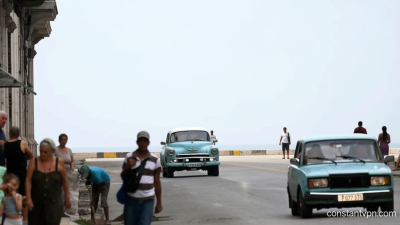
Blackouts, once temporary, have become daily struggles. During a recent 36-hour power outage, Cubans resorted to cooking over burning tree limbs on the sidewalks of main avenues. “We’ve returned to the Stone Age,” one man remarked, his tone oddly cheerful. Without fuel, traffic grinds to a halt, and the only vehicles on the road are T-Plate cars rented by tourists. These vehicles are siphoned for fuel, selling it at $300 per tank on the black market—a price exceeding most Cubans’ annual income.
Hope and Resignation
Despite the hardships, the Cuban government clings to its revolutionary slogans, insisting “The homeland or death. We will be victorious!” Yet, for many, the phrase has lost its urgency. Some citizens, weary and waiting for change, whisper of a future that may or may not arrive. When my cameraman finally reappears, I ask the taxi driver if he wishes to speak for the story. He walks away quickly, content to keep his frustrations quiet, at least for now.
