Cuba is going dark under US pressure. How the crisis unfolded and why its troubles are far from over
Cuba is going dark under US pressure. How the crisis unfolded and why its troubles are far from over
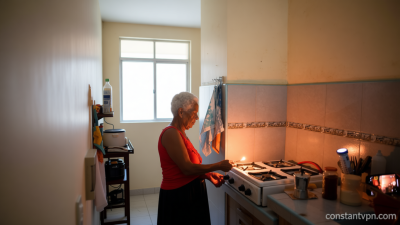
Three months into the US-imposed oil blockade, Cuba’s energy woes have reached a critical juncture. The nation’s infrastructure is struggling, with trash accumulation, delayed medical procedures, and frequent blackouts disrupting daily life. President Miguel Díaz-Canel highlighted the severity during a televised press conference, emphasizing the government’s efforts to mitigate the crisis while acknowledging its complexity.
The Crisis Unfolds
The US embargo, in place since 1960, has long hindered Cuba’s economic growth. A recent UN report underscored its toll, noting the island’s “trillions of dollars” in losses and stagnation in “overall human development.” Yet, the US has escalated its pressure, cutting off key oil sources to intensify the impact.
In January, the US disrupted Cuba’s primary oil supplier, Venezuela, following a military operation that ousted its leader. Subsequently, other nations like Mexico paused shipments after US threats of tariffs, citing Havana’s alignment with “hostile countries and malign actors” as a risk. Cuba’s reliance on oil for vehicles and electricity generation has worsened its chronic energy shortages, leading to prolonged power outages.
Since the oil cutoff, power interruptions have grown more frequent. Díaz-Canel reported that the country faced its first nationwide blackout in months, marking a turning point in the crisis. Meanwhile, water supply issues have emerged, with Antonio Rodríguez Rodríguez, head of the National Institute of Hydraulic Resources, noting efforts to adapt, such as solar panel installations, to ease dependence on the grid.
Impact on Essential Services
The fuel shortage is straining education, transportation, and healthcare. Díaz-Canel cited that “tens of thousands” of patients await operations due to insufficient electricity. In Havana, garbage trucks unable to operate have left streets littered with waste. Public transit has also been reduced, causing long queues and overcrowded buses.
“The humanitarian situation in Cuba was already extremely fragile, but the electricity crisis is pushing many essential services to the limit,” said Juanita Goebertus, Americas director at Human Rights Watch. “People don’t have reliable access to drinking water, hospitals can’t operate safely, basic goods are becoming increasingly difficult to obtain, and garbage is piling up in the streets.”
Cuban authorities are attempting to boost domestic oil production to counter the shortfall. CNN has contacted the National Institute of Hydraulic Resources and the Aguas de La Habana utility for updates on recovery measures.
Protests and Public Dissent
The crisis has ignited rare public protests. On March 7, residents in Havana gathered to voice frustration with noise-making and bonfires. Students later staged a peaceful demonstration at the University of Havana, citing limited access to power and internet as barriers to education. In Morón, a Saturday morning protest led to the partial destruction of a Communist Party building, with five arrests reported.
