Patient tested for suspected Ebola virus at Glasgow hospital
First UK Ebola Case Suspected in Glasgow Hospital
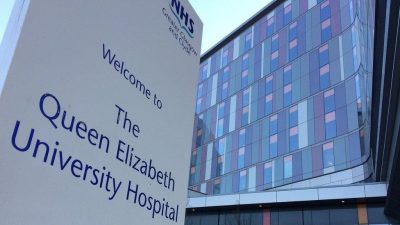
Patient tested for suspected Ebola virus – A suspected case of the Ebola virus has been identified at Queen Elizabeth University Hospital in Glasgow. The individual was admitted during the early hours of Tuesday and is now undergoing diagnostic procedures to determine if they have contracted the disease. This potential diagnosis comes amid heightened vigilance following the recent outbreak in the Democratic Republic of Congo, which the World Health Organization (WHO) has classified as a public health emergency of international concern.
International Collaboration to Monitor Spread
Public Health Scotland (PHS) is working in tandem with the UK Health Security Agency (UKHSA) to evaluate possible transmission routes from affected countries. According to a PHS spokesperson, “No confirmed cases of Ebola exist in Scotland at this time, and the risk to the general public remains minimal.” Despite this, the agency emphasized that protocols are in place to swiftly identify and manage cases, particularly among travelers arriving from regions where the virus is prevalent.
“Where required, contact tracing will occur, and individuals who may have been exposed will be assessed for clinical signs and undergo precautionary testing,” the spokesperson added.
The UKHSA has also activated the Returning Workers Scheme (RWS), a program aimed at monitoring and protecting those who travel between the UK and Ebola-affected areas as part of their professional duties. This initiative ensures that organizations sending workers to high-risk zones register them, enabling real-time health tracking and rapid response if symptoms emerge.
Recent Global Developments
Earlier this week, France confirmed its first reported case of Ebola—a doctor who had returned from a humanitarian mission in the Democratic Republic of Congo. This incident underscores the growing international concern about the virus, which continues to spread despite efforts to contain it. The situation in the DRC, where the outbreak has persisted for months, has drawn significant attention due to its potential to impact global health systems.
Understanding the Ebola Virus
Ebola is a rare yet often fatal disease caused by a virus that targets the immune system and internal organs. While the virus primarily infects animals, particularly fruit bats, human outbreaks typically begin when individuals come into contact with infected wildlife, such as through handling or consuming contaminated animals. This initial transmission often leads to human-to-human spread via direct contact with blood, bodily fluids, or other biological materials from an infected person.
Unlike influenza or the coronavirus, which are transmitted through airborne particles, Ebola requires close physical contact to spread. This makes it less contagious in everyday settings but more dangerous in healthcare environments or among families caring for sick loved ones. The incubation period for the virus ranges from two to 21 days, during which an infected person may not show symptoms but can still transmit the disease.
“Symptoms often develop suddenly and resemble those of flu or malaria, including fever, headache, and fatigue,” explained a health official. “As the infection progresses, vomiting, diarrhea, and severe internal and external bleeding may occur.”
One of the primary challenges in combating the latest outbreak is the virus’s ability to evolve and adapt. Recent mutations have made it more difficult to control, as they can increase the likelihood of transmission or reduce the effectiveness of existing treatments. Additionally, the disease’s unpredictable nature complicates containment efforts, as individuals may not exhibit symptoms for days before becoming contagious.
Global Impact and Preparedness
Health authorities in the UK have been proactive in preparing for potential cases, ensuring that hospitals and clinics are equipped with the necessary resources to handle suspected infections. This includes rapid diagnostic tools, isolation protocols, and communication channels with international health organizations. The collaboration between PHS and UKHSA reflects a broader strategy to strengthen preparedness and respond to outbreaks swiftly.
Experts warn that while the risk to the general public remains low, the virus’s presence in Europe highlights the importance of continued surveillance. The recent cases in France and the suspected case in Glasgow demonstrate how quickly Ebola can reach new regions, especially through travel. This has prompted calls for enhanced screening measures at airports and ports, as well as public education campaigns to raise awareness about the disease’s symptoms and prevention methods.
What Makes Stopping the Outbreak Difficult?
The difficulty in halting the latest Ebola outbreak stems from several factors. First, the virus’s transmission through bodily fluids means that close contact with infected individuals, such as during caregiving or medical procedures, significantly increases the risk of spread. Second, the disease’s incubation period allows asymptomatic carriers to unknowingly transmit the virus to others.
Furthermore, the outbreak has been exacerbated by limited healthcare infrastructure in some affected areas, making it harder to isolate patients and provide adequate treatment. The strain on local medical facilities has also led to challenges in managing cases efficiently. In addition, the virus’s ability to cause severe complications, including organ failure and hemorrhagic symptoms, means that even with early detection, the disease can progress rapidly.
Despite these hurdles, advancements in medical research have improved the chances of survival for those infected. Experimental treatments and vaccines are being tested, and early intervention remains critical in reducing mortality rates. The global health community continues to monitor the situation closely, with the goal of preventing further spread and protecting vulnerable populations.
The suspected case in Glasgow serves as a reminder of the interconnectedness of global health. While the UK has not yet confirmed any cases, the swift action by health authorities to implement testing and monitoring protocols demonstrates preparedness. As the outbreak in the Democratic Republic of Congo continues, vigilance remains key to preventing the virus from establishing a foothold in new regions.
