UN pauses Strait of Hormuz evacuation plan after cargo ship attacked
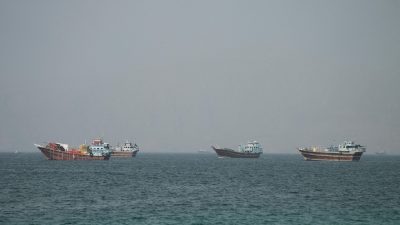
UN Evacuation Plan Suspended Amid Attack on Cargo Ship in Strait of Hormuz
UN pauses Strait of Hormuz evacuation – The United Nations’ International Maritime Organization (IMO) has temporarily suspended its evacuation initiative for over 11,000 seafarers stranded in the strategic Strait of Hormuz following an attack on a cargo vessel traversing the waterway. The incident, which occurred 7.5 nautical miles southeast of Oman’s Dahit port, was attributed to Iran by U.S. officials, though the exact circumstances remain under scrutiny. The British maritime security agency UKMTO confirmed the attack involved an “unknown projectile,” with no casualties reported.
Evacuation Progress and Safety Concerns
IMO Director Arsenio Dominguez stated that several vessels had already been evacuated under the plan, but the agency opted to pause operations to “ensure necessary safety guarantees” remain intact. “The safety of seafarers remains paramount,” he emphasized in a statement, highlighting the need for a coordinated approach amid the evolving situation. Dominguez noted that the attacked ship, the Singapore-flagged *Ever Lovely*, did not operate under the IMO’s evacuation framework, underscoring the agency’s cautious stance.
“Any consequences arising from the use of unauthorised routes shall be the responsibility of the vessel’s owner, operator and master.”
This statement was shared by the Persian Gulf Strait Authority (PGSA), the Iranian body overseeing the strait, which asserts that vessels deviating from designated routes are not guaranteed safe passage. The PGSA’s position aligns with Iran’s broader policy of managing maritime traffic in the region, as outlined in a recent 14-point agreement with the U.S. and Israel. Despite the deal, Tehran has continued to express its intent to levy maritime service fees instead of tolls for crossing the strait, a move the U.S. has strongly opposed.
Strait Closure and Global Impact
The crisis in the Strait of Hormuz dates back to late February, when the U.S. and Israel initiated military strikes against Iran, leading to the effective closure of the waterway. This critical passage, vital for oil and gas shipments, disrupted global trade and caused a sharp rise in oil prices. However, the situation began to ease after the U.S. and Iran signed a Memorandum of Understanding (MOU) on 17 June, establishing a 60-day negotiation period to address Tehran’s nuclear program and other measures to end the conflict.
Since the strait’s reopening, the IMO has coordinated an evacuation effort involving multiple countries, including Iran, Oman, the U.S., and regional coastal states. The plan, announced on Tuesday, was designed to rescue sailors from the region’s volatile conditions. But the latest attack has raised questions about the safety of the operation, prompting a temporary hold. The IMO’s decision reflects a balance between maintaining the evacuation process and addressing uncertainties in the strait’s security.
Ships’ Trajectories and Industry Response
According to ship-tracking data from MarineTraffic, the *Ever Lovely* entered the strait via the southern route on Thursday morning and exited on the eastern side by approximately 15:30 local time (16:30 BST). The vessel continued its journey without requiring assistance, as reported by the risk management firm Vanguard. The incident has sparked discussions about the reliability of the strait’s reopening and the challenges of ensuring safe passage for commercial ships.
The PGSA’s warning about unauthorised routes highlights the geopolitical tensions surrounding the strait. While the U.S. and Israel have agreed to a ceasefire, Iran’s insistence on charging maritime service fees instead of tolls has been a point of contention. Secretary of State Marco Rubio, currently in Bahrain as part of a Gulf tour to review the deal, has reiterated that the strait should remain a neutral, international waterway. “No country is allowed to impose tolls on the Strait of Hormuz,” he stated, stressing its global significance.
Oil Market Fluctuations and Strategic Implications
Despite the ongoing tensions, the oil market has shown signs of stabilizing. The price of crude briefly dipped below $72.48 per barrel on Thursday, matching levels from the day before the U.S.-Israel attacks began. This decline followed the MOU’s signing, which marked a pivotal moment in easing the crisis. However, the initial spike in oil prices during the strait’s closure had a ripple effect on other commodities, including fertiliser, which saw reduced shipments due to the disruption.
The attack on the *Ever Lovely* serves as a reminder of the risks associated with the region’s geopolitical instability. While the IMO’s evacuation plan has been a critical step in safeguarding sailors, the incident has exposed vulnerabilities in the current arrangement. The agency’s pause allows for reassessment of safety protocols and potential adjustments to the framework, ensuring that all vessels benefit from the same protections.
International Cooperation and Ongoing Challenges
The IMO’s evacuation initiative relies on cooperation from a range of stakeholders, including the U.S., Oman, and other Gulf nations. This collaboration has been essential in maintaining the flow of maritime traffic and rescuing stranded personnel. However, the attack has tested this partnership, revealing the complexities of ensuring mutual trust in a region marked by shifting alliances and strategic interests.
As the situation unfolds, the IMO and its partners must navigate both immediate safety concerns and long-term implications for the strait’s management. The incident has reignited debates about Iran’s role in the region and its commitment to the 14-point deal. While the agreement aims to de-escalate tensions, the continued imposition of maritime service fees could influence the effectiveness of the ceasefire and the broader geopolitical landscape.
Analysts suggest that the U.S. and its allies remain vigilant, with Rubio’s visit to the Gulf serving as a diplomatic reassurance. The trip also provides an opportunity to address concerns about the deal’s implementation and Iran’s adherence to its terms. For the IMO, the challenge lies in maintaining its evacuation efforts while advocating for a unified approach to strait management. The outcome of this pause may shape the future of maritime operations in the region and determine whether the strait can be restored to its pre-crisis status as a vital trade route.
In the wake of the attack, the international community continues to monitor developments closely. The *Ever Lovely* incident underscores the delicate balance between economic interests and security risks in the Strait of Hormuz. As the IMO seeks clarity, the world watches to see if the strait can remain open for business or if new challenges will emerge, further complicating the already intricate web of regional and global relations.
