Jail time and unlimited fines planned under conversion practices ban
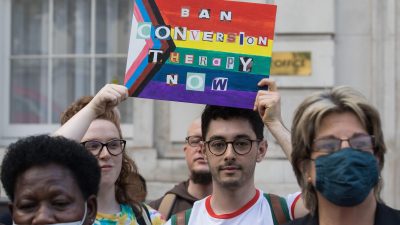
Jail Time and Unlimited Fines Planned Under Conversion Practices Ban
Jail time and unlimited fines planned – In a significant legislative move, the UK government has unveiled plans to criminalize conversion practices, with proposed penalties including up to five years in prison and unlimited fines. The draft Conversion Practices Bill, set to be introduced to Parliament later today, targets “abusive acts” intended to alter someone’s sexual orientation or transgender identity. This marks a pivotal shift in the legal framework, aiming to provide explicit protection for LGBT+ individuals against harmful practices.
Legislation to Address “Unique Nature” of Conversion Practices
The Cabinet Office has emphasized that the bill will “ensure LGBT+ people are protected from physical and psychological abuse to change who they are.” According to the government, existing laws on domestic abuse or coercive control do not adequately cover the specific nature of conversion practices, which are often rooted in the belief that being LGBT+ is a negative or shameful identity.
Minister for Equalities Olivia Bailey highlighted the urgency of the legislation, stating,
“Conversion practices are driven by the false belief that being LGBT+ is shameful and can be forcibly changed. Legal loopholes have left LGBT+ people vulnerable to these harmful acts, which is why we must legislate.”
The bill introduces two criminal offenses: one for individuals who perform conversion practices causing serious harm, alarm, or distress; and another for those who encourage or assist such practices outside of England and Wales. Additionally, the government has proposed civil powers known as Conversion Practice Protection Orders, which are designed to “pre-emptively protect those deemed to be at risk of abuse.”
Concerns Over Criminalization of Exploratory Conversations
Despite the government’s stance, some groups have expressed caution. Critics argue that the legislation could inadvertently criminalize exploratory discussions about gender identity or sexual orientation, particularly when initiated by parents or professionals. For instance, the 2018 UK-wide LGBT Survey revealed that 5% of 108,000 respondents had been offered conversion therapy, while 2% had undergone it. However, the survey did not define conversion therapy or ask when and where these practices occurred, leaving room for interpretation.
Galop, an anti-LGBT abuse charity, has released updated statistics showing over 300 calls related to conversion practices between 2022 and 2025. A sample of 195 cases revealed alarming examples, including reports of physical and sexual violence, attempts at forced marriages, and individuals being taken abroad for conversion therapy. Notably, 132 cases were classified as ongoing or recent, and more than half—123—were initiated by parents.
Dr. Hilary Cass, who authored a key report on children’s gender identity services, praised the legislation for clarifying the definition of conversion practices. She noted,
“I am pleased to see that the government is bringing forward legislation which not only gives a clearer definition of what conversion practices are, compared to previous drafts, but also what they are not.”
The government has also included exemptions for legitimate healthcare interventions, aiming to ensure the bill does not overly restrict therapeutic approaches. Officials claim the “high threshold” for criminality will focus the law on “acts that are abusive, seeking to change someone’s identity,” rather than encompassing all gender-related discussions.
Historical Context and Legislative Challenges
The idea of banning conversion practices was first introduced in 2018, but it faced several setbacks. The legislation was initially supported by the government’s LGBT+ Advisory Panel, which later resigned due to internal disagreements. Advisors struggled to agree on whether the law would risk criminalizing parents or professionals engaged in exploratory conversations with young people experiencing gender-related distress.
This back-and-forth has led to multiple U-turns in the policy’s development. However, the current draft is seen as a culmination of the debate, reflecting a broader consensus on the need to protect individuals from coercive measures. The bill’s focus on “abusive acts” is intended to differentiate between harmful practices and non-intrusive, supportive discussions.
Mary-Ann Stephenson, Chair of the Equality and Human Rights Commission, stressed the importance of “clear definitions and boundaries” in the legislation. She explained,
“It’s crucial that the legislation has precise language to safeguard legitimate medical treatment and therapy while targeting the most damaging forms of conversion practices.”
Impact and Scope of Conversion Practices
While the bill provides a legal definition of conversion practices as “conduct which aims to change someone’s sexual orientation or transgender identity through abusive acts that seriously harm the victim,” the extent of their prevalence remains unclear. The 2018 survey, though informative, lacked detailed categorization, making it difficult to assess the true scale of the issue.
Galop’s analysis of 195 cases uncovered a range of tactics, from coercive and controlling behaviors to religion-based methods like forced or coerced prayer, religious “aversion therapy,” and exorcisms. A striking 158 cases involved coercive behavior, while 52 were tied to religious practices and 47 included physical violence. These findings underscore the diverse ways in which conversion practices can manifest, often blending psychological pressure with physical intimidation.
The proposed penalties aim to deter practitioners from engaging in such acts. Offenders could face both fines and prison sentences, with the government asserting that the law will “strike a balance between accountability and protection.” This dual approach is intended to penalize severe cases while allowing for flexibility in less harmful scenarios.
Legislative Process and Public Debate
The creation of UK laws typically involves a lengthy process, starting with consultations and policy proposals. The Conversion Practices Bill is no exception, with its development shaped by feedback from various stakeholders. While some support the measure as a necessary safeguard, others remain divided on its implications.
The bill’s introduction has reignited debates about the role of families and professionals in shaping a person’s identity. Supporters argue that the law addresses systemic abuse, whereas critics worry it could stigmatize parents who use traditional methods to guide their children. The government maintains that the law is focused on “abusive” conversions, not all forms of discussion or guidance.
The legislation’s potential to impact both individuals and institutions has sparked discussions about its implementation. For example, schools and healthcare providers may need to adjust their practices to avoid legal repercussions. Meanwhile, the definition of “serious harm” remains a point of contention, with some fearing it could be interpreted broadly.
Forward Steps and Future Implications
As the bill moves closer to parliamentary approval, its final wording and enforcement mechanisms will be critical. The government has sought to address concerns by refining the law’s scope and including safeguards. However, the success of the legislation will depend on its ability to distinguish between harmful practices and supportive interventions.
The bill represents a significant step toward legalizing the protection of LGBT+ individuals, but its impact will extend beyond the courtroom. It may influence public perception, encourage more open discussions about identity, and set a precedent for similar laws in other regions. As the debate continues, the focus remains on ensuring the legislation is both effective and equitable.
With its combination of criminal and civil provisions, the Conversion Practices Bill seeks to tackle conversion practices comprehensively. While the exact number of affected individuals remains uncertain, the government believes the law will provide a much-needed framework to safeguard vulnerable people. The final stages of the process will be crucial in determining how this landmark legislation shapes the future of gender and sexual identity in the UK.
