France confirms first Ebola case
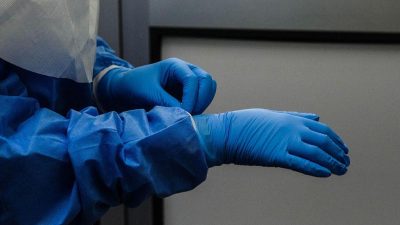
France Confirms First Ebola Case, Spreading Concerns Across Europe
Breakthrough in European Ebola Outbreak
France confirms first Ebola case – France has officially confirmed its first documented case of Ebola, marking a pivotal moment in the global fight against the virus. The individual, a medical worker, arrived from the Democratic Republic of Congo (DRC) and was immediately quarantined upon returning. French health authorities reported that the patient is currently stable, yet the development has intensified discussions about the virus’s potential to spread beyond Africa and reach European countries. This confirmation underscores the need for heightened vigilance in international travel and healthcare protocols.
Outbreak Origins and Regional Impact
The Ebola outbreak in the DRC, which was officially declared last month, has been a major focus for global health organizations. However, recent reports suggest the virus may have been circulating in the region for several weeks before the official announcement. Over 260 deaths and more than 1,000 infections have been recorded, with the majority of cases concentrated in the eastern provinces of Ituri, South Kivu, and North Kivu. Ituri remains the epicenter, accounting for nearly 90% of confirmed infections.
“The risk to the rest of the world is low,” said WHO Director Tedros Adhanom Ghebreyesus, noting that no immediate panic is warranted. Nonetheless, the presence of Ebola in France has reignited debates about preparedness and the importance of rapid response mechanisms. Experts stress that while the spread to Europe is unlikely, proactive measures are essential to prevent any further cases.
Global Health Systems Under Scrutiny
The DRC outbreak has highlighted the vulnerabilities of healthcare workers, who are at the forefront of containing the virus. With over 200 health professionals infected, the WHO reported that 17 of them have died from the disease. The Bundibugyo strain, responsible for the current outbreak, presents a unique challenge as no vaccine is currently available for it. This lack of a targeted treatment has made containment efforts in regions with limited medical resources even more critical.
France’s case is not isolated, as an American doctor tested positive for Ebola while being treated in a German hospital last month. This incident demonstrates the interconnectedness of global health systems and the importance of international collaboration during crises. Meanwhile, Uganda has also seen a rise in cases, with 20 infections and two deaths reported, further emphasizing the virus’s reach across the continent.
International Response and Challenges
Despite progress in curbing the outbreak, challenges persist. The WHO has pointed to the ongoing conflicts in eastern DRC, where the M23 rebel group controls significant areas of North and South Kivu. These conditions hinder the deployment of medical teams and the distribution of resources, slowing down containment efforts. In contrast, France has implemented a robust monitoring system for returning aid workers, ensuring quick identification and isolation of potential cases.
Global health authorities are now urging additional precautions for travelers and medical personnel. The recent case in France has reinforced the need for strict protocols, such as temperature checks and regular testing, to detect outbreaks early. While the situation in the DRC shows signs of stabilization, the potential for resurgence remains, especially in areas with limited healthcare infrastructure and population displacement.
Preparedness and Future Strategies
Kenya, which has maintained zero reported cases so far, faces growing anxiety as the virus spreads. Locals fear that a U.S. medical facility in the country could become a new hotspot, reflecting broader concerns about the outbreak’s potential to extend its reach. The WHO’s cautious optimism is tempered by the realization that both human activity and geopolitical factors play a role in the virus’s transmission.
As the global community watches the situation closely, the focus remains on preventing the virus from establishing a presence in Europe. France’s case serves as a reminder of the importance of swift action and international cooperation in combating infectious diseases. Researchers continue to work on developing vaccines and treatments for the Bundibugyo strain, with hopes of improving the chances of containing future outbreaks.
