Trump anticipates better relationship with Colombia under new leader
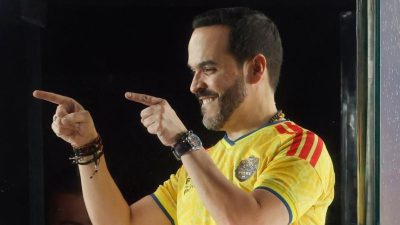
Trump Hopes for Improved Ties with Colombia Under New Leader
Trump anticipates better relationship with Colombia – President Donald Trump has expressed optimism about a “much better relationship” between the United States and Colombia following the announcement of preliminary election results. The lead in the count suggested that right-wing candidate Abelardo de la Espriella had narrowly secured victory in Sunday’s presidential run-off, edging out his left-wing opponent, Iván Cepeda, by less than one percentage point. This slim margin, the narrowest in recent Colombian history, has raised questions about the future of the country’s political landscape, but Trump remains confident about the potential for closer collaboration.
Close Race and Uncertain Outcome
The unofficial tally, which is not yet legally binding, showed de la Espriella maintaining a lead of approximately 250,000 votes. While the result appears clear, Cepeda has not yet conceded, vowing to await further verification. This process typically takes several days, during which discrepancies or challenges could emerge. The close contest highlights the deep divisions in Colombian society, with voters split over the country’s ongoing struggle with drug trafficking and its historical conflict.
De la Espriella, a political outsider, campaigned on a platform of intensifying efforts against drug cartels and criminal groups that have plagued Colombia for decades. As the world’s largest producer of coca, the country has long grappled with the production and trafficking of cocaine. De la Espriella’s promise to “crack down” on these organizations has resonated with many, particularly those who favor a stronger stance against organized crime. In contrast, Cepeda’s campaign focused on addressing inequality and human rights issues, which has drawn support from progressive factions.
Trump’s Endorsement and Past Tensions
Trump, who had publicly endorsed de la Espriella before the run-off, hailed the candidate’s victory, stating that “the results show a clear path forward” for bilateral cooperation. The US president’s remarks followed months of heated exchanges with Colombia’s outgoing leader, Gustavo Petro, a left-wing politician who had criticized Trump’s policies and rhetoric. The relationship had soured due to Trump’s dismissive comments about Petro, whom he labeled a “sick man” and a “drug-trafficking leader” without providing evidence. Petro, in turn, accused Trump of basing his immigration policies on Nazi tactics, a charge that underscored the ideological clash between the two leaders.
“He [de la Espriella] is going to be a great president,” Trump said during a Monday press conference, expressing anticipation for a “powerful relationship” with the new leader. This optimism contrasts with his earlier criticism of Petro, whose administration had previously challenged US involvement in Colombia’s affairs.
Trump’s enthusiasm for de la Espriella’s win is tied to the potential for a more aligned approach on security and foreign policy. The president had also praised the planned military operation against Venezuelan leader Nicolás Maduro in January, calling it “good” and suggesting similar actions could be taken against Colombia’s drug traffickers. This stance has drawn support from segments of the American public who favor a more interventionist foreign policy.
Promises of Military Cooperation
De la Espriella has pledged to enhance Colombia’s cooperation with the United States, particularly in the fight against drug trafficking. His campaign included plans to conduct airstrikes on criminal networks and allow the US to establish military bases within the country. These measures are seen as critical to combating the root causes of violence, which have left thousands dead over the years. The “Shield of the Americas” alliance, which de la Espriella aims to join, is a multilateral initiative designed to unify Latin American nations and the US against cartel activities.
President Petro had previously mocked the alliance, deriding its inaugural summit in Miami as a gathering of “least experienced” countries in the drug war. This critique reflects the broader skepticism some Colombians have about US influence, particularly after decades of involvement in the country’s internal conflicts. However, de la Espriella’s victory may signal a shift toward a more pragmatic partnership, one that prioritizes security and economic stability.
Voter Concerns and Historical Context
Despite de la Espriella’s strong support from right-wing and security-focused voters, concerns linger among those who fear a return to human rights abuses. Some Cepeda backers have warned that the new administration could revive practices like the “false positives” scandal, in which over 6,400 civilians were killed and falsely identified as guerrilla fighters to inflate the army’s kill rate. These allegations have fueled debates about the balance between security and justice in Colombia’s ongoing conflict.
De la Espriella addressed these worries in his victory speech, vowing to target drug traffickers and “bandits” while adhering to the law and constitution. “I will enforce strict measures against criminals, but I will do so within the framework of justice,” he declared. This pledge aims to reassure voters that his government will not abandon the rule of law in pursuit of quick victories. Nonetheless, critics argue that his approach could lead to increased militarization and potential abuses of power.
Broader Implications for Latin America
The election outcome may also have implications for the broader US-Latin America relationship. Trump’s administration has long sought to strengthen alliances in the region, often through security partnerships and economic agreements. De la Espriella’s win could provide a renewed opportunity for the US to deepen its engagement with Colombia, a country that has historically been a key partner in counter-narcotics efforts. However, the success of this collaboration will depend on how effectively de la Espriella balances security priorities with human rights considerations.
Meanwhile, China has been steadily building its influence in Latin America, with Colombia as one of its strategic targets. The country’s growing economic ties with China have raised questions about whether the US can reclaim a stronger foothold in the region. Trump’s endorsement of de la Espriella is part of a broader strategy to reorient Colombia’s foreign policy toward shared security interests, potentially challenging China’s expanding presence. Yet, the extent of this shift will depend on the new leader’s domestic agenda and international priorities.
As Colombia prepares for the swearing-in of its new president on 7 August, the focus will turn to how de la Espriella’s administration will navigate the complex interplay of domestic challenges and international alliances. The US’s hope for a more favorable relationship may be tested by the country’s history of violence and its ongoing struggles with corruption and inequality. Nonetheless, Trump’s positive outlook suggests that the administration is eager to rebuild trust and reshape the geopolitical dynamics of the region.
Legacy of Conflict and Political Change
Colombia’s presidential election has been shaped by its decades-long internal conflict, which has defined the nation’s political discourse. The war between government forces, leftist guerrillas, and right-wing paramilitaries has left deep scars, with the economy and social fabric still recovering from years of instability. De la Espriella’s victory signals a shift toward a more right-leaning governance, with a renewed emphasis on combating drug trafficking as a central issue.
Trump’s comments reflect his belief that de la Espriella’s leadership will bring about a more cooperative dynamic. The president’s emphasis on “building a powerful relationship” underscores the importance he places on Colombia as a strategic ally. This sentiment is echoed by US officials who view the country as a critical partner in the fight against transnational crime. However, the success of this partnership will hinge on the new administration’s ability to address the concerns of both its supporters and critics, ensuring a balance between security and justice.
As the country moves toward a new chapter under de la Espriella, the international community will watch closely. The transition may offer fresh opportunities for collaboration, but it also carries the risk of deepening existing divisions. Trump’s optimism about the future of US-Colombian relations suggests a renewed focus on shared goals, though the practical challenges of implementing these policies will determine their impact on the ground. With the August inauguration looming, the stage is set for a transformative period in Colombia’s political and diplomatic trajectory.
