Ancient ‘Robin Hood’ tree is dead, experts say
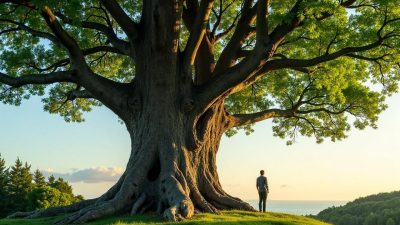
Ancient ‘Robin Hood’ Tree is Dead, Experts Say
Symbol of Legend and Nature Now Laid to Rest
Ancient Robin Hood tree is dead – The Major Oak, a towering tree nestled in Sherwood Forest, Nottinghamshire, has been declared dead by conservationists, marking the end of an era for one of Britain’s most revered natural landmarks. This ancient tree, which is believed to have stood for over a millennium, has long been associated with the folklore of Robin Hood, a figure who has captured the imagination of generations. Its monumental size and unique features, such as the hollow trunk said to have sheltered the legendary outlaw, have made it a focal point for both history enthusiasts and nature lovers.
Scientists from the Royal Society for the Protection of Birds (RSPB) confirmed the tree’s death after observing its first leafless spring in recent years. The RSPB, which oversees the preservation of Sherwood Forest, cited a combination of factors contributing to the tree’s decline. These included years of structural interventions, such as bracing and pruning, aimed at safeguarding its stability, as well as the heavy foot traffic from millions of annual visitors. Climate change, with its intensifying heatwaves and prolonged droughts, further exacerbated the challenges faced by the aging oak.
While the exact cause of the tree’s demise remains uncertain, experts agree that human activity and environmental stressors played significant roles. The RSPB highlighted how the compacted soil beneath the tree, resulting from decades of visitor access, hindered its ability to absorb nutrients and oxygen. This soil degradation, compounded by rising temperatures and erratic weather patterns, created a perfect storm for the tree’s health. Despite efforts to revitalize its ecosystem, the Major Oak could not withstand these combined pressures.
The tree’s death has sparked reflection on the broader implications for ancient woodland conservation. Ed Pyne, a senior conservation adviser with the Woodland Trust, called the Major Oak “one of the country’s most important trees.” He noted that its loss is a tragic reminder of the delicate balance between preserving heritage and accommodating human interaction. “We’ve learned so much from the work we’ve done… that we could apply these lessons to other trees across the UK,” Pyne added, emphasizing the need for adaptive strategies in protecting ancient forests.
“The Major Oak has provided inspiration for countless stories, poems, paintings and people for more than 1,000 years – all the while itself teeming with life and providing a home to an enormous range of wildlife.” – Dame Judi Dench, patron of the Woodland Trust
Dame Judi Dench, a celebrated actor and advocate for ancient trees, has personally connected with the Major Oak’s legacy. She recently planted a sapling from the tree in her garden, alongside a cutting from the Sycamore Gap tree, a symbol of her commitment to environmental preservation. Dench urged the public to take action, stating, “I hope everyone who has been inspired by the Major Oak or another ancient tree reaches out to their MP and asks them to improve legal protections for these iconic and vital elements of our national landscape.”
The Major Oak’s history is as rich as its roots. Known by various names over the centuries, it gained the title “Major” after being referenced in a book by Major Hayman Rooke, a former British Army soldier from Mansfield Woodhouse, in 1790. Rooke’s account helped elevate the tree’s status, drawing the first waves of tourists to Sherwood Forest. Today, its iconic stature remains, even as its physical form fades. The tree’s sprawling canopy, which once invited visitors to climb into its hollow trunk, now serves as a silent testament to its former vitality.
Conservation efforts have evolved over time, reflecting changing priorities. Early interventions focused on stabilizing the tree’s structure, but newer strategies emphasized protecting its surrounding soil. This shift was driven by the recognition that compacted ground could limit the tree’s access to essential nutrients. However, these efforts, while well-intentioned, may have inadvertently contributed to its decline. The RSPB stressed that the tree’s death is not solely due to human hands but also the natural aging process, which has been accelerated by modern environmental conditions.
While the Major Oak’s legacy endures, its absence will be felt deeply in the local ecosystem. The tree’s hollow trunk, created by fungal decay, once housed a variety of wildlife, from insects to small mammals. Its vast size and longevity made it a keystone species in Sherwood Forest, supporting biodiversity and serving as a microcosm of the region’s ecological history. Even in its final years, the tree continued to inspire, its presence a bridge between myth and reality.
Experts now consider the Major Oak’s death a pivotal moment for conservationists. The RSPB confirmed that the tree will remain standing as a monument, allowing future generations to appreciate its grandeur. Saplings from the Major Oak have also been distributed globally, ensuring its genetic lineage lives on. This act of propagation underscores the enduring significance of the tree, even in its absence.
As the tree’s story concludes, it raises questions about the future of similar ancient trees. Scientists have long debated whether trees die of old age or external factors, but the Major Oak’s case provides concrete evidence of the latter. Climate change, combined with centuries of human interaction, has shortened its lifespan. Conservationists now face the challenge of applying these lessons to other trees, ensuring they do not meet the same fate. The Major Oak’s decline serves as a cautionary tale, highlighting the need for sustainable practices in preserving natural heritage.
Its passing also marks the end of a chapter in the forest’s history. The tree had been a central figure in Sherwood Forest’s identity, drawing millions of visitors and inspiring literary works, films, and cultural references. The hollow trunk, once a hideout for Robin Hood, now stands as a relic of folklore. Yet, its death does not signal the end of its influence. The saplings planted in its honor and the stories it has inspired will carry its spirit forward.
For many, the Major Oak was more than a tree; it was a symbol of resilience and connection to the past. Its journey from a thriving natural giant to a fallen monument reflects the challenges of balancing preservation with accessibility. As conservationists mourn its loss, they also look to the future, hoping to protect other ancient trees before they, too, succumb to the same fate. The Major Oak’s legacy, though diminished, remains etched in the hearts of those who have walked its shadow.
Meanwhile, the RSPB continues to manage Sherwood Forest, ensuring that its remaining trees and ecosystems thrive. The organization acknowledged that while staff had done everything possible to save the Major Oak, its death is a sobering reminder of the fragile state of these ancient giants. The tree’s final years, marked by a noticeable reduction in leaf quality and quantity, underscore the slow but inevitable decline of such natural wonders in a changing world.
As the Major Oak stands as a symbol of both myth and nature, its demise invites a deeper appreciation for the trees that have shaped our landscapes for centuries. The loss of this iconic tree highlights the importance of safeguarding these living monuments, which have provided shelter, sustenance, and inspiration for millennia. The stories of Robin Hood and the countless others who have drawn from the forest’s magic will continue, but the tree itself will now be a part of history, remembered for its strength and the lives it touched.
