Iran deal presents political nightmare for Netanyahu
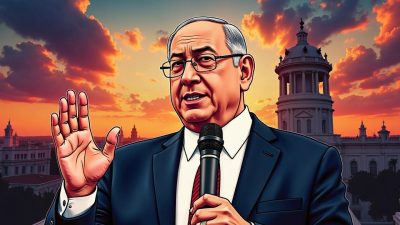
Netanyahu’s Strategic Challenges Emerge Following US-Iran Ceasefire Agreement
Iran deal presents political nightmare for Netanyahu – The recent US-Iran ceasefire deal has thrown Israel’s political landscape into turmoil, exposing vulnerabilities in the leadership of Prime Minister Benjamin Netanyahu. For years, Netanyahu has positioned himself as a pivotal figure in shaping Israel’s security policy, leveraging his relationships with American leaders to secure international support against Iran’s nuclear ambitions. However, the agreement has disrupted this carefully crafted narrative, forcing him to confront a crisis that challenges his authority, undermines key pillars of his political career, and creates a new security dilemma. How can a leader who once boasted of his Washington connections now find himself at odds with his closest ally? And how can a man who prioritized Iran as the central threat to Israel’s survival appear to have compromised that goal?
The Three Pillars of Netanyahu’s Political Identity
Netanyahu’s leadership has long rested on three foundations: his reputation as Israel’s foremost security strategist, his influence over US policy, and his unwavering stance against Iran. These pillars have not only defined his tenure but also shaped Israel’s national narrative. The ceasefire deal, however, has shaken each of these pillars. Critics argue that by allowing Iran to dictate terms in Lebanon, Netanyahu has weakened Israel’s ability to act decisively against Hezbollah, a group he has historically viewed as a critical threat. Additionally, the agreement has cast doubt on his ability to sway American decision-making, as President Donald Trump’s blunt criticism of Netanyahu’s actions underscores the growing disconnect between the two allies.
Reactions from Rivals and Allies
Opposition leaders and media figures have seized on the deal to question Netanyahu’s effectiveness, framing it as a failure to secure Israel’s interests. Yair Lapid, the head of Israel’s main opposition party, encapsulated the dilemma during a speech in the Knesset, declaring that Netanyahu now faces a choice between “a direct and destructive confrontation with our greatest ally” or “a submissive surrender of Israeli interests.” This stark assessment has amplified the pressure on the prime minister, especially as the country prepares for a general election by the end of October.
“I have devoted most of my adult life to one goal—preventing Iran from obtaining nuclear weapons,” Netanyahu stated during a press conference in Jerusalem, defending his record despite the backlash.
Within his own coalition, the pressure is equally intense. Far-right ministers, including Itamar Ben-Gvir, the national security minister, have openly criticized the agreement, arguing that it does not guarantee Israel’s security. Ben-Gvir, a staunch hawk, took to social media to express his frustration, claiming, “Trump’s agreement does not bind us. We are not partners to this deal that does not ensure our safety.” His remarks reflect a broader sentiment among hardliners who fear that the ceasefire could embolden Iran and Hezbollah, allowing the latter to consolidate power in Lebanon.
“We will do what we need to do. And we expect our friends to understand us,” said Likud lawmaker Ariel Kallner, highlighting the internal debate within Netanyahu’s government.
While Kallner emphasized the need for flexibility, the debate over the ceasefire’s scope remains unresolved. Some in the coalition argue that the deal should include Lebanon in its provisions, ensuring Israel’s continued military presence there. Others, however, contend that the agreement is a necessary concession to stabilize the region, even if it means temporarily pausing attacks on Hezbollah.
Netanyahu’s Defenses and the Path Forward
Despite the mounting criticism, Netanyahu has sought to reframe the situation as a strategic adjustment rather than a defeat. During his press conference, he reiterated his commitment to preventing Iran from acquiring nuclear weapons, calling the ceasefire a “temporary pause” in a broader effort to maintain Israel’s security. He also pointed to the agreement’s flexibility, noting that it does not lock Israel into a permanent non-aggression pact with Iran. “Our American allies respect that determination,” he said, asserting that his firm stance had earned the trust of Washington.
“I have expressed my views in discussions, but we have our own interests: first, no nuclear threat; second, Lebanon—we created a buffer zone and will remain there as long as necessary,” Netanyahu explained, outlining his rationale for the deal.
His defense hinges on the argument that the ceasefire is a tactical move to secure long-term stability. By allowing the US and Iran to broker a deal, Netanyahu aims to consolidate a broader regional peace, even if it means sacrificing some immediate military actions. Yet this approach has drawn ire from both hardliners and moderates, with some questioning whether the deal prioritizes diplomatic outcomes over direct confrontation.
The Broader Implications for Israel’s Security Strategy
The ceasefire deal also raises concerns about the future of Israel’s security policy. For decades, Netanyahu has framed his leadership around the idea that confronting Iran is essential to Israel’s survival. Now, he is forced to navigate a scenario where the US and Iran have agreed to a truce that may limit Israel’s ability to strike Hezbollah. This shift has left the prime minister in a precarious position, as he must balance the demands of his coalition with the expectations of his security establishment.
“By allowing Iran to decide what will happen in Lebanon, the US is giving Tehran the possibility to continue supporting Hezbollah and to ensure its dominance in the Lebanese arena,” said Sima Shine, a former Mossad official and Iran specialist.
Shine’s analysis underscores the perception that the ceasefire could inadvertently strengthen Hezbollah, which has been a persistent threat to Israeli interests in the region. The security establishment, she noted, remains unconvinced that the deal addresses Israel’s vulnerabilities, particularly in the face of Iran’s growing influence. Meanwhile, the political leadership is divided, with some advocating for a more aggressive approach and others urging pragmatism.
Netanyahu’s challenge now lies in maintaining his image as a decisive leader while adapting to the constraints imposed by the ceasefire. His response to the Hamas-led attacks on October 7, 2023, had already signaled a shift toward a more proactive security strategy. By expanding military operations in Gaza, he sought to eliminate threats to Israel’s northern flank, a tactic that proved controversial but underscored his commitment to action. Yet the US-Iran deal complicates this vision, forcing him to confront the possibility that his hardline policies may be constrained by external forces.
As the election approaches, Netanyahu’s ability to rally support will depend on how effectively he can frame the ceasefire as a necessary compromise. While some Israelis may view the deal as a victory for diplomacy, others see it as a betrayal of national interests. With the political stakes high and the security landscape uncertain, the prime minister faces a defining moment that could reshape his legacy and Israel’s future.
