Somali referee Artan barred from entering US
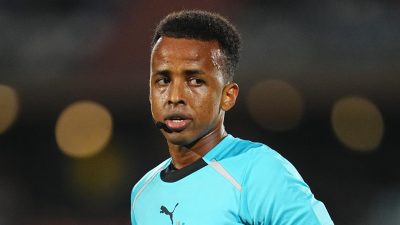
Somali Referee Omar Artan Excluded from 2026 World Cup After US Entry Denial
Somali referee Artan barred from entering – Omar Artan, a prominent figure in Somali football, was set to make history as the first referee from his home country to officiate at the FIFA World Cup. However, his participation in the 2026 tournament, which will be hosted jointly by Canada, Mexico, and the United States, has been jeopardized after he was denied entry into the U.S. at Miami International Airport. The incident has raised concerns about the impact of immigration policies on international sports events.
Travel Ban List and FIFA’s Response
The U.S. immigration authorities did not provide a specific reason for Artan’s repatriation, but Somalia is among several nations included in the travel ban list implemented during President Donald Trump’s administration. This list, which targeted individuals from certain countries, has been a point of contention for athletes and officials from those regions. Artan, who had been traveling with valid documentation, was reportedly sent back to Turkey after his entry was denied.
FIFA confirmed the decision in a statement, noting that Artan would miss the World Cup due to his inability to train and officiate. The governing body emphasized that it does not handle visa adjudications or immigration processes, stating that the host government ultimately decides who is admitted. “Fifa is not involved in host country immigration processes, including visa adjudications, and has been informed by authorities that Mr. Artan’s status will not be changed at present,” the statement read.
Artan, the 2025 Confederation of African Football (CAF) men’s referee of the year, had previously officiated at the Africa Cup of Nations (Afcon). His selection for the World Cup was a significant milestone, symbolizing the growing recognition of Somali talent on the global stage. The exclusion has sparked discussions about how such policies might affect future events and the diversity of participants.
Artan’s Reaction and Support
“I would like to thank Fifa and CAF for all their support and I promise to keep my refereeing levels up as I concentrate on the future,” said Artan in a statement to Reuters. “I want to thank the football family for their messages and wish my colleagues all the best success during the World Cup and I look forward to joining them again in future competitions.”
Despite the setback, Artan expressed optimism, stating he remains focused on his professional development. His comments reflect a determination to continue contributing to football even if the World Cup is out of reach. The Somali Football Federation (SFF) has reached out to FIFA for urgent clarification, seeking to understand the full implications of the entry denial.
U.S. Officials Back the Decision
Andrew Giuliani, who leads the White House Task Force on the World Cup, defended the decision to deny Artan entry. “While I can’t go into the derog [derogatory information] on that, I can tell you it was the right decision by customs and border patrol and I support that decision,” he said during an interview with the BBC World Service.
Artan was among the 52 referees named by FIFA to officiate at the 2026 tournament, which is scheduled from June 11 to July 19. His inclusion in this elite group was a testament to his skill and dedication. Now, with his name removed from the list, the event faces a notable absence from a country that has been striving for greater representation in international football.
Broader Implications of the Travel Ban
The travel ban list, introduced by Trump’s administration, has had far-reaching effects beyond the World Cup. Countries like Somalia, which have been impacted by these policies, have seen their athletes and officials face challenges in securing visas for major sporting events. This has created a ripple effect, influencing the dynamics of global competitions and highlighting the intersection of politics and sports.
Artan’s case is emblematic of the broader issue. While he had a diplomatic passport issued to ease previous visa difficulties, the U.S. authorities still denied him entry. This raises questions about the fairness of such decisions and their potential to hinder the participation of individuals from specific regions. The Somali national football league’s officials have expressed frustration over the situation, emphasizing the importance of maintaining open channels for international collaboration.
Global Response and Future Outlook
The incident has drawn attention from fans and stakeholders worldwide. Some have criticized the travel ban as a barrier to inclusivity, arguing that it unfairly targets participants from certain countries. Others, however, have acknowledged the U.S. authorities’ stance, citing their right to enforce immigration policies. As the World Cup approaches, the focus remains on how such events can adapt to these challenges and ensure equitable participation.
While the immediate focus is on Artan’s exclusion, the broader implications of the travel ban persist. The World Cup, which will feature teams from across the globe, serves as a platform for cultural exchange and international unity. The denial of entry to Artan highlights the delicate balance between national security and the spirit of global sportsmanship.
Additional Information
For those interested in the World Cup fixtures, group standings, and how to watch the matches on the BBC, further details are available. The tournament, which will be held in North America, promises to be a high-profile event, bringing together the best teams and officials from around the world. However, the incident involving Artan underscores the challenges that can arise when political decisions intersect with sports.
As the 2026 World Cup draws near, the situation serves as a reminder of the importance of diplomatic efforts in facilitating international participation. The Somali Football Federation and other organizations continue to advocate for smoother access, ensuring that talent from all regions can contribute to the global football community without hindrance.
