
Burnham Pledges Welfare Reform Focus but Declines Election Deadline
Constantvpn.com – Andy Burnham has said the government is determined to bring down welfare spending as quickly as possible, while refusing to commit to reducing the overall bill before the next general election.
The comments follow renewed scrutiny of welfare policy after Budget forecasts showed spending rising from £353bn this year to £431bn in 2031/32. The next general election must take place by August 2029, but the government has declined to set a fixed date by which the benefits bill will be lower.
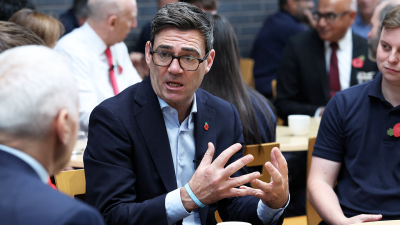
Speaking during a visit to Derby, Burnham said ministers were concentrating on measures intended to help more people move from benefits into lasting work. He argued that reducing spending should not mean withdrawing support in ways that create further pressure elsewhere in public services.
“We want to get the welfare bill down as quickly as possible, and we’re working flat out to that end.”
He said the central challenge was not simply to cut expenditure, but to ensure people could enter sustainable employment. In his view, abrupt reductions in support could leave people in crisis and ultimately shift costs to other parts of the state.
“If we just went and made crude cuts, in the end, that leaves people in crisis, and you spend more public money somewhere else, so it’s about getting people into sustainable employment.”
Questions over what a reduction would mean
Ministers have faced pressure to clarify whether their aim is an outright fall in welfare spending or merely a slower rate of growth than current forecasts suggest. Downing Street has said it is not adopting an arbitrary target or timetable.
The issue gained prominence after Chancellor John Healey said there would be a reduction in the benefits bill and that the government would achieve this “in a Labour way”. However, Treasury figures later challenged the idea that his remarks amounted to a commitment to have the bill lower by the time voters next go to the polls.
That distinction matters because welfare expenditure is influenced by a range of factors beyond short-term policy decisions. Spending can increase when more people need health-related support, when pension costs rise, or when the number of people receiving particular benefits changes. A government could introduce reforms designed to restrain future growth without immediately taking total spending below its present level.
Burnham said the publication of a review led by former minister Alan Milburn would be an important next stage. The review is examining young people who are not in education, employment or training, often described using the term Neet.
“We just want to get stuck into supporting people to help people off benefits and into work. There’s no delay there. We want that to happen as quickly as possible.”
Reviews expected in November
Further policy detail is expected after two major reports are published in November. Alongside the Milburn review, Labour minister Sir Stephen Timms is co-chairing an examination of disability benefits.
Both exercises were announced after Sir Keir Starmer’s previous attempt to make major changes to the welfare system ran into strong opposition from Labour MPs. The proposals included tighter eligibility rules for some health-related benefits, but the government retreated in June 2025 after a large parliamentary revolt.
That episode has made welfare reform politically sensitive. Ministers must balance demands for lower spending with concerns about the financial security of disabled people, those with long-term health conditions and others who rely on benefits. The government’s current emphasis on work and employment support is intended to frame reform around improving opportunities rather than simply reducing payments.
The Office for Budget Responsibility expects the biggest pressures on welfare spending over the coming years to come from health-related benefits and support for pensioners. The forecast £431bn total for 2031/32 includes £209.8bn for pensioners, covering the state pension and winter fuel payments. Universal credit and equivalent legacy benefits account for a projected £110.7bn, while disability benefits, including personal independence payments, are forecast to cost £69.6bn.
The government has already said it will reform the existing state pension triple lock from 2030. Any broader attempt to control welfare costs will therefore need to address a system in which pension provision represents the largest single area of projected expenditure.
Political and economic pressure
Welfare spending is set to increase by £19bn this year alone, reaching £353bn. Critics say the forecast trajectory underlines the need for clearer action, while supporters of a cautious approach argue that long-term employment outcomes are more important than short-term cuts.
Former Bank of England chief economist Andy Haldane said a credible plan showing greater restraint over benefits spending could be welcomed by financial markets. Haldane, who has previously advised Burnham, said such a programme could bring a substantial political and economic benefit if it could be delivered.
Conservative leader Kemi Badenoch used the Budget debate to accuse Labour of allowing welfare costs to become uncontrolled. She said the country was “overspent, overborrowed, overtaxed, and drowning in an out-of-control welfare system”.
Responding to the uncertainty over the timing of any reduction, Badenoch said the government appeared to be suffering from “foot in mouth syndrome”. She also rejected the suggestion that the Budget had avoided causing damage.
“Don’t let anyone tell you this was a ‘do no harm budget’. In doing so little, Labour have harmed our economic security and they’ve harmed our national security.”
The coming reports will be closely watched because they may show how ministers intend to reconcile their stated ambition to lower the welfare bill with their promise to avoid what Burnham describes as crude cuts. For households receiving support, the details will matter more than broad targets: eligibility rules, employment help and the pace of any changes will determine how reform is felt in practice.
Related Reading
Frequently Asked Questions
What is Burnham says he wants to cut welfare?
Burnham says he wants to cut welfare is the main topic of this guide. The article explains the context, practical details, and next steps readers should understand.
Why does Burnham says he wants to cut welfare matter?
Burnham says he wants to cut welfare matters because readers are looking for a useful answer, not just a short summary. Good content should match search intent and help them decide what to do next.