
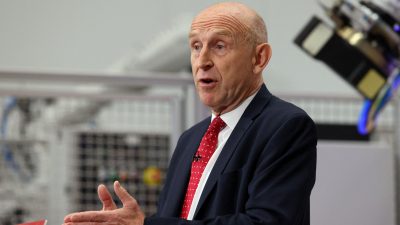
Healey Rules Out Capital Gains Tax Rise Ahead of First Budget
Constantvpn.com – John Healey has moved to dampen speculation over a possible increase in Capital Gains Tax, saying he will not raise the levy when he delivers his first Budget next week. The decision places clear distance between the chancellor and some prominent Labour voices who had argued for capital gains to be taxed more heavily.
Capital Gains Tax, commonly known as CGT, is charged on profits made from selling assets that have risen in value. It can apply to shares, investments and second homes, though it does not normally cover a person’s main residence. The tax has long been politically sensitive because its rates have generally been lower than those applied to income.
Healey’s position reflects concern that a sharp change could discourage investment or lead wealthy taxpayers to delay asset sales. There have also been warnings that higher rates might encourage some high-value investors to leave the UK, potentially reducing rather than increasing the money raised for the Treasury.
Focus on confidence and investment
The chancellor has repeatedly stressed the importance of making Britain an attractive place to build businesses and create wealth. His approach ahead of the Budget suggests he sees investor confidence as a central part of that objective.
For households and businesses with investments, the announcement offers an early indication that the government does not intend to equalise Capital Gains Tax with income tax in this Budget. Such a move would have represented a substantial policy shift, since income is typically taxed at higher rates.
That distinction matters for people planning to sell assets. A change to CGT can influence the timing of sales, investment decisions and the way business owners plan for succession or retirement. By ruling out an increase, Healey has removed one major area of uncertainty in the run-up to the fiscal statement.
“The wrong message to business”
Warnings over the potential economic consequences of a higher capital gains charge have come from within Labour’s wider political orbit. Lord Jim O’Neill, a former adviser to Andy Burnham and former chief economist at Goldman Sachs, has argued that increasing the tax would send “the wrong message to business”.
Burnham, who became prime minister in July, has faced pressure from competing sides of the debate. Supporters of a higher CGT rate have presented it as a question of fairness, arguing that gains from assets should be treated more similarly to earnings from work. Critics contend that the comparison is too simple, particularly where investments involve risk, long holding periods or business creation.
Labour figures had backed a tougher approach
Several senior Labour figures had previously expressed support for reform. Louise Haigh, now Burnham’s first secretary of state, had said capital gains should move closer to income tax rates before entering her current role. Wes Streeting, now defence secretary, called in May for a “wealth tax that works” after stepping down from a ministerial post in the government led by former prime minister Sir Keir Starmer.
Those interventions kept the issue high on the political agenda, particularly as the government considers how to fund its wider spending priorities. Yet Healey had already indicated that he would not bring CGT into line with income tax, and his latest statement goes further by excluding an increase altogether for the forthcoming Budget.
The choice does not settle the larger debate over how wealth should be taxed. Capital Gains Tax remains an important part of the wider tax system, and future Budgets could revisit the balance between revenue raising, investment incentives and fairness between different kinds of income. For now, however, the chancellor appears determined to avoid a measure that could unsettle investors at a crucial moment for the economy.
Budget pressure continues on spending and borrowing
Attention will now turn to the other measures likely to feature in next week’s Budget. The government faces difficult choices over public spending, taxation and borrowing, while also seeking to support economic growth.
Opposition leader Kemi Badenoch is expected to use a pre-Budget speech on Tuesday to argue that ministers should abandon their spending plans and borrow less. That intervention will sharpen the wider argument over whether the government’s fiscal strategy can deliver stronger growth without placing an excessive burden on taxpayers or public finances.
Banking is also expected to remain under scrutiny, with expectations that lenders could face higher taxes in the Budget. Any such measures would form part of a broader package in which the Treasury must weigh the need for additional revenue against the potential impact on investment, lending and confidence.
For Healey, the decision on Capital Gains Tax is therefore more than a narrow technical tax announcement. It signals the kind of message he wants the Budget to send: that the government intends to pursue its economic plans while maintaining Britain’s appeal to investors, entrepreneurs and people considering where to place their capital.
Related Reading
Frequently Asked Questions
What is Chancellor rejects calls to raise Capital?
Chancellor rejects calls to raise Capital is the main topic of this guide. The article explains the context, practical details, and next steps readers should understand.
Why does Chancellor rejects calls to raise Capital matter?
Chancellor rejects calls to raise Capital matters because readers are looking for a useful answer, not just a short summary. Good content should match search intent and help them decide what to do next.