Butterfly numbers are dropping but here are five species you may see more of
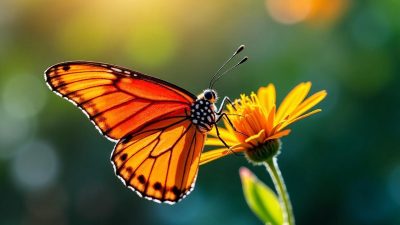
Butterfly numbers are dropping but here are five species you may see more of
Over the past 50 years, the UK has experienced a gradual rise in temperatures, fueled by climate change, which has enabled certain butterfly species to thrive. Yet, the broader trend paints a concerning picture. Long-term data reveals that several of the UK’s iconic butterfly species are experiencing significant population declines. These insights stem from the UK Butterfly Monitoring Scheme (UKBMS), a major citizen science initiative that has amassed over 44 million records from 782,000 volunteer surveys since 1976.
A growing divide among species
The survey highlights a split between butterflies that adapt well to changing environments and those dependent on specific habitats. Species like the Red admiral, for instance, are now overwintering in the UK, a shift linked to warmer weather. Comma butterflies, known for their frayed wing edges, have seen population growth since the project began. Meanwhile, the Orange tip has increased by more than 40% over the same period.
“Most British butterflies reach their northern range limit in the UK, so they have opportunities to expand further north into northern England and Scotland,” says Prof Jane Hill, a butterfly expert at the University of York.
Conservation efforts have also helped the Black hairstreak, a rare UK butterfly, recover. The Large Blue, once extinct in 1979, is another success story. However, species tied to niche habitats—like woodland clearings or chalk grasslands—are struggling. Their decline is accelerating as these environments face threats from land use changes and habitat fragmentation.
Challenges for specialists
Some losses are severe. The white-letter hairstreak, whose caterpillars emit a glow under UV light, has plummeted by 80%. The pearl-bordered fritillary, a vibrant orange-and-black butterfly, has also declined by 70%, as its caterpillars rely exclusively on violets for sustenance. Even among adaptable species, the outlook is mixed. The small tortoiseshell, once common, has dropped by 87%.
“Just as we have lost family-run shops and traditional skills from the nation’s high streets, we’ve lost variety and diversity in the butterfly communities that can exist in our damaged and simplified landscapes,” notes Prof Richard Fox, head of science at Butterfly Conservation.
The scale of this dataset reflects a massive public contribution. Volunteers have traversed over 932,000 miles across more than 7,600 sites, providing critical insights. Steve Wilkinson, director of the Joint Nature Conservation Committee, emphasizes the importance of this effort. “Without this evidence timeline, we would be flying blind,” he says. “Understanding where conservation efforts are making a real difference and where we need to strengthen efforts depends entirely on the quality and continuity of data our volunteers make possible.”
Conservation work now prioritizes preserving and expanding habitats essential for butterflies. This includes countering the effects of agricultural intensification and environmental degradation. Some species, like the Duke of Burgundy and purple emperor, face extra challenges due to their strict dietary needs—relying on plants such as primroses or willows. Butterfly Conservation’s Magdalen Hill Downs reserve, for example, strives to maintain diverse ecosystems to support these specialized needs.
