
Software Fault Behind Major UK Air Traffic Disruption
Constantvpn.com – A fault in a key air traffic control system brought serious disruption to flights across the United Kingdom earlier this month, cancelling more than 2,000 services and affecting hundreds of thousands of travellers. The national air traffic service, Nats, has identified a software defect as the cause of the failure.
The technical problem developed almost instantly. Nats said the defect occurred within a millisecond and resulted in corrupted data being generated by the system responsible for supporting the management of UK airspace.
Although the immediate fault was brief, its impact spread far beyond that moment. Aircraft, flight crews and passengers were left in the wrong places, creating a logistical backlog that took days to unwind. Flights serving major airports, including Heathrow, Gatwick, Luton and Glasgow, were among those affected.
Passengers Face Cancellations and Long Delays
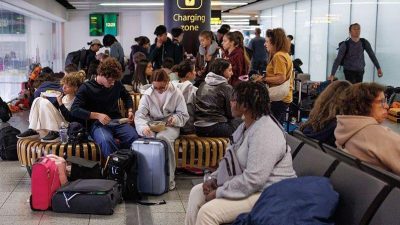
The outage left travellers facing cancelled departures, lengthy waits and uncertain plans. Some passengers spent the night on airport floors, while others found themselves stranded abroad as airlines worked to reorganise schedules and find available seats.
Air travel depends on tightly timed rotations of aircraft and crew. When a large number of flights are stopped or delayed at once, the disruption can continue even after the original technical issue has been resolved. Planes may be at the wrong airport for their next service, and crews can be out of position for future duties.
The scale of the incident has also prompted frustration over the support offered to affected customers. Many passengers are unlikely to receive compensation because aviation regulators may regard an air traffic control system failure as an extraordinary circumstance, rather than an issue directly within an airline’s control.
Safety Was Not Compromised, Nats Says
Nats stressed that safety remained its overriding responsibility throughout the incident. Its systems are designed to ensure aircraft movements are handled safely, even when normal operations are disrupted.
“I would like to apologise again, very sincerely, to everyone who was affected last week,” Martin Rolfe said.
“It’s our job to get people where they want to go, quickly and without delay and we are devastated when that goes wrong.
“However, our primary role is to keep our skies safe, and everyone who flies through them. At no point last week was safety in question.”
The incident has nevertheless raised difficult questions about the resilience of technology used to manage one of Europe’s busiest and most complex airspaces. Airlines have also questioned whether Mr Rolfe should remain in his role as chief executive.
Review Focuses on Why the Defect Was Not Found Earlier
An initial Nats report placed the fault in the software underpinning the management of UK airspace. Attention is now likely to focus on how the defect entered the system, why it was not detected before it affected operations, and what changes may be needed to reduce the risk of a repeat event.
Transport Secretary Heidi Alexander said the disruption had been unacceptable for passengers, airlines and airports. She said there was an urgent need to establish why the issue had not been identified and corrected before it led to widespread travel problems.
“It’s clear we need to urgently understand why this issue was not discovered and fixed before it caused chaos,” she said.
A Civil Aviation Authority review is under way. That process will examine the episode and is expected to help determine whether operational procedures, technical safeguards or oversight arrangements need strengthening.
The government had already ruled out a cyber attack as the cause of the failure. The Ministry of Defence also rejected a claim last week that a military aircraft had triggered the disruption.
Why a Short Failure Can Cause Days of Problems
The event illustrates how a brief interruption in aviation infrastructure can have a prolonged effect on travellers. Air traffic control systems do not simply manage individual flights; they help coordinate the safe and orderly movement of many aircraft travelling through shared airspace. When that process is restricted, airlines cannot maintain their planned pace of departures and arrivals.
For passengers, the consequences may extend beyond a missed flight. Connections can be lost, accommodation plans may change and journeys can be delayed by several days when replacement seats are limited. Airports must also manage unexpected crowds, while airlines need to reposition aircraft and crew before normal schedules can resume.
Nats has apologised for the disruption, while the continuing review will seek answers on the software failure and the safeguards surrounding it. The central issue for travellers and the aviation industry is whether the lessons from this incident can improve the reliability of systems that keep the UK’s airspace moving safely.
Related Reading
Frequently Asked Questions
What is Flight chaos caused by software defect?
Flight chaos caused by software defect is the main topic of this guide. The article explains the context, practical details, and next steps readers should understand.
Why does Flight chaos caused by software defect matter?
Flight chaos caused by software defect matters because readers are looking for a useful answer, not just a short summary. Good content should match search intent and help them decide what to do next.