
We Survived Aberfan. We Were Told to Forget
Constantvpn.com – We survived the Aberfan disaster as eight-year-olds who had no idea that morning would end their childhood forever. On 21 October 1966, Janett Bickley fought her mother over getting dressed — she was still weak from pneumonia and wanted to stay in bed. She lost the argument, walked to Pantglas Junior School in south Wales, and sat down in class. Minutes later the colliery spoil tip above the village collapsed, hurling a wall of coal slurry across the schoolyard. Fourteen-four people died that morning; one hundred sixteen of them were children.
Janett was buried under tonnes of wet waste. A classmate dug her out. She scrambled through broken timber, lined up with other pupils, and was pulled through a window to safety. When she reached home, she discovered she was the only child on her street who had come back.
The Silence That Followed
No one in the village talked. Families absorbed a single, unspoken rule: if you lived, you kept quiet. Janett remembers being told, flatly and without softening, that she should never speak of what had happened again.
“We were lucky. ‘You lived, don’t speak about it ever again.’ It wasn’t discussed at all. We were way into our 30s or 40s before we even talked about it for the first time together.”
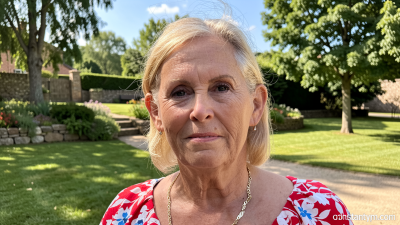
Denise Morgan, another survivor, carried the silence from a different wound. She had just passed the eleven-plus and started grammar school when her younger sister Annette was killed in the collapse. The household shattered. When Denise eventually sat her O-level examinations, she failed every paper except one. Both girls were referred to a psychiatrist in the aftermath, yet even in those clinical sessions the disaster was never named. The children were steered forward, not back. The seal held for decades.
Cracking the Seal
It took adulthood and scattered former classmates reaching out to one another before the dam finally broke. Denise described the first shared testimony as something close to healing.
“When we finally broke that seal of talking about it, it healed us, in a way.”
The aftermath was uneven. Some residents carried the trauma openly for years; others rebuilt outwardly successful lives. The divide was visible in the village itself. Denise observed that you could see, in some people, that they had come through it, while others suffered silently for many years.
For Janett, survival carried a debt. She has spoken openly about feeling she owed something to the community simply because she was still alive.
“I’ve always wanted to do something to pay back to the community because I think I owed something, because I lived.”
That impulse was not unique. Many survivors channelled their experience into sustained public service — teaching, charity work, community organising, civic leadership. Denise, inspired by her Pantglas teachers before the disaster, had decided at eleven that she wanted to become an educator. Grief derailed her academic progress, but she persisted. She qualified as a teacher, rose to headship of a school, and was later appointed an MBE for services to education. Much of her career centred on children from disadvantaged backgrounds, and she used her own story as a teaching tool.
“I often told my story to schoolchildren: ‘You can be anything you want to be.'”
Looking back now, Denise still thinks of the teachers who died that morning — the adults who threw themselves into the wreckage to pull children free. “They all helped to save many of the children that are alive today,” she said. Jeff Edwards, who was among the final children extracted alive from the school, confirmed that survivors have since been contacted in the wake of other mass-casualty events, including Hillsborough, to share what they learned about communal grief and recovery.
Frequently Asked Questions
How many children died in the Aberfan disaster?
One hundred sixteen children and twenty-eight adults were killed on 21 October 1966, bringing the total death toll to 144.
Why were survivors told not to talk about the disaster?
Families across the village adopted an unspoken rule that those who lived should not speak publicly about what happened. Survivors report being told directly, without apology, to keep silent. Many did not discuss the event with one another until their thirties or forties.
What did survivors do with their experience afterward?
Many entered teaching, charity work, and community leadership. Denise Morgan became a head teacher and received an MBE for services to education. Survivors have also been approached by other communities after mass-casualty events to share lessons on collective grief and recovery.