
Six Million Return: “I’ve Never Been to Afghanistan”
Constantvpn.com – “I’ve never been to Afghanistan.” The sentence, uttered by a young mother stepping off a packed bus at a dusty border checkpoint, sums up a crisis of staggering proportions. Since the Taliban reclaimed Kabul in August 2021, the UN refugee agency tallies roughly six million Afghans pushed back across the country’s borders from Pakistan and Iran. Approximately one million of those arrivals occurred in the current year alone. Charlie Goodlake, UNHCR’s spokesperson based in Afghanistan, describes the scale as unprecedented in modern history.
“In a little under three years, we’ve seen six million people — a population the size of a small country — come back to Afghanistan. We’ve never seen in recent history a return movement on this scale.” — Charlie Goodlake, UNHCR
Goodlake spoke from a makeshift camp of tarpaulin and plastic shelters near the crossing, many already shredded by wind and sun. Built by UN partners to give arriving families a few nights’ cover, the structures serve no purpose beyond the checkpoint itself; most families have nowhere else to go.
Zero Point: Where Strangers Cross Home
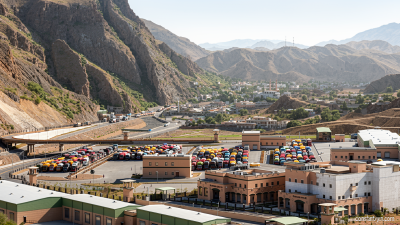
The Torkham crossing, locally called “Zero Point,” churns with exhausted bodies. Elderly men lean on crutches. Children clutch chickens salvaged from homes they will never re-enter. Taliban flags in black and white hang over registration counters where families queue to be processed into a country most of them have never known.
Nazia, 35, stepped off the bus minutes before being approached. She was born on the Pakistani side of the border. Nearly her entire extended family — eight sisters and their children — were expelled this year, some from Pakistan, others from Iran. She walked toward the registration desks with two small children trailing behind her.
“It feels good to be in my own country,” she said, then paused. “But I’ve never been to Afghanistan before, and many people here don’t even have enough bread to eat.”
Decades of Outward Flow, Now Reversed by Force
For generations Afghans crossed into Pakistan and Iran for work or to escape successive wars. After the Taliban’s August 2021 takeover the flow accelerated sharply, and both neighbours have since turned the tide with aggressive crackdowns on undocumented migrants. The UN and human-rights groups warn the sweeps have expanded well beyond the undocumented to include Afghans holding formal registration documents. Pakistan’s foreign ministry has publicly stated that holders of Proof of Registration cards are no longer exempt from removal.
Every family encountered at the crossing described prejudice and harassment by Pakistani authorities. The government did not answer direct questions from journalists, though a foreign-ministry spokesman told an Islamabad briefing that the state “undertakes the necessary measures to prevent any instance of harassment or maltreatment of Afghan nationals in Pakistan” and that any incidents are “sporadic and are dealt with fully in accordance with the law.”
“I Left 45 Years Ago”
Sarwar arrived days earlier in a convoy of forty relatives — seven brothers and their families — their accumulated belongings crammed into a lumbering Pakistani lorry. He departed Afghanistan forty-five years ago during the Soviet invasion. Most of his brothers were born on Pakistani soil.
“We spent a long time there, so of course I felt heartbroken when they forced us out of our home. But, despite all that pain, I am also happy because I am finally free of harassment by Pakistan’s police.”
Escalation and the Iranian Dimension
Both Islamabad and Tehran argue the era of Afghan migration is over, citing perceived security risks and fiscal strain. From Pakistan, expulsions and alleged abuses intensified after a major military escalation between the two countries last October. In February, Human Rights Watch documented “door-to-door raids, late-night home searches and arrests without warrants” targeting Afghan communities.
In Iran, which last year claimed to host more than four million undocumented Afghans, mass deportations accelerated following the country’s twelve-day war with Israel and the United States in June 2025. The New York-based Centre for Human Rights in Iran accused Iranian authorities of exploiting the post-war atmosphere to “cast suspicion on Afghan migrants — accusing them of espionage and branding them as potential spies for Israel.”
Frequently Asked Questions
How many Afghans have been returned since 2021?
UNHCR estimates approximately six million people have been repatriated from Pakistan and Iran since the Taliban’s August 2021 takeover, with roughly one million arriving in the current year alone.
What is the Torkham crossing?
Torkham, locally nicknamed “Zero Point,” is the principal land border crossing between Pakistan and Afghanistan. It is where most of the current repatriation traffic is processed.
Are documented Afghans also being deported?
Yes. Pakistan’s foreign ministry has stated that holders of Proof of Registration cards are no longer exempt from removal, and human-rights organizations report that sweeps have expanded beyond the undocumented population.
What is happening in Iran?
Iran, home to more than four million undocumented Afghans, accelerated mass deportations after its twelve-day conflict with Israel and the United States in June 2025. The Centre for Human Rights in Iran alleges authorities have branded Afghan migrants as potential Israeli spies.