Thirty Years After Tupac Shakur’s Death, a 2008 Police Recording Becomes the Heart of a Las Vegas Murder Trial
Constantvpn.com – The killing of rapper Tupac Shakur in September 1996 became one of American popular culture’s most enduring unsolved mysteries. For three decades, fans, journalists, and investigators have circled the case without a definitive answer. Now, in a Las Vegas courtroom, a decades-old police interview is being played back to jurors, and its contents are reshaping how the public understands who pulled the trigger in a drive-by shooting that ended the life of a 25-year-old superstar.
The Charge and the Defendant
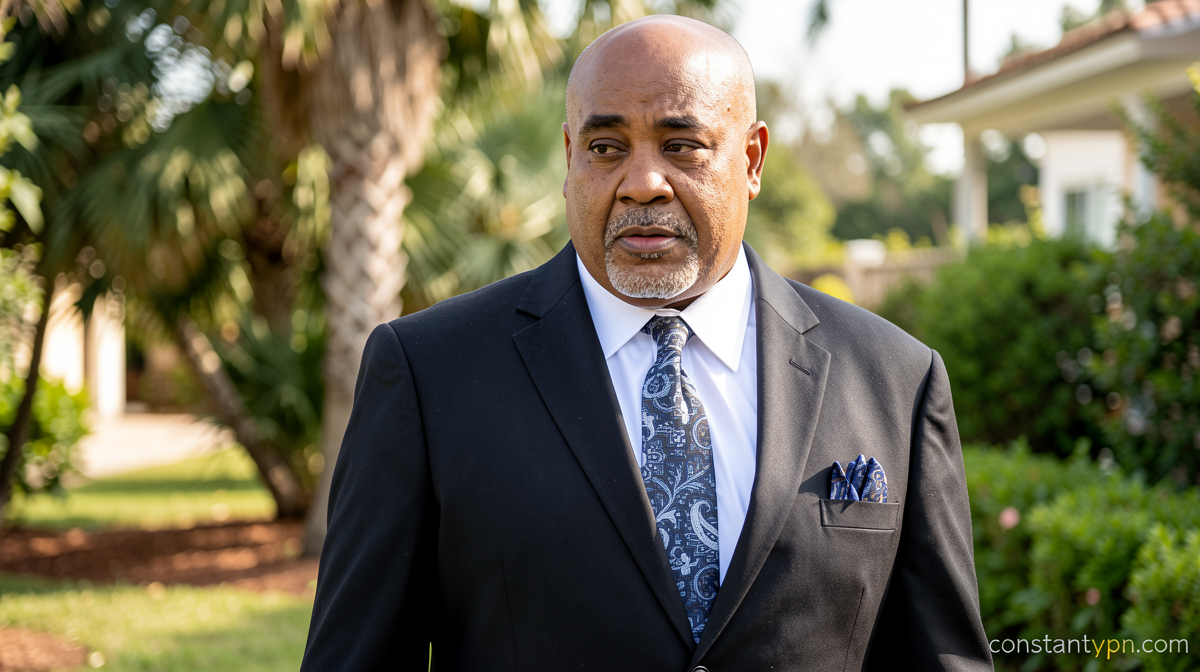
Duane “Keffe D” Davis, 63, stands accused of one count of murder with a deadly weapon. Prosecutors maintain that Davis did not personally fire the shots that killed Shakur on the night of September 7, 1996, but that he orchestrated the attack and supplied the firearm used. Davis, who helped lead a gang in the Los Angeles area, has entered a not-guilty plea. His attorney, Michael Sanft, has told the jury that his client’s earlier statements about the shooting cannot be trusted and should carry no weight.
What the 2008 Recording Reveals
On Thursday, jurors heard an audio recording of a police interview conducted in 2008. At the time, Los Angeles Police Department detectives Daryn Dupree and Greg Kading were investigating the death of another rapper, Christopher Wallace, known as The Notorious B.I.G. During that separate inquiry, they questioned Davis about the Shakur killing.
In the recording, Davis described being a passenger in a Cadillac that pulled alongside the vehicle Shakur was riding in. He recounted passing his gun back to Deandre “Big Dre” Smith, who declined the weapon. According to Davis’s account, Orlando Anderson — Davis’s own nephew — then took the firearm from the back seat and opened fire on the rapper.
“Yeah, if we would’ve been on my side, I would’ve blasted,” Davis said during the interview, as captured in the court transcript.
Anderson had died roughly a decade before that 2008 conversation and had publicly denied any role in Shakur’s murder during his lifetime. His death means he cannot now testify or clarify his account.
The Motive Prosecutors Describe
Prosecutors allege the shooting was planned in retaliation. Hours before the drive-by, Anderson had been involved in a physical altercation with Shakur at a Las Vegas casino. Davis, they argue, believed the assault on his nephew could not go unanswered and arranged the retaliatory shooting that same evening.
In a 2019 memoir co-authored under the title Compton Street Legend, Davis wrote about that casino incident with visceral anger:
“Them jumping on my nephew gave us the ultimate green light to do something to their ass.”
The book also contained a passage in which Davis claimed he was inside the vehicle when Shakur was shot and that he “tossed” the gun into the back seat. However, Davis has since distanced himself from the memoir, telling people close to him that he did not write all of it and that certain passages were fictionalised to boost sales.
The Question of the Detective’s Promise
During the 2008 interview, Detective Kading reportedly told Davis: “Nothing you say today can be used against you.” Prosecutors argue that any informal assurance of that kind was rendered meaningless once Davis later published his version of events in the memoir, effectively going public with details that had been shared under the expectation of confidentiality.
The Combs Connection
The interview also surfaced a thread linking Davis to Sean “Diddy” Combs, the Bad Boy Records mogul. Davis told the detectives that he had spoken repeatedly with Combs about killing Shakur. The detectives pressed him on specific tour stops — San Diego, Anaheim, Irvine, and Las Vegas — where such conversations allegedly took place.
“Which of those four is it when you talk to him about murdering Tupac?” Kading asked, according to the transcript shown in court.
“It was really about both of them, yeah, either one of them,” Davis responded.
“Tupac and Suge?” Kading asked, referring to Marion “Suge” Knight, the Death Row Records founder who was seated with Shakur in the vehicle during the shooting.
“Yeah,” Davis said.
Representatives for Combs did not immediately respond to requests for comment on the trial’s latest developments.
The Defense Case
Sanft has pressed the jury to demand corroboration for every claim Davis made in interviews or in print. He posed a pointed question to jurors earlier in the trial:
“What facts do you have to support any of what Keffe D said in any of his interviews or the book?”
Sanft continued, urging the jury to consider whether repeating unverified statements could constitute a basis for a murder conviction. He characterised the prosecution’s witnesses as unreliable and described the original police investigation as riddled with procedural problems. A former Las Vegas homicide detective testified earlier in the week that no eyewitnesses had been able to identify the shooter with certainty.
Why This Trial Matters Beyond the Courtroom
The Shakur killing has occupied a peculiar space in American memory for thirty years — simultaneously a confirmed homicide and an unresolved one. No one has ever been convicted of the crime. The case has spawned documentaries, books, fan theories, and periodic police reviews. For Shakur’s family, his fans, and the broader hip-hop community, a trial that reaches a verdict — guilty or not — would close a chapter that has remained open since that September night in Las Vegas, when a Cadillac pulled alongside a black SUV and gunfire shattered the career of one of the most influential artists of his generation.
Related Reading
Frequently Asked Questions
What is Tupac murder accused told police in 2008?
Tupac murder accused told police in 2008 is the main topic of this guide. The article explains the context, practical details, and next steps readers should understand.
Why does Tupac murder accused told police in 2008 matter?
Tupac murder accused told police in 2008 matters because readers are looking for a useful answer, not just a short summary. Good content should match search intent and help them decide what to do next.
