Britain Marks Its First National Day for Terrorism Victims and Survivors
Constantvpn.com – On 21 August, the United Kingdom will observe its inaugural national day dedicated to victims and survivors of terrorism — a fixture that mirrors long-standing commemorations already established across several European nations. The government has framed the occasion as a moment to honour those directly impacted by terror attacks: the dead and their families, eyewitnesses, and the emergency workers who respond in the aftermath. At the heart of this year’s programme sits a London event scheduled for Friday afternoon, featuring a two-minute silence in memory of those killed and spoken tributes from people whose lives were altered by terror. The Home Office has indicated that future editions will rotate to venues throughout the country, broadening geographic access to the commemoration.
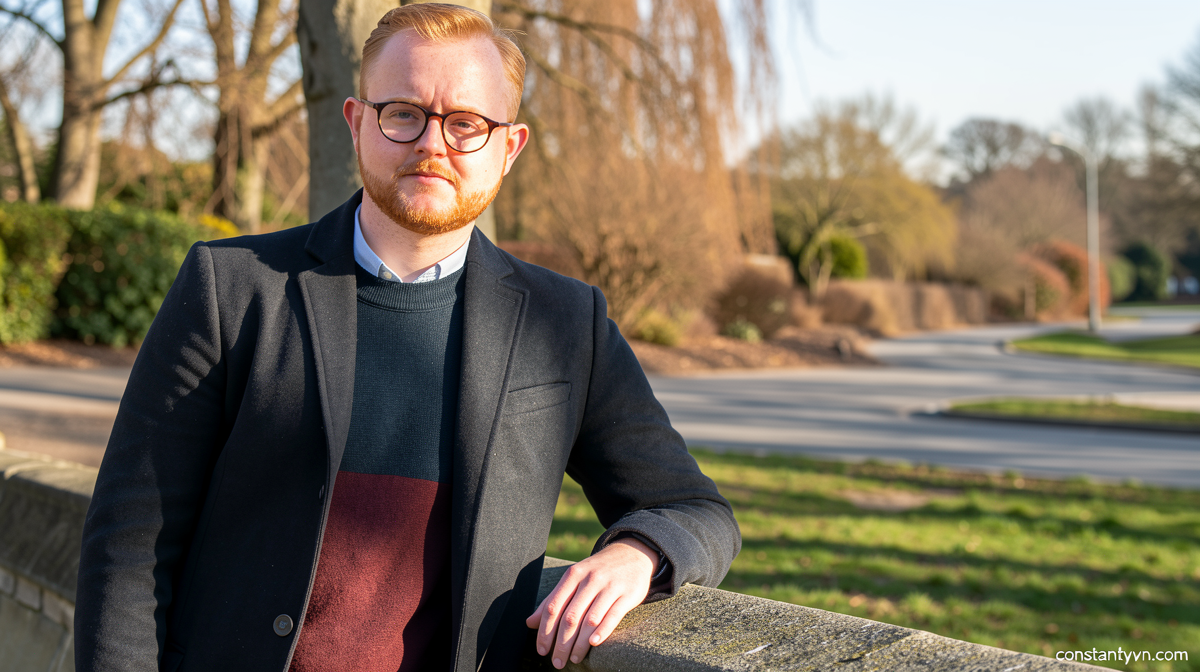
For those who have lived through an attack, the day carries a weight that goes beyond ceremony. Travis Frain, now 28, spent nearly five years pressing for precisely this kind of formal recognition. His campaign was born from a single, shattering afternoon in March 2017, when he was 19 years old and travelling to London on a university trip with classmates from Edge Hill University.
The Afternoon Everything Changed
Frain had been photographing Big Ben and texting the image to friends when the scene around Westminster Bridge turned violent. He recalled the moment with stark clarity:
“One of the guys in my group shouted ‘look out’ and as I looked up from my phone the terrorist’s car was in front of me. It was a split second really before the car hit me. I went over the bonnet, into the air, before landing back on the ground.”
The driver was Khalid Masood, who on 22 March 2017 ploughed his vehicle into pedestrians along the bridge before alighting and stabbing a police officer to death outside the Palace of Westminster. Four members of the public were killed. Frain sustained multiple injuries, most notably a fractured leg that required two years of recovery before it fully healed. During his hospitalisation, Charles — then Prince of Wales — visited him bedside.
“There will always be a part of you affected by that attack,” Frain said.
Why a Dedicated Day Was Needed
The Westminster Bridge killing came barely two months before another devastating strike: the Manchester Arena bombing at an Ariana Grande concert in May 2017, which left 22 people dead. Together, those attacks — alongside others at London Bridge, Finsbury Park, and Fishmonger’s Hall — underscored how frequently ordinary Britons were drawn into the crosshairs of terror.
Frain argued that memorials and public recognition for terror victims “often go under the radar” compared with other categories of loss. He stressed the moral obligation of collective remembrance:
“As a society, it is right and morally correct that we should be remembering those lost to terrorism.”
He also emphasised that victims are rarely chosen as isolated individuals. They are, in his words, targeted as “representatives of something far greater — the nation, the nation’s values; the values we’re all meant to hold I’m sure.” The day, he added, should also encourage citizens to “keep an eye on each other” because “we all have a role to play” in preventing future attacks.
Compensation Gaps and Calls for Accountability
The national day emerged from a Home Office review that concluded many survivors were not receiving adequate ongoing support. Yet campaigners insist the commemoration must be paired with concrete policy change. A report published on Friday by Survivors Against Terror (SAT) found that while psychological support pathways had improved since the review, the state compensation mechanism administered by the Criminal Injuries Compensation Authority had seen no meaningful reform.
Brendan Cox, SAT co-founder and husband of MP Jo Cox — murdered by a neo-Nazi in June 2016 — welcomed the day but urged that it also serve as “a moment of accountability.” He described the compensation process as dehumanising, noting that a survivor may claim only for the first three injuries sustained, even if dozens of fragments of shrapnel remain embedded in the body.
“We’re not talking large sums of money, we’re talking about a process that dehumanises people where if you’re a survivor of a terror attack, you can only claim for the first three injuries you have despite the fact you might have 80 or 90 or 100 pieces of shrapnel in your body,” Cox said.
Lisa Ghiggini, who survived the 2019 Fishmonger’s Hall attack in London, added that some members of SAT still lack the resources to make basic home modifications — such as installing a downstairs toilet — after attacks that left them struggling to walk.
The Ministry of Justice, which oversees the taxpayer-funded scheme in which victims self-classify the type of incident, stated that £180 million was paid out last year across all categories of violent crime, including terrorism.
A Date Aligned with Global Remembrance
The chosen date of 21 August deliberately coincides with the United Nations International Day of Remembrance and Tribute to the Victims of Terrorism, first observed in 2017. This alignment situates Britain’s commemoration within a broader international framework of recognition.
For this debut year, the principal event will be held in London. The Home Office has invited people across the country to observe a moment of reflection at home and to share posts about the day on social media, extending participation beyond the capital.
The wider security backdrop makes the day’s message of vigilance particularly pointed. In May, the UK’s terror threat level was raised to “severe,” signalling that an attack is highly likely. In the year to September 2025, a record close to 10,000 people were referred to Prevent, the government’s counter-terrorism engagement scheme — a figure that illustrates how broadly the state now views the population at potential risk.
Frain, who has since returned to Westminster Bridge despite knowing many fellow survivors who can never again set foot in London, said the day represents a long-overdue acknowledgment that the people who endured terror deserve to be seen, remembered, and supported — not merely in the immediate aftermath, but for as long as the scars remain.
Related Reading
Frequently Asked Questions
What is My life was changed by a terror?
My life was changed by a terror is the main topic of this guide. The article explains the context, practical details, and next steps readers should understand.
Why does My life was changed by a terror matter?
My life was changed by a terror matters because readers are looking for a useful answer, not just a short summary. Good content should match search intent and help them decide what to do next.
