Scotland’s Rainy Reputation Becomes Its Most Marketable Asset
Constantvpn.com – Across much of continental Europe and the southern reaches of England and Wales, summer 2025 has delivered temperatures that push outdoor life to a standstill. Yet on a sheltered sea loch tucked into the western Highlands near Glencoe, the sky hangs low and grey, the wind barely stirs the water, and seals drift lazily beneath a canopy of cloud. Kayakers glide across the flat surface of Loch Leven without sunscreen, without sunburn, without the oppressive weight of a heatwave. For a growing cohort of travellers, that very greyness is the point of the trip.
The phenomenon has a name now: the “coolcation.” And in Scotland’s west coast, a handful of operators have stopped apologising for the weather and started selling it.
Turning a Joke into a Booking Engine
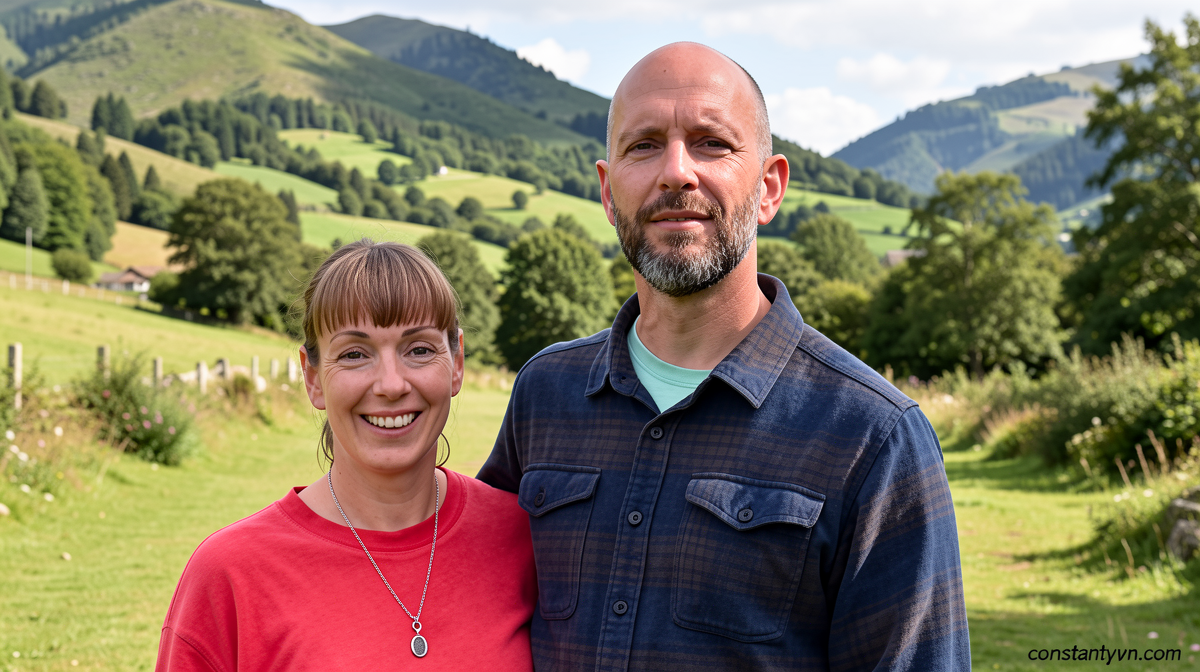
Esther and Nick Cochrane run Beside the Loch, a self-catering cottage operation set on the shore of Loch Leven. For years, the couple fielded the same quip from prospective guests: “You don’t come to Scotland for the weather.” The punchline was reliable. Then the punchline stopped landing.
Nick describes a noticeable shift in the origin of their bookings. Early adopters of the coolcation concept arrived from France, Italy, and Spain, fleeing continental heat domes. But this season the pattern has broadened sharply. Guests now book from within the United Kingdom itself, particularly from the south of England, where sustained temperatures above 30 °C have made ordinary daily life feel unworkable.
“That has been a real surprise,” Nick says of the domestic coolcation wave.
The Cochranes have responded by repositioning their entire marketing narrative. Cloud cover, drizzle, and fresh air are no longer caveats buried in the fine print; they are headline selling points. The cottages are now pitched explicitly as heat-escape destinations.
Esther recalls a recent arrival who, upon stepping off the train, asked whether rain was imminent — not as a complaint, but as a confirmation that the trip was working as intended.
“The first thing they did when they arrived at the train station was to stand in the rain. They hadn’t experienced it for two or three months in Southern England, and they loved it.”
She adds that the couple once spent years softening the weather in their communications. That instinct has reversed.
“At one point we were apologising for the Scottish weather but people now want it. It’s no longer a joke. It’s quite a serious part of their holidays.”
What the Guests Actually Want
Caroline and Christian Grant, parents from southern England, spent their summer holiday in one of the Cochranes’ cabins. Their motivation was straightforward: at sustained temperatures above 30 °C, outdoor activity collapses into sitting still and waiting for the evening.
“When it gets to plus thirty you tend to just sit around, really can’t do too much. Here you can go back to normality, doing things,” Christian explains.
Caroline highlights a smaller but genuine comfort: the ability to sleep under a duvet rather than a thin sheet, a luxury that southern English bedrooms have not afforded in months.
“We get to sleep under a duvet here. It is quite nice.”
The Numbers Behind the Grey Sky
The coolcation is not merely an anecdotal trend. Chris Greenwood, based at the Moffat Centre for Travel and Tourism within Glasgow Caledonian University, notes that early-year data for 2025 shows measurable growth in flight searches directed at Scottish destinations alongside rising international credit-card spending in the region.
Global travel-platform data reinforces the signal. Searches for cooler holiday destinations climbed by 74 percent during the first four months of 2025, a surge attributed to travellers actively redirecting bookings toward locations offering more tolerable temperatures and thinner crowds.
Outdoor Operators See the Shift Too
Rob Kingsland, who runs Rugged Coast, an outdoor adventure outfit operating out of Glencoe, has watched the demographic of his kayaking and coastal-tour clients change over several seasons. Europeans and North Americans now arrive at the west coast of Scotland with an explicit climate preference: mild temperatures, a little rain, nothing extreme.
“It’s a cracking day to be out. We’ve got very little wind, some nice temperatures. It’s perfect,” he says, paddling alongside the small islands scattered across Loch Leven.
The practical advantage, Kingsland notes, is that participants can layer up in a sweatshirt, stay active for hours, and return to shore without needing air-conditioned accommodation to recover.
“They can do activities, they can put on a sweatshirt, not have the air conditioning on.”
Economic Weight and the Overtourism Question
Tourism underpins roughly five percent of Scotland’s gross domestic product and sustains approximately a quarter of a million jobs. Millions of visitors pour billions of pounds into the economy each year, funding everything from ferry operators to mountain-bike hire to the cottage businesses along the lochs.
Yet the same influx that fills a coolcation cottage in Glencoe also pressures the infrastructure of Edinburgh, where the city recently imposed a five-percent visitor levy on overnight accommodation to manage the physical and social costs of overtourism. The tension is real: the west coast’s cooler, less crowded profile may absorb demand that would otherwise concentrate on already-saturated urban centres, but it also risks importing the very overtourism dynamics the Highlands have historically avoided.
For operators like the Cochranes, the calculus is simpler. The weather that once cost them bookings now drives them. The joke about Scottish rain has been retired, replaced by a line item on a booking confirmation: fresh air, low mercury, and the quiet satisfaction of a grey afternoon on the water.
Related Reading
Frequently Asked Questions
What is Coolcations?
Coolcations is the main topic of this guide. The article explains the context, practical details, and next steps readers should understand.
Why does Coolcations matter?
Coolcations matters because readers are looking for a useful answer, not just a short summary. Good content should match search intent and help them decide what to do next.
