When the Algorithm Decides You’re a Counterfeiter: Vinted’s Growing Ban Crisis
Constantvpn.com – The secondhand economy has become a cornerstone of British consumer life. Platforms that let ordinary people flip through unwanted wardrobes and resell them have moved from niche hobby to mainstream commerce, and nowhere is that shift more visible than on Vinted, which now claims 17 million users in the UK alone. Yet behind the convenience of a few taps on a smartphone lies an increasingly opaque moderation machine, and a growing chorus of sellers says that machine is making costly, sometimes devastating, errors.
The complaints are no longer isolated anecdotes. They have coalesced into a structured grievance, logged on a website called sadvintedfaces.com, created by freelance marketeer Catherine Warrilow after her own frustrating experience with the platform. Warrilow, exhausted by what she describes as circular exchanges with automated replies, decided to check whether others were suffering the same fate. The numbers she has gathered are substantial: 2,609 users reporting a ban or suspension, 1,618 of those facing a permanent ban, and 2,526 who say they were simply ignored when they tried to reach a human representative.
“It was the number of hours I was spending sending irate messages back to Vinted and getting what felt like automated responses, copy and paste… I was going round in circles, and I was the one losing out.”
Warrilow’s diagnosis is blunt. She believes the detection tools Vinted employs are misfiring, flagging routine price adjustments as fraud and ordinary secondhand garments as counterfeits.
“I think the automation they’re using isn’t working properly. It’s detecting fraud if you change the price of something. It’s detecting a counterfeit item for a second hand pair of Zara jeans.”
A Single Mum’s £2 Sandals
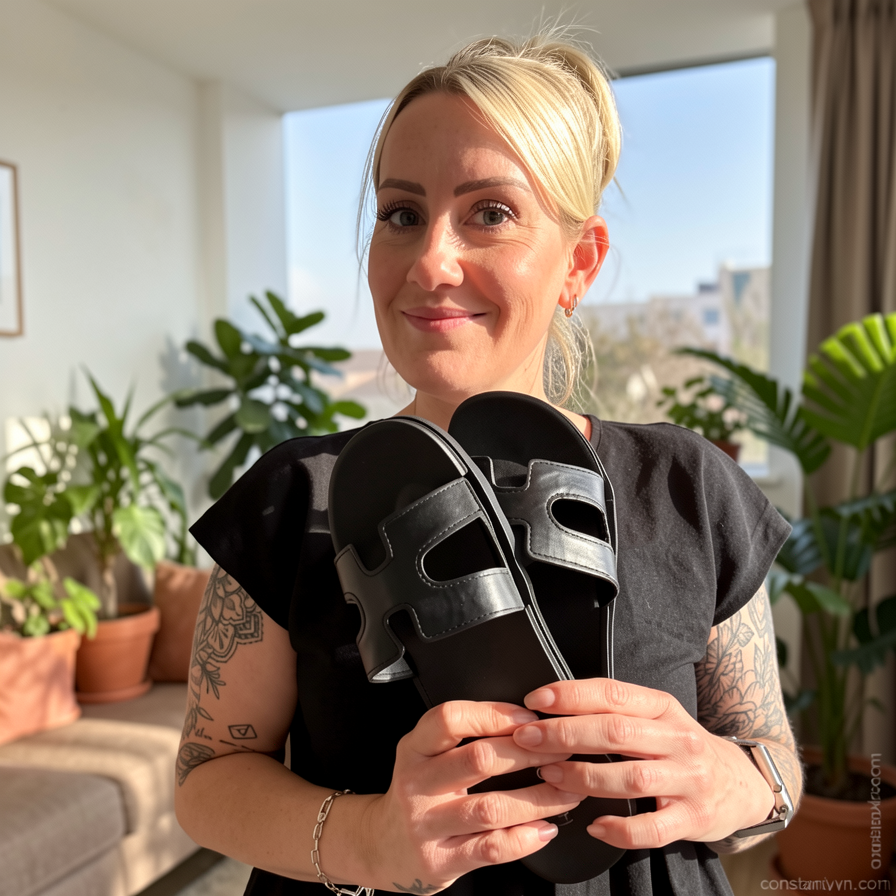
For Emma Neil, a single mother who used the platform most days to sell household items and buy clothes for her children, the ban arrived over a pair of sandals worth two pounds. She had purchased them for £3, found they did not fit, and relisted them at the lower price. Vinted’s system flagged the transaction as “fraudulent activity, such as selling counterfeit items,” and her account was permanently closed.
“I did feel like a criminal.”
Neil’s appeal to reverse the decision was rejected. She insists the sandals carried no brand marking at all.
“I don’t understand how they could say that to me…it’s just unbelievable. They weren’t specifically branded. I think they’re like a Shoe Zone make.”
The emotional toll, she says, extends beyond the lost account. After years of relying on the platform for everyday transactions, the sudden severance felt like losing a utility.
“I’m absolutely devastated because I love Vinted and I used it for so long and for so many different things…but now obviously that’s all ended.”
The Professional Seller Caught in the Crossfire
The problem is not confined to casual sellers. Matthew Connor, one of the largest professional vendors on the platform, maintains roughly ten thousand top-rated reviews and depends on Vinted for his livelihood. He noticed a spike in genuinely fake listings earlier in the year and acknowledged the company had reason to tighten its controls.
“I noticed at the start of this year, there were a lot of fake items on there. I think they panicked, rightly so…and they’ve reacted with AI.”
Yet last month the same system that was meant to protect buyers turned on him. After listing a used North Face fleece, Connor received a permanent ban citing the same boilerplate language about counterfeit sales. He had been operating for years without incident.
“I wouldn’t jeopardise my business by selling a fake. This is my livelihood. Essentially someone’s walked into my business and sacked me, removed my business from the internet with no prior warning.”
Two weeks later, following an appeal, Vinted reversed the decision and confirmed it had been a mistake. Connor was relieved, but the lost fortnight had already cost him thousands of pounds in foregone sales.
What Vinted Says
The company does not comment on individual cases. In a general statement, a spokesperson explained that its teams work daily to maintain a safe marketplace, drawing on trained moderation staff, member reports, and automated detection tools to identify breaches of catalogue rules. Where a member believes a decision was made in error, the spokesperson added, they may appeal and each case will be reviewed individually by the Member Support Team.
Consumer Advice and the Broader Question
Helen Dewdney, a consumer expert who runs the Complaining Cow website, reports a sharp uptick in enquiries about Vinted in recent months. Her assessment centres on the erosion of human access within the platform’s support structure.
“It does boil down to customer service. We know that AI makes a lot of mistakes…it’s too difficult to get to a human being… we know that people prefer people…you just ask anybody that they’re sick of all the bots.”
Dewdney advises anyone who believes they have been unfairly suspended to exhaust Vinted’s internal appeal process first. Beyond that, she recommends contacting the company’s legal team and filing a Subject Access Request, or SAR, which entitles the user to see the data and reasoning behind decisions affecting their account. Under UK data-protection law, such a request can compel the platform to disclose what information it held and how its algorithms reached a particular conclusion.
The underlying tension is familiar to any platform that has scaled from a small community into a marketplace handling millions of transactions. Automation is not optional at that volume; electronic communication with users is the only workable model. But the speed and scale that make the platform viable also strip away the contextual judgement a human moderator would apply. A £2 pair of unbranded sandals and a used fleece jacket are, to any reasonable person, plainly not counterfeits. To a pattern-matching algorithm trained to catch fraud, they apparently can be.
For the thousands of sellers now logged on sadvintedfaces.com, the question is no longer whether the system can err. It is whether the remedy—appeal, SAR, complaint to a regulator—is fast enough, accessible enough, and effective enough to protect a livelihood from a single misclassified listing.
Related Reading
Frequently Asked Questions
What is Banned over a pair of 2 sandals?
Banned over a pair of 2 sandals is the main topic of this guide. The article explains the context, practical details, and next steps readers should understand.
Why does Banned over a pair of 2 sandals matter?
Banned over a pair of 2 sandals matters because readers are looking for a useful answer, not just a short summary. Good content should match search intent and help them decide what to do next.
