Child Maintenance System Leaves Thousands of Families in Financial Ruin
Constantvpn.com – Mothers who skipped meals to keep lights on. Fathers whose accounts were inflated by children they never had. Arrears stacking up into five figures while the agency meant to resolve the dispute sat idle. Across England, Scotland, and Wales, parents on both sides of a separation are describing a child maintenance system that has pushed them to the edge of collapse.
The Child Maintenance Service (CMS), operated by the Department for Work and Pensions, exists to ensure that children of separated or divorced parents continue receiving financial support from both households. Yet the stories emerging from families caught in its machinery paint a picture of bureaucratic failure, years-long limbo, and quiet desperation.
A Mother’s Descent into Food Banks
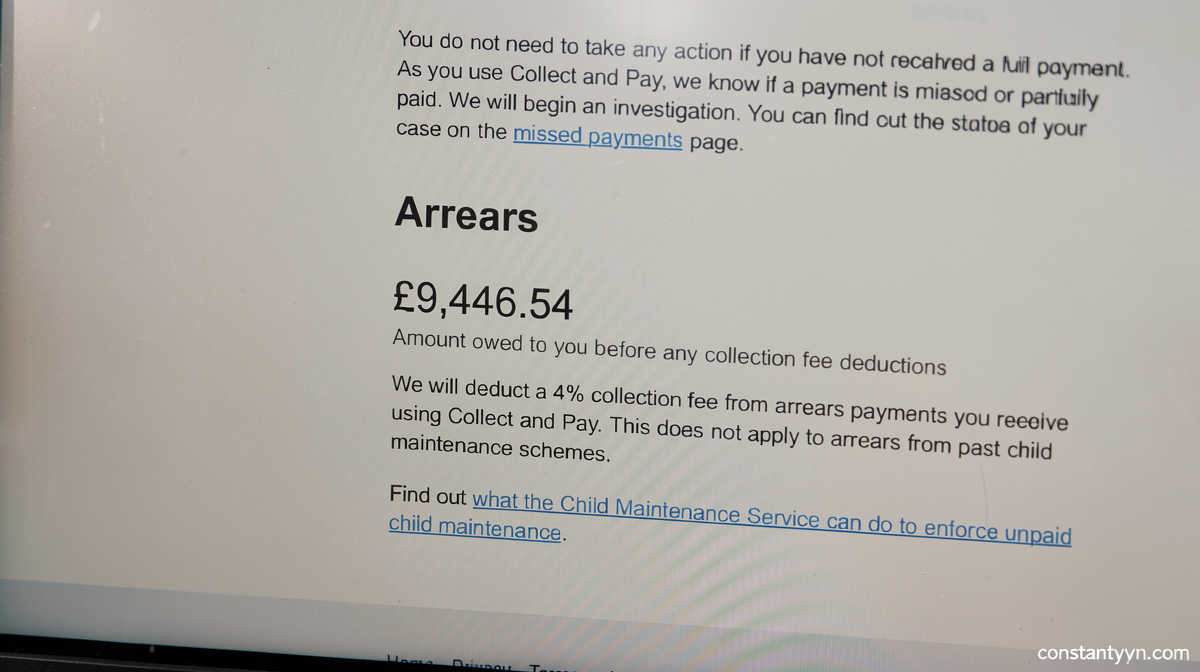
Katy split from her partner more than three years ago, leaving two children in her primary care. The pair could not agree on how much the father should contribute, so she turned to the CMS for intervention. Her ex-partner was assessed at owing more than £330 per month. He has not paid. The accumulated arrears now stand at nearly £10,000.
“Last year, I was really struggling. I did go to food banks… there’s been occasions where I’ve wanted the kids to be able to do more, more clubs, do stuff with their friends. I’ve had to say no, I feel terrible.”
Another mother, whose ex-partner had been abusive before stopping payments entirely, described being forced to skip meals to stretch whatever income remained. A father told investigators that years of disputes with the CMS had driven him to the brink of breakdown, including after the agency added a child to his account who was not his. In one case, a parent was charged £20,000 in maintenance they did not owe.
Scale of the Problem
Approximately four million children in England, Scotland, and Wales have parents who are separated. By law, a maintenance arrangement must be in place when a child is under 16, or under 20 if enrolled in approved education or training. Both parents bear responsibility for the costs of raising their children regardless of how much time they spend with them.
The CMS currently oversees more than 800,000 cases across those three nations, touching the lives of over a million children. Northern Ireland operates its own separate service. Demand has surged: case numbers have climbed by roughly 300,000 over the past five years. In the first quarter of the most recent reporting period, the agency logged more than 1,400 formal complaints, according to the DWP’s latest annual report.
How the Formula Works — and Where It Breaks Down
The CMS calculates maintenance using a formula anchored to the income of the paying parent — the one who does not provide the majority of day-to-day care. It does not factor in the receiving parent’s financial position. Once an arrangement is set, the paying parent may remit funds directly, or the CMS can intervene through its Collect and Pay mechanism, deducting money from wages, bank accounts, or benefit payments.
As of the end of March 2026, approximately 350,000 cases were running through Collect and Pay. The system imposes a 20% administrative surcharge on the amount the paying parent owes and deducts 4% from what the receiving parent is entitled to receive. The agency holds statutory power to pursue arrears and can seek a court-recognised liability order to enforce a debt.
Yet enforcement has been patchy at best. In the first three months of the most recent year, virtually no payments were made in almost 61,000 Collect and Pay cases — a figure affecting some 86,000 children, per DWP data.
The Court Route: Weeks of Waiting
In Katy’s case, the CMS informed her in March of last year that it would apply for a liability order against her ex-partner, while cautioning that the court process would take 26 weeks. She marked the date on her calendar and held her breath. As the deadline approached, the promised action had not materialised, leaving her without recourse and without income for her children.
What the DWP Says
The department responsible for the CMS maintains that “in the vast majority of cases” it successfully arranges “vital payments for children.” It added that it takes “very seriously the small number of cases where things go wrong.” No timeline for remedying the specific failures described by affected families was provided.
Why This Matters
Child maintenance is not an abstract policy line. It is the difference between a child’s school uniform and a parent’s skipped dinner, between a weekend football club and a food bank queue. When the system that mediates these payments stalls, errors accounts, or imposes fees that deepen the very poverty it is meant to alleviate, the consequences land squarely on children who had no role in the dispute. With case volumes climbing and complaint figures rising, the question facing policymakers is no longer whether the CMS needs reform, but how quickly it can be rebuilt to match the scale of need it now serves.
Related Reading
Frequently Asked Questions
What is Parents pushed to breaking point by Child?
Parents pushed to breaking point by Child is the main topic of this guide. The article explains the context, practical details, and next steps readers should understand.
Why does Parents pushed to breaking point by Child matter?
Parents pushed to breaking point by Child matters because readers are looking for a useful answer, not just a short summary. Good content should match search intent and help them decide what to do next.
