The Unexpected AI Boom Reshaping Secondhand Book Markets
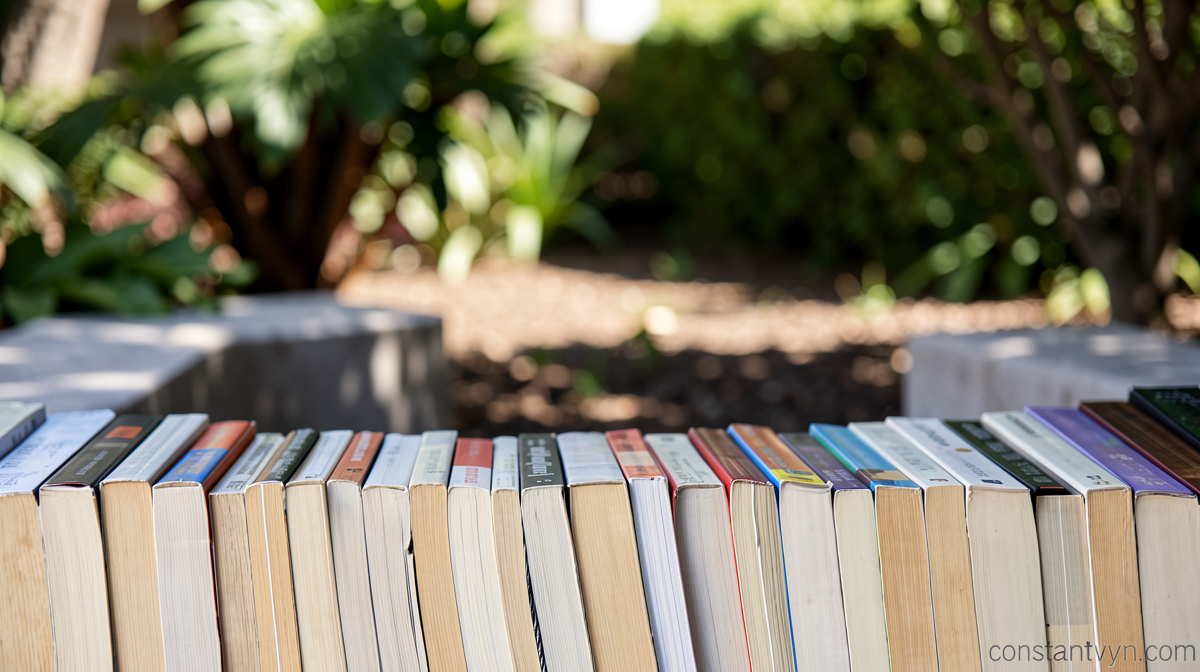
Constantvpn.com – A remarkable transformation is underway within the global secondhand book trade, as independent sellers grapple with an unprecedented surge in bulk purchases that defies conventional explanation. For months, shopkeepers from Edinburgh to Northumberland have watched their shelves empty at an alarming rate, with entire collections vanishing into mysterious shipments destined for distant warehouses. The phenomenon has left even veteran booksellers baffled by its scale and persistence.
Stuart Manley, who operates Barter Books in Northumberland, has witnessed something extraordinary. In his three decades navigating the secondhand book market, he has never encountered such dramatic purchasing patterns. Typically, his establishment moves between two and three thousand volumes each week. Yet recently, a single order from a Canadian enterprise matched what he would normally sell across an entire week. This is not an isolated incident. Booksellers spanning multiple continents have documented similar staggering orders, though the ultimate purpose behind these acquisitions remains largely unclear.
Artificial Intelligence: The Hidden Buyer
The prevailing theory suggests that artificial intelligence companies are the primary culprits behind this buying frenzy. Rather than purchasing for enthusiastic readers abroad, these firms appear to be acquiring books for a different purpose entirely—one that demands vast quantities of textual material. This hypothesis gained substantial credibility following a pivotal legal decision in the United States during 2025.
Judge William Alsup delivered a landmark ruling determining that Anthropic’s practice of purchasing books to train its artificial intelligence software did not constitute copyright infringement. The decision emerged from litigation initiated by three authors who challenged the AI company’s methods. In his judgment, Alsup characterized Anthropic’s utilization of literary works as “exceedingly transformative,” thereby permitting the practice under existing American legislation.
“Claude is trained on a mix of publicly available web data, commercially acquired datasets, and data we generate ourselves,” a company spokesperson explained regarding their training methodology.
When court records were made public recently, additional details surfaced revealing that books undergo destruction during Anthropic’s training process. The company maintains that acquiring books for this purpose represents standard industry practice. They emphasized that their data collection initiatives specifically avoid purchasing rare or antiquarian volumes for destruction.
Project Panama and Destructive Scanning
Internal communications uncovered during the Anthropic case identified an initiative dubbed “Project Panama,” which outlined ambitions to “destructively scan all the books in the world.” This methodology involves transporting volumes to specialized facilities where they can be digitized at massive scale. The process requires removing each book’s spine to enable rapid page scanning, after which the remaining materials are recycled.
Manley acknowledges that while he does not know for certain whether his customers are purchasing for Project Panama or comparable ventures run by other technology firms, the pattern is unmistakable. He describes the sales as seemingly random, lacking any discernible logic or reasoning. The titles involved range from obscure Latin manuscripts to popular cowboy fiction, suggesting that AI developers seek diverse textual sources to enhance their language models.
“A lot of mystery surrounds Project Panama,” Manley observes. “The name is new to me, but the reality of the project is not, and has been the subject of much discussion on the bookseller forums.”
Legal and Cultural Implications
Professor Emily Hudson, an intellectual property specialist at Oxford University, highlights a crucial distinction between American and British copyright frameworks. Under UK law, she explains, virtually all copying activities—including the creation of training libraries and the training process itself—necessitate authorization from copyright holders. This fundamental difference could significantly impact how British booksellers and publishers respond to the AI-driven demand.
For booksellers, the situation presents a complex dilemma. While they appreciate selling titles that have languished unsold for years, the prospect of these works being destroyed troubles many. Derek Walker, proprietor of McNaughtan’s in Edinburgh, offers a nuanced perspective on which books truly merit preservation.
“A recent academic text published in only 100 copies, 75 of which are already in libraries, may be very rare on the market – but it is perhaps not such a great loss if one copy is destroyed,” Walker notes. “But we have, and have sold, books which are for example the only known surviving example of an edition from the 18th century. It would be a much more significant problem if one like that were to be bought for destruction, having survived this long.”
David Tobin, who manages Walden Books in north London, shares similar sentiments. He finds satisfaction in moving older titles but expresses concern about their potential fate. The bookseller community continues to monitor developments closely, recognizing that this phenomenon may fundamentally alter how secondhand books are valued and preserved in the digital age.
As artificial intelligence continues evolving, the intersection of technology and traditional publishing will undoubtedly generate further questions. Whether AI companies will modify their acquisition strategies, or whether new legislation will emerge to protect literary heritage, remains to be seen. For now, booksellers worldwide watch their inventories dwindle, wondering what role their beloved volumes will play in shaping the future of machine learning.
Related Reading
Frequently Asked Questions
What is Secondhand book sales are booming Is it?
Secondhand book sales are booming Is it is the main topic of this guide. The article explains the context, practical details, and next steps readers should understand.
Why does Secondhand book sales are booming Is it matter?
Secondhand book sales are booming Is it matters because readers are looking for a useful answer, not just a short summary. Good content should match search intent and help them decide what to do next.
