Immigration Enforcement Gets Electric Upgrade: Shock Gloves on the Horizon
Constantvpn.com – U.S. Immigration and Customs Enforcement is preparing to arm its field officers with a controversial new tool designed to subdue resistant individuals without traditional restraint methods. The agency has announced plans to acquire thousands of electronic gloves capable of delivering controlled electric shocks directly through contact with the skin. This acquisition represents a significant shift in how immigration agents may approach physical confrontations during arrests and deportations.
The financial commitment is substantial. DHS documentation indicates the agency could spend as much as twenty million dollars on the Generated Low Output Voltage Emitter system, commonly referred to as GLOVE. These gloves operate at approximately three hundred eighty volts, which translates to roughly three times the electrical output of a typical American household power outlet. The mechanism is straightforward: officers press a button to activate the shock feature, with the device capable of delivering up to thirty pulses each second.
How the Technology Works
Unlike traditional tasers that fire barbs into the skin to complete an electrical circuit through the body, these gloves function differently. The electrical charge travels only through direct skin contact, meaning officers can touch clothing first and then move to bare skin—typically the wrist or elbow—if resistance continues. A built-in microprocessor records every activation, creating a digital log of when and how often the device is used during operations.
When you push the button to turn them on there’s a light that displays. The inmates understand that light, and often just seeing the light brings compliance.
Lt. Butch Gallion, an administrator at Hawkins County jail in Tennessee, explained the psychological component of the device. His facility has already incorporated the gloves into its operations, and he noted that the visual indicator alone frequently prompts cooperation from subjects. The approach relies on what Gallion describes as pain deterrence rather than pain compliance—the threat of discomfort encourages adherence without necessarily delivering maximum force.
Who Will Use the Gloves?
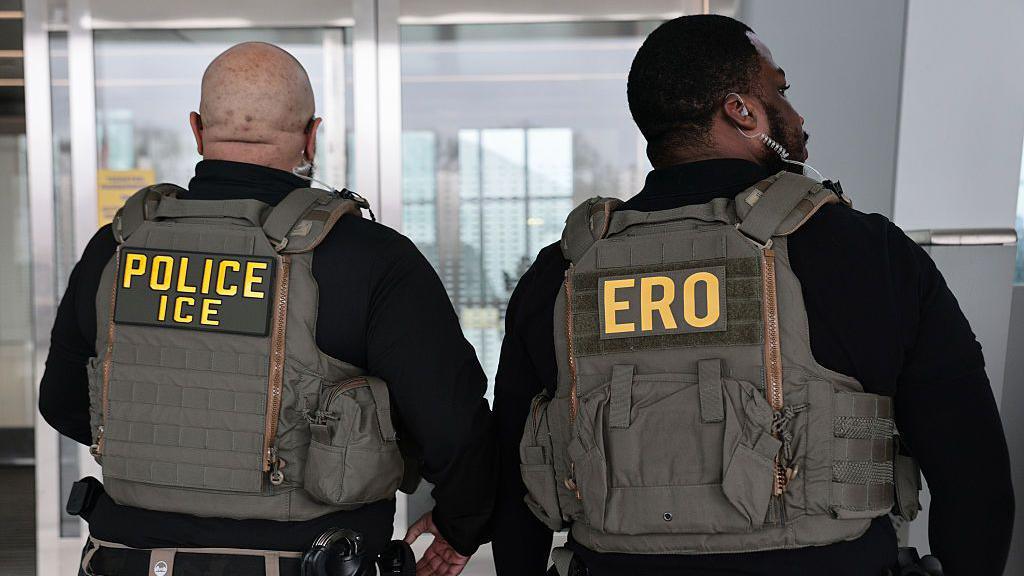
The DHS specified that two primary divisions would deploy the equipment. Homeland Security Investigations officers, who focus on transnational criminal organizations, and Enforcement Removal Operations personnel, responsible for arresting and deporting immigration violators, will both have access to the technology. A no-bid purchase contract could be finalized as early as this Friday, streamlining the acquisition process.
Compliant Technologies LLC manufactures the gloves and maintains on its website that the devices do not cause injury when used properly. The company’s user manual includes specific guidance about vulnerable populations. Officers are advised to avoid using the gloves on elderly individuals, small children, pregnant women, and severely handicapped persons. Additionally, the manual recommends having another officer present to help restrain the subject while the gloves are being applied.
Civil Rights Concerns Mount
The announcement has drawn immediate criticism from civil liberties organizations. The American Civil Liberties Union has voiced strong opposition to the planned acquisition, citing recent controversies surrounding ICE enforcement tactics. Jenn Rolnick Borchetta, the ACLU’s deputy director on policing, emphasized that the agency has demonstrated a willingness to use force with devastating consequences for both citizens and noncitizens alike.
Now they might be equipped with a device that allows them to deliver an electric shock with their hands by pushing a small button, in a move that might be imperceptible to those watching.
Borchetta’s concerns extend beyond the technology itself. She highlighted that the concealed nature of the shock delivery mechanism could make it difficult for observers to detect when force is being applied. This opacity raises questions about accountability and transparency during enforcement operations.
Context of Recent Controversies
The timing of this acquisition is particularly significant given recent high-profile incidents involving immigration enforcement. In Texas, Mexican national Lorenzo Salgado Araujo was fatally shot during an operation. Meanwhile, Colombian national Johan Sebastián Durán Guerrero was killed during an immigration enforcement action in Maine. These fatalities have intensified scrutiny of ICE tactics and contributed to growing pressure on the agency to modify its approach.
Additionally, ICE faces mounting demands to fulfill President Donald Trump’s deportation agenda, which includes meeting daily arrest targets. The combination of increased workload and public scrutiny has created an environment where agents may feel compelled to use additional tools to manage confrontations efficiently.
Broader Implications for Law Enforcement
While some law enforcement agencies have already adopted the GLOVE technology, the planned ICE purchase would represent the largest single acquisition from Compliant Technologies to date. The expansion signals a potential trend toward electronic restraint devices becoming standard equipment for federal officers.
The gloves offer several advantages over traditional methods. They allow officers to maintain physical contact while delivering shocks, reducing the need for separate restraint tools. The ability to touch clothing first and then move to skin provides flexibility in application. Most importantly, the device creates an immediate response from subjects, which can prevent escalation during volatile situations.
However, the technology also introduces new considerations regarding proportional force and appropriate use. Critics argue that electric shocks, even at relatively low voltages, could pose risks to individuals with certain medical conditions or those under the influence of substances. The lack of circuit completion through the body may reduce certain risks, but the psychological impact of receiving repeated shocks remains a factor in determining appropriate deployment scenarios.
As ICE moves forward with this acquisition, the agency will need to develop comprehensive guidelines for when and how the gloves should be used. Training programs will likely address the specific populations mentioned in the manufacturer’s recommendations, as well as situations where the device might be most effective. The success of this initiative will depend not only on the technology itself but also on how consistently and appropriately officers apply it during their daily operations.
The GLOVE represents more than just a new piece of equipment. It symbolizes a broader evolution in how immigration enforcement is conducted, incorporating technology that bridges the gap between verbal commands and physical restraint. Whether this evolution will improve outcomes for both officers and subjects remains to be seen, but the investment suggests that ICE believes the benefits outweigh the potential drawbacks of this controversial tool.
Related Reading
Frequently Asked Questions
What is ICE plans to equip agents?
ICE plans to equip agents is the main topic of this guide. The article explains the context, practical details, and next steps readers should understand.
Why does ICE plans to equip agents matter?
ICE plans to equip agents matters because readers are looking for a useful answer, not just a short summary. Good content should match search intent and help them decide what to do next.
