Moment first rare tiger in 70 years released in Kazakhstan
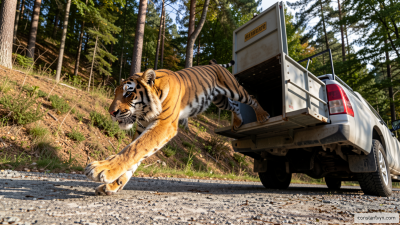
Amur Tiger Returns to Central Asia After Seven Decades
Constantvpn.com – A remarkable conservation milestone has been achieved in Kazakhstan as Umit, a female Amur tiger, was set free within the boundaries of the Ile-Balkhash Nature Reserve. This release marks a significant chapter in efforts to reestablish tiger populations across Central Asia, where these magnificent predators once roamed freely before disappearing from the region approximately one hundred years ago.
A Historic Reintroduction
Umit represents more than just another animal being returned to its ancestral home. She is one of four Amur tigers that have been carefully transferred from Russia as part of an ambitious restoration initiative. The programme aims to breathe new life into Central Asia’s tiger population, which had been completely eradicated from the region during the twentieth century. The choice of the Ile-Balkhash Nature Reserve as the release site was no accident. This protected area offers diverse terrain and adequate prey populations, providing an ideal environment for tigers to adapt and thrive. The reserve’s vast landscapes mirror the conditions that would have existed when tigers still inhabited this part of the continent.
Monitoring and Future Plans
Before any additional decisions are made regarding the remaining three tigers, Umit will undergo careful observation. Wildlife experts will track how she adjusts to her new surroundings, documenting her behavior, hunting patterns, and overall wellbeing. This monitoring period is crucial for understanding whether the conditions are suitable for the other tigers to follow. The gradual approach ensures that each animal receives individual attention during this critical transition phase. Scientists will collect data on movement patterns, territory establishment, and potential challenges Umit might face in her new habitat.
The Amur Tiger: A Species in Need
Amur tigers, also known as Siberian tigers, represent one of the world’s most endangered big cat subspecies. Native to the Russian Far East and northeastern China, these powerful predators have faced numerous threats including habitat loss, poaching, and declining prey populations. Conservation efforts have helped stabilize their numbers, but reintroduction programmes like this one offer hope for expanding their range beyond current boundaries. The success of Umit’s release could pave the way for broader ecological restoration across Central Asia. Tigers play a vital role as apex predators, helping to maintain balanced ecosystems and regulate prey populations. Their presence can trigger cascading benefits throughout the food web, supporting biodiversity in ways that smaller species cannot replicate.
Regional Significance
Kazakhstan’s commitment to this programme demonstrates growing recognition of the importance of cross-border conservation efforts. The movement of tigers between nations reflects a collaborative approach to wildlife management that transcends political boundaries. This international cooperation is essential for species whose habitats span multiple countries. The Ile-Balkhash Nature Reserve has long been recognized for its ecological importance, serving as a sanctuary for numerous species. Adding tigers to its roster of inhabitants elevates its status as a premier conservation area in Central Asia. Local communities and authorities have expressed enthusiasm for the project, viewing it as an opportunity to showcase the region’s commitment to environmental stewardship.
Looking Ahead
The coming months will be critical for determining the programme’s next steps. If Umit adapts successfully to her new environment, the remaining three tigers will likely be released in a similar manner. Wildlife managers are preparing contingency plans to ensure smooth operations regardless of how Umit’s initial period goes. This reintroduction effort represents more than just returning animals to their former territory. It symbolizes a broader movement toward ecological restoration and the recognition that healthy ecosystems require apex predators to function properly. The success of this initiative could inspire similar programmes across Central Asia and beyond, potentially creating corridors of protected habitat that allow tigers to roam freely once again. As Umit explores her new home, she carries with her the hopes of conservationists, local communities, and wildlife enthusiasts who believe that Central Asia’s tigers deserve a second chance at life in the wild.
Related Reading
Frequently Asked Questions
What is Moment first rare tiger in 70 years?
Moment first rare tiger in 70 years is the main topic of this guide. The article explains the context, practical details, and next steps readers should understand.
Why does Moment first rare tiger in 70 years matter?
Moment first rare tiger in 70 years matters because readers are looking for a useful answer, not just a short summary. Good content should match search intent and help them decide what to do next.
