Iran says deal with Oman on Strait of Hormuz is in final stages
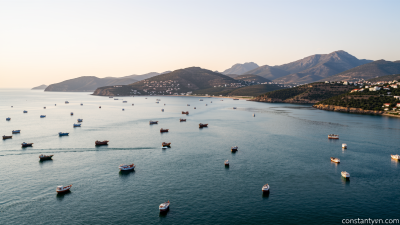
Iran Advances Negotiations with Oman for Strategic Waterway Access
Constantvpn.com – Tehran is moving closer to securing a maritime arrangement with Oman that could reshape shipping patterns through one of the world’s most critical energy corridors. The proposed agreement would establish a designated route for commercial vessels navigating the Strait of Hormuz, a narrow waterway through which approximately twenty percent of global oil and liquefied natural gas supplies transit daily.
Foreign ministry spokesperson Esmaeil Baqaei confirmed that negotiations have reached their concluding phase, though he declined to elaborate on specific provisions. The Iranian official emphasized that while the framework with Oman represents significant progress, it does not automatically resolve all security challenges facing maritime traffic in the region.
Security Concerns Persist Despite Progress
Baqaei pointed to ongoing American military presence as a primary obstacle to complete normalization of shipping operations. The United States has maintained a naval blockade around Iranian ports since hostilities escalated, creating what Tehran characterizes as an environment of continued threat despite diplomatic overtures.
“The factors making the Strait of Hormuz insecure still exist on the part of the United States, particularly the naval blockade and other aggressive and threatening actions against Iran and its interests,” Baqaei stated.
The American administration has not yet issued a formal response to Iran’s proposal. Similarly, Omani officials have remained silent regarding their position on the potential agreement, leaving international observers to speculate about the likelihood of a breakthrough.
Temporary Route with Defined Parameters
According to Iranian Deputy Foreign Minister Kazem Gharibabadi, the proposed corridor would operate on a temporary basis for a period ranging from two to four months. The geographical coordinates for the designated shipping lane have reportedly been finalized between Tehran and Muscat, though technical specifications remain undisclosed.
This arrangement represents a significant shift from Iran’s previous posture of largely blocking the strait following military operations conducted by the United States and Israel in late February. Since those strikes, Iranian forces have systematically restricted vessel passage, attacking ships that failed to obtain prior clearance for transit through the waterway.
Fee Disputes Complicate Resolution
One of the most contentious issues between the competing parties involves maritime tolls. Iranian officials have proposed charging vessel operators between five and seven percent of cargo value for passage rights. Oman has countered with a more modest three percent rate, while Washington insists on eliminating fees entirely.
The proposed deal would additionally grant Tehran enhanced authority over ships entering the Persian Gulf through the Hormuz passage, according to international news agencies covering the negotiations. This expanded control could significantly influence regional shipping dynamics for years to come.
Leadership Transition Amid Crisis
The diplomatic maneuvering occurs against a backdrop of dramatic political change within Iran. Supreme Leader Ayatollah Ali Khamenei perished during the initial American-Israeli assault on February twenty-eighth, with his son Mojtaba Khamenei assuming the position shortly thereafter.
The younger Khamenei sustained injuries during the same military campaign that triggered the regional conflict. He has maintained an extremely low public profile since the attacks, communicating primarily through written declarations rather than public appearances. Iranian President Masoud Pezeshkian acknowledged the communication challenges, noting that while contact with the supreme leader remains difficult, his presence continues to provide crucial stability for the nation.
Market Reactions and Historical Context
Energy markets have experienced considerable volatility throughout the conflict. Brent crude futures settled at seventy-nine dollars and twenty-four cents per barrel during Asian trading on Thursday, reflecting a modest decline of zero point three percent. The strait’s disruption has created ripple effects across global commodity markets as supply chains adjust to reduced throughput capacity.
Previous diplomatic efforts have struggled to gain traction. Iran and the United States signed a memorandum of understanding in June designed to halt hostilities and restore normal shipping operations within sixty days. That agreement collapsed rapidly, with retaliatory attacks resuming within days of its conclusion.
The current Oman proposal emerges as another attempt to stabilize the situation while preserving Iranian sovereignty concerns. Whether this arrangement will prove more durable than its predecessors remains uncertain, particularly given the complex web of regional alliances and competing interests at play.
As negotiations continue, the international community watches closely to see if this latest initiative can finally open the vital waterway to unrestricted commercial traffic while addressing the security concerns that have plagued the region since the conflict began.
Related Reading
Frequently Asked Questions
What is Iran says deal with Oman on Strait?
Iran says deal with Oman on Strait is the main topic of this guide. The article explains the context, practical details, and next steps readers should understand.
Why does Iran says deal with Oman on Strait matter?
Iran says deal with Oman on Strait matters because readers are looking for a useful answer, not just a short summary. Good content should match search intent and help them decide what to do next.
