Palestine is now the conscience of the world. No deal will change that
Palestine is now the conscience of the world. No deal will change that
This week in Washington, US President Donald Trump unveiled a proposal that masquerades as peace, yet lacks the substance of genuine dialogue. The agreement, hailed as a landmark, was crafted between an American ally and an Israeli leader, sidelining the very people it claims to serve. Palestinians, both the Authority and Hamas, were absent from the narrative, their struggles reduced to a backdrop for a political spectacle.
Trump sat beside Israeli Prime Minister Benjamin Netanyahu, lauding him for endorsing a plan he himself had devised. The scene was devoid of Palestinian voices, with no representation to lend legitimacy to the arrangement. The absence was deliberate, erasing the agency of those whose future is at stake.
A Colonial Framework
The deal mirrors the colonial mindset that gave rise to the Abraham Accords, where Palestine is treated as a subject rather than a sovereign entity. It celebrates peace while ignoring the occupation, the blockade, and the systematic erasure of Palestinian identity. The rhetoric of reconciliation is hollow, as the occupied people are excluded from the very process that defines their fate.
“Who could believe it?”
Netanyahu exclaimed, as if stunned by the complicity of Muslim regimes in Israel’s dominance. These leaders, summoned to endorse the agreement, were not there to support Palestine but to force it into submission. Their role is to act as intermediaries, smoothing the path for an imposed resolution.
A Mirage of Victory
Trump’s offering to Netanyahu wasn’t a compromise, it was a declaration of triumph. The Israeli leader, who failed to conquer Gaza by force or secure hostages through war, now claims victory through diplomacy. The deal is a tool to transform military defeat into political glory, leveraging the global stage to legitimize a unilateral outcome.
Despite two years of bombing campaigns and massacres, Israel couldn’t break Palestinian resistance. Trump’s plan attempts to rewrite that narrative, presenting a narrative of reconciliation that ignores the occupation’s brutal reality. It is an act of dominance, cloaked in humanitarian language.
The Tide of Solidarity
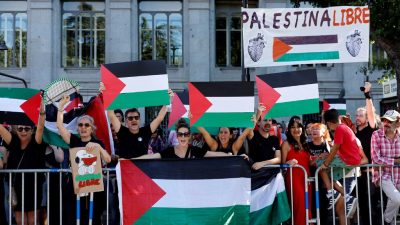
Yet the tide of global support for Palestine is rising, unshaken by the deal. At the UN, Netanyahu stood alone as 77 nations walked out, leaving him to address empty seats. Public opinion in Europe and the US shifts against Israel, with younger generations leading the charge. The world’s conscience is no longer swayed by force or false promises.
Historians will judge this moment harshly. A ceasefire plan that excludes the occupied is not peace—it is a colonial decree, resurrecting the language of mandates and tutelage. The same mindset that promised Palestinian land in the Balfour Declaration of 1917 now repeats itself, disguised as diplomacy.
“This is nothing but a ‘surrender plan,’”
said Egypt’s former UN delegate Motaz Khalil. The agreement silences Palestinians, strips them of representation, and hands Netanyahu the victory he once sought through violence. It is the Gaza Humiliation Foundation in action, a system of control that redefines peace as submission.
