Boss of fake government agency arrested in Nigeria after weeks on the run
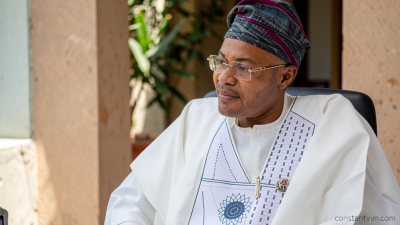
Nigerian Man Arrested for Leading Phantom Presidential Council
Weeks-Long Manhunt Ends in Osun State
Boss of fake government agency arrested – Adeniyi Adeyemi Matthew, the self-proclaimed director general of a fabricated government body created within the Nigerian presidency, has finally been taken into custody following an extended period of concealment. The arrest occurred in Osun State, located in the southwestern region of Nigeria, bringing an end to a high-profile case that has captured national attention since President Bola Tinubu directed authorities to investigate the fraudulent organization.
According to court records, a warrant was issued on Tuesday by the Federal High Court in Abuja, Nigeria’s capital city, after Matthew failed to attend a scheduled hearing. He faces multiple charges including forgery and impersonation of government officials. The arrest operation involved specialized units from the police Force Intelligence Department alongside members of the Intelligence Response Team, though specific details about how and where the suspect was apprehended remain somewhat unclear at this time.
Forged Documents and Fake Credentials
The controversy surrounding the so-called Presidential Foreign Investment Promotion Council (PFIPC) began when an official-looking letter purporting to establish the agency was discovered to be counterfeit. Forensic experts employed by the police conducted thorough analysis and confirmed that the signature of Femi Gbajabiamila, the president’s chief of staff, had been artificially reproduced on the disputed appointment document. This revelation prompted the presidency to publicly declare the entire agency as fictitious.
Court documents reveal that Matthew, along with two other individuals, allegedly utilized counterfeit official papers to create and run the phantom council. They reportedly opened several bank accounts under the council’s name and sought formal recognition for an organization that never legitimately existed. Despite these allegations, Matthew has consistently maintained his innocence in various interviews with Nigerian media outlets.
Financial Claims and Official Records
Matthew had previously claimed that the PFIPC was established in 2024 with the primary objective of attracting foreign investment to Nigeria. However, investigators found no evidence of any actual deals or agreements being finalized through this supposed body. BBC News Pidgin discovered that the agency had managed to secure office premises within the Federal Secretariat, the extensive government complex that accommodates numerous ministries in Abuja.
Perhaps most remarkably, the fake council appeared in the 2026 Appropriation Act with an allocation of 1.3 billion naira, equivalent to approximately $950,000 or £700,000. The agency was also reported to have opened accounts with the Central Bank of Nigeria. However, the Accountant-General’s Office has since clarified that the PFIPC never actually operated any account with the central bank and received neither public funds nor salaries for its operations.
Safety Concerns and Legal Proceedings
During his time in hiding, Matthew expressed serious concerns about his personal safety. According to local reports, he stated, “My life is in danger,” while simultaneously promising to appear in court to clear his name. His lawyer, Genesis Francis, explained to the court that despite efforts to convince him, Matthew remained reluctant to attend the Tuesday hearing due to these safety fears. The lawyer further revealed that the defendant had written an open letter directly to President Tinubu voicing his concerns.
The scandal has generated significant public interest and prompted calls from civil society organizations, opposition politicians, and senior legal professionals for an independent inquiry into the matter. Police have confirmed that Matthew is expected to be transported to the police headquarters in Abuja for additional questioning as the investigation continues.
This case represents one of the most prominent examples of institutional fraud in recent Nigerian history, highlighting vulnerabilities in government verification processes and raising questions about how a completely fabricated agency managed to secure official recognition and substantial budgetary allocations.
