Heavy rains and flash floods in Bangladesh leave 51 dead
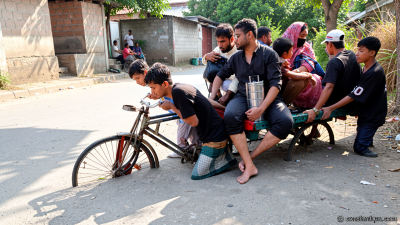
Devastating Floods and Rainfall Claim Lives Across Bangladesh
Heavy rains and flash floods in Bangladesh – Severe weather conditions have swept through Bangladesh in recent days, leaving a trail of destruction and loss. At least fifty-one individuals have perished while over one million residents have been impacted by the relentless downpour. The catastrophic flooding and landslides have struck multiple regions throughout the nation, with the capital city of Dhaka experiencing particularly challenging conditions. In certain neighborhoods of the capital, standing water has climbed to knee height, severely disrupting daily life and transportation networks.
Human Toll and Displacement
The human cost of this disaster continues to mount as thousands of families have been forced to abandon their residences. Cox’s Bazar district has borne the brunt of the fatalities, accounting for twenty-eight of the fifty-one confirmed deaths. This coastal area is renowned for hosting the world’s largest refugee settlement, where more than one million Rohingya people reside. The tragedy struck even harder last week when floodwaters surged through an educational facility in the district, claiming the lives of several students alongside one teacher.
Emergency response teams have worked tirelessly to relocate vulnerable populations. Thousands of displaced individuals are now finding temporary refuge in government-operated shelters scattered across the affected regions. Authorities have been proactive in their approach, issuing advance warnings about potential flooding and landslides as the weather patterns intensified over the past week. Student examinations have been postponed in several areas to accommodate the emergency situation, while families residing in high-risk zones have been evacuated to safer locations.
Geographical Vulnerability and Climate Concerns
Bangladesh’s geographical characteristics make it particularly susceptible to water-related disasters. The nation sits at a low elevation and is crisscrossed by numerous rivers, creating a landscape that naturally collects and channels water. During the annual monsoon season, the country routinely experiences heavy precipitation and subsequent flooding. However, scientific experts have raised concerns that climate change is altering these traditional patterns, making rainfall events more intense and occurring with greater frequency than in previous decades.
The current deluge began more than seven days ago and has progressively worsened. As precipitation levels climbed, emergency services expanded their operations to cover the growing affected areas. The combination of saturated ground and continuous rainfall has created conditions ripe for additional landslides, particularly in hilly regions of the country.
Infrastructure Challenges and Future Outlook
Local media organizations have begun scrutinizing the government’s previous infrastructure investments, particularly regarding Dhaka’s drainage systems. Residents have reported that despite earlier improvement efforts, many streets remain unable to handle heavy rainfall effectively. The waterlogged conditions have significantly reduced traffic flow throughout the capital, with commuters facing extended travel times and unpredictable routes.
Looking ahead, meteorological officials remain cautiously optimistic about certain regions while warning about others. The situation in the southeastern portion of the country is expected to show improvement in the coming days. However, the northeastern and northern territories continue to experience monsoon conditions that could lead to additional flooding.
Sarder Udoy Raihan of the Flood Forecasting and Warning Centre told the AFP news agency that the situation in the southeast of the country was likely to improve soon. But with the monsoon continuing to affect the northeastern and northern parts of Bangladesh, “there is a possibility of further inundation”, he warned.
As the monsoon season persists, authorities continue to monitor weather patterns closely and maintain emergency preparedness measures. The full extent of the damage to homes, agricultural land, and infrastructure is still being assessed as recovery efforts begin to take shape across the affected regions.
