‘Cool in 90 seconds’ – the fake portable air conditioners sweeping the internet
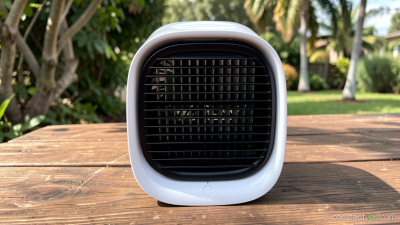
The Truth Behind Viral Portable Air Conditioners
Cool in 90 seconds – As British temperatures climb, shoppers are encountering a flood of online advertisements promising revolutionary cooling solutions. These portable units claim to transform sweltering rooms in just ninety seconds, often featuring dramatic backstories about former NASA engineers. The phrase “Cool in 90 seconds” has become ubiquitous across social media platforms, drawing in thousands of potential buyers eager to beat the summer heat.
The Advertising Standards Authority has issued warnings about these products, describing many claims as too good to be true. Despite regulatory caution, advertisements continue to proliferate on Facebook and YouTube, showcasing sleek devices with AI-generated visuals of copper coils and advanced technology. Consumers are being told these gadgets can cool entire homes using minimal electricity, all while maintaining a compact design.
What Experts Really Found
YouTuber Stuart Matthews from the Proper DIY channel purchased several of these units for approximately seventy pounds each to test their effectiveness. His investigation revealed that most devices were essentially small, simple fans worth only a few pounds. Rather than containing sophisticated machinery, Matthews discovered cheap components and flawed science inside what was marketed as a reverse-engineered aircon unit with a liquid-compressed cooling cartridge.
The reality proved far less impressive than the marketing materials suggested. Inside the plastic casings, Matthews found what he described as a load of cardboard fins that get wet as the water blows past them. While these swamp coolers can function adequately in hot, dry climates, they actually increase humidity levels—making them less suitable for typical UK weather conditions. Unlike conventional air conditioning systems, these devices lack exhaust hoses to remove warm air from rooms.
“I really feel for the people that have been sucked into buying some of this rubbish,” Matthews commented after his thorough testing of multiple units.
The ASA advises consumers to exercise caution when encountering these products online. Shoppers should research retailers carefully, verify contact details, and seek independent reviews before making purchases. Red flags include overly ambitious promises about cooling capacity, dramatic origin stories, poor grammar, and suspiciously perfect customer reviews. Many advertisements feature inconsistent logos and spelling errors that suggest hastily created campaigns.
Prices for these devices typically range between seventy and one hundred and twenty pounds, representing a significant investment for what amounts to basic fan technology. The watchdog recommends reporting questionable advertisements through their official website to help protect other consumers from misleading claims. As the summer season progresses, more shoppers are likely to encounter these viral products, making informed purchasing decisions increasingly important.
