Dallas Cowboys player who died by suicide diagnosed with brain disease
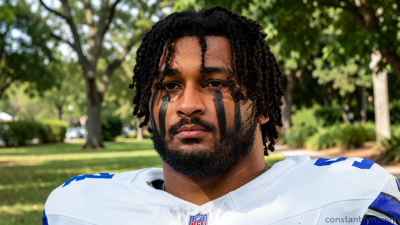
CTE Diagnosis Revealed for Dallas Cowboys Player Following Tragic Death
Dallas Cowboys player who died by suicide – Scientists at Boston University’s CTE Center have confirmed that Marshonn Kneeland, the Dallas Cowboys defensive lineman who took his own life last year, was suffering from stage 1 chronic traumatic encephalopathy at the time of his passing. The diagnosis came through careful postmortem examination of brain tissue from the 24-year-old athlete.
Dr. Ann McKee, who directs the center, expressed that the findings aligned with their broader research patterns. She noted that nearly half of the athletes they studied who died before reaching age 30 showed evidence of this progressive neurological condition. Stage 1 represents the mildest classification among CTE’s four stages, with symptoms typically including headaches and difficulties maintaining attention or concentration.
Family Statement and Context
Kneeland’s relatives released a statement acknowledging that the diagnosis offered meaningful insight into challenges the young player had been navigating. They emphasized their desire to help others comprehend the potential struggles faced by athletes in the NFL and similar high-impact sports.
“We share this information to help people understand what NFL and other high-contact sport athletes might be struggling with,” the family explained in their public message.
The family also expressed their commitment to honoring Marshonn’s full life rather than allowing his death to define his legacy entirely.
“We continue to remember Marshonn with compassion for the person he was, rather than defining him by the final moments of his life.”
Circumstances of Death and Career
The Cowboys player died in November 2025 following an incident involving Texas State Troopers. Law enforcement officers reported attempting to stop Kneeland for a traffic violation when the situation escalated. After crashing his vehicle, he fled on foot before being discovered in the early morning hours with a self-inflicted gunshot wound.
Kneeland had been selected by Dallas in the second round of the 2024 draft. During his time with the team, he appeared in 18 games and made four starts. His football journey began at age seven when he started playing tackle football, and he later competed for Western Michigan University before earning his spot as a defensive end in the NFL.
Broader Research and Settlement Context
Scientific studies have consistently demonstrated that participants in American football, rugby, and various combat disciplines face substantially elevated risks of developing CTE compared to average populations. Because the condition can only be definitively identified after death, researchers rely on brain tissue analysis to confirm diagnoses.
The Boston University CTE Center reported in 2023 that they had identified CTE in 345 out of 376 former NFL players they examined. This extensive research contributed to the NFL agreeing to a $1 billion (£700 million) settlement following litigation initiated by more than 5,000 former players. Ultimately, over 21,000 ex-athletes may qualify for financial compensation under the agreement.
The CTE Society, a nonprofit organization, outlines that stage 1 symptoms can additionally encompass short-term memory difficulties, depression, aggressive behaviors, and challenges with executive function. As the disease progresses through later stages, these issues intensify while mood fluctuations and suicidal ideation may surface. In the most advanced stage, individuals can experience profound cognitive impairment, significant memory loss, and dementia.
Expert Perspectives on Prevention
Boston University’s CTE Center clarified that while the suicide involved multiple contributing factors, a CTE diagnosis alone is not established as a direct risk factor for self-harm. Nevertheless, researchers involved in the case argued that insufficient measures have been implemented to reduce CTE risk for athletes.
“Mr. Kneeland played in the modern era of concussion protocols and better helmets, and yet he still developed CTE,” observed Dr. Chris Nowinski, co-founder and CEO of the Concussion & CTE Foundation.
Dr. Nowinski further emphasized that there is no justification for assuming the current generation of players faces reduced CTE risk compared to earlier eras of football.
The ongoing investigation into connections between head impacts and neurological disease continues to shape how professional sports organizations approach player safety and long-term health monitoring.
