Ear plugs have become a festival must-have – but they aren’t all created equal
Ear Plugs as Festival Must-Haves: Not All Created Equal
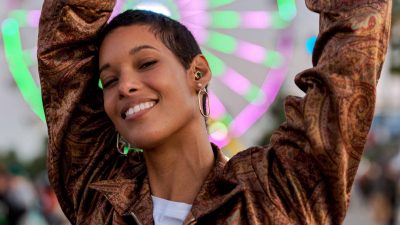
Ear plugs have become a festival essential for music lovers, who increasingly rely on them to guard against hearing damage. Once viewed as simple tools for quieting sound, these devices are now marketed as stylish accessories that merge function with fashion. At events like Radio 1’s Big Weekend, attendees are commonly seen sporting sleek, v-shaped ear plugs that not only block noise but also add a touch of flair to their festival outfits. This trend extends to major concerts, such as Harry Styles’ performances at Wembley or BTS’ UK tour, where ear plugs are no longer just for protection but also for self-expression.
The Rise of Festival-Ready Ear Plugs
As the festival culture evolves, so do the ear plugs designed for it. Brands like Loop, Alpine, and Hears are capitalizing on this shift, offering products tailored to Gen Z and millennial audiences. These ear plugs come in vibrant colors and come in various sizes to ensure a snug fit, blending practicality with aesthetic appeal. For example, Loop’s collaboration with Coachella and Tomorrowland has made their designs synonymous with the festival experience, while Alpine’s focus on urban audiences highlights the growing demand for both comfort and style.
For many festivalgoers, ear plugs have become a symbol of proactive self-care. Amira, a 21-year-old attendee, says her peers are now discussing hearing protection more openly. “I feel like most of my friends are talking about trying to protect their hearing a bit more,” she explains. This cultural shift is also evident among professionals in the music industry, such as Paula, a 26-year-old concertgoer who uses ear plugs to balance the intensity of live events. “They help reduce the overwhelming crowd noise and make the music clearer,” she notes, emphasizing the dual role of ear plugs as both a practical tool and a fashion statement.
Science Meets Style in Modern Ear Protection
While the design of festival ear plugs has taken center stage, their scientific importance remains unchanged. The British Association of Audiologists reports that hearing loss is one of the most common disabilities in the UK, with one in three adults affected. This makes proper protection crucial, especially at festivals where sound levels can reach hazardous peaks. Franki Oliver, an audiologist at RNID, likens the damage caused by loud music to the withering of festival grass: “The first day, it looks beautiful, but by the end, it’s probably not coming back.” She stresses that a proper seal is key to effective noise reduction, which most brands now offer through adjustable sizing.
Some festival ear plugs are engineered to filter out specific frequencies, allowing fans to enjoy music without compromising clarity. This innovation appeals to those who want to stay immersed in the performance while shielding their ears. However, Oliver warns that not all products are equal. “The higher the SNR rating, the better the protection,” she advises. “If you’re not careful, you might end up with a hearing hangover after just a few hours of loud music.” This underscores the need for consumers to choose ear plugs that meet safety standards, ensuring both style and substance.
Ear plugs have also become a status symbol, reflecting personal taste and awareness of health. Alpine CEO Arthur van Keeken notes that their products are favored by younger, urban festival attendees who view ear protection as a lifestyle choice. “They see it the same way skiers see helmets,” he says. This perspective highlights a cultural evolution, where hearing safety is no longer an afterthought but a priority, much like other forms of personal care. As festivals continue to draw larger crowds, the demand for reliable and fashionable ear plugs is expected to grow, ensuring their place as a must-have for music lovers.
