Russia looks to students to make up for mounting losses in Ukraine
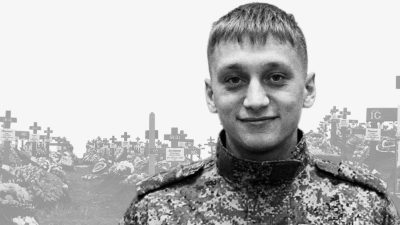
Russian Students Step Into Battlefield as Drone Forces Seek Fresh Recruitment
Russia looks to students to make – As Russia continues its war effort in Ukraine, the military has turned to students as a key source of replacement for fallen soldiers. Valery Averin, a 23-year-old former student, became one of the first casualties among this group after enlisting through a recruitment campaign targeting educational institutions. His foster mother, Oksana Afanayeva, described the abrupt shift from academic study to combat. “He studied drones for three months—and yet they still threw him into a frontal assault, into the meat grinder,” Afanayeva said, reflecting on how quickly his training was followed by frontline deployment.
A Targeted Recruitment Drive
Russia launched a large-scale campaign in early 2025 to attract young people from universities and technical colleges, focusing on those with academic challenges or considering taking a break from studies. The initiative highlights drone units as a more advanced and elite path within the military, offering recruits a sense of modernity and technical prowess. This approach aims to sustain Russia’s war effort as it enters its fifth year, with officials emphasizing the importance of maintaining troop numbers despite high casualties.
Valery, who grew up in an orphanage in eastern Siberia, was placed in foster care at age 11. By the time he was recruited, he was in his final year at the Buryat Republican Technical School of Construction. Initially, he informed his foster mother he was being sent to work at Wildberries, a Russian online retailer, but she was shocked to learn he had signed a military contract and completed training as a drone operator. “He told me: ‘Nothing will happen to me, everything will be fine,'” she recalled, capturing the optimism that accompanied his enlistment.
From School to Combat in Weeks
Valery’s fate was not unique. Another young recruit, Vladislav Gorbunov, an 18-year-old from the town of Unecha, 70 kilometers north of the Ukrainian border, died four months after joining the military. Gorbunov had studied railway construction and maintenance at his local State Technical School of Sectoral Technologies and Transport. Initially assigned to an infantry unit, he was later transferred to a drone operators’ branch, a move that exposed him to the front lines. His death on 6 April 2025 underscored the risks faced by students in this new role.
Rakhim Abdullin, a 19-year-old from Kumertau, enrolled in a mining college two years prior to train as a welder. However, his studies didn’t pan out, and in January 2025, just weeks after turning 18, he signed a military contract to become a drone operator. His mother, Elena Abdullin, explained the perceived safety of the option: “They made it seem like a low-risk choice. But once he got there, it turned out not to be safe at all.” By 13 March 2025, Rakhim was among the casualties, his life cut short in the line of duty.
The Human Cost of Modern Warfare
These three students represent a broader trend. The BBC’s analysis of cemeteries, war memorials, government records, and obituaries confirms 230,407 Russian soldiers and officers have died in Ukraine, with the actual toll believed to be significantly higher. Military experts estimate that open-source data reflects 45-55% of the total deaths, placing the real figure between 417,000 and 509,500. GCHQ, the UK’s largest spy agency, projected nearly 500,000 total fatalities in May 2025, aligning with these figures.
Ukraine’s losses are also severe. President Volodymyr Zelensky reported 55,000 deaths as of February 2026, along with many missing in action. An anonymous Ukrainian website suggests the total military deaths could reach 213,000, while Dutch military intelligence estimates the combined number of dead, wounded, and missing at approximately 500,000. These numbers highlight the devastating impact of the war on both sides, with students and young professionals increasingly bearing the brunt.
Elite Units and Voluntary Paths
Authorities in Russia frame the recruitment of students as a voluntary entry into a cutting-edge military branch. The “unmanned systems troops” are marketed as a modern alternative, emphasizing technical training and strategic roles. Defenders of the program argue that drone operators are less exposed to direct combat than traditional infantry, but the reality for recruits like Valery, Vladislav, and Rakhim challenges this narrative.
Defence Minister Andrei Belousov noted in November 2025 that the drone force would prioritize individuals under 35, considering them more adaptable to “new technologies and speeds.” This policy led to rapid expansion of recruitment meetings across educational institutions, with BBC Russian uncovering activity in at least 95 universities and colleges. The campaign’s urgency reflects Russia’s need to replenish its ranks, with students often seen as a reliable and flexible pool.
The shift from academia to warfare has been swift. In early 2025, Valery was still preparing for his final year at the Buryat school when he was thrust into combat. Similarly, Vladislav transitioned from railway studies to frontline operations, and Rakhim left his welding training for the drone forces. These cases illustrate the pressure on young people to contribute to the war effort, even before completing their education.
Shifting Priorities and Hidden Realities
While the military presents drone units as a safer option, the experiences of these recruits reveal a different story. The emphasis on modernity and technology may mask the dangers of combat, particularly as drone operators are frequently deployed near enemy positions. Afanayeva’s account of Valery’s sudden transition from study to battle highlights the disconnect between the training received and the combat reality faced by young recruits.
For many, the decision to join the military was influenced by the perception of stability and progress. However, the frontlines have proven otherwise. As Russia seeks to maintain its war effort, the recruitment of students reflects a strategic move to replace losses with a new generation of fighters. This trend has created a cycle where young people are quickly mobilized, often without sufficient preparation for the intensity of warfare.
The use of AI drones in Ukraine has further complicated the situation. These advanced weapons have been deployed to target critical supply convoys, disrupting Russian logistics and intensifying the need for replacements. The combination of high-tech warfare and the influx of student recruits underscores the evolving nature of the conflict, where both sides are adapting to new challenges with limited resources and growing human toll.
Russia’s reliance on students has also raised questions about the long-term impact on education and youth. With many young people enlisting before finishing their studies, the country risks a generation of skilled workers entering the military rather than the workforce. Despite this, the program continues, driven by the necessity to sustain the war effort and the appeal of a modern, elite military path.
In the end, the stories of Valery, Vladislav, and Rakhim serve as a reminder of the personal cost of war. Their lives were transformed in weeks, from classrooms to battlefields, as Russia’s strategy to replace losses took shape. The BBC’s analysis of verified deaths and the broader estimates reveal a grim picture, with both sides enduring immense sacrifice. For the students, the journey from education to combat has been abrupt, and the promise of safety may have been more illusion than reality.
