Mini-mart at centre of investigation closed down
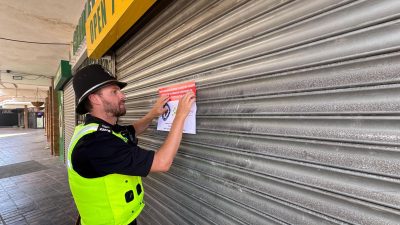
Mini-Mart at Centre of Investigation Closed Down
Mini mart at centre of investigation – A small shop located in Cradley Market, Sandwell, has remained shuttered for three months following a BBC investigation that uncovered illicit drug sales and counterfeit goods being sold openly. The probe, conducted over an extended period, revealed that the establishment was acting as a hub for distributing cocaine, cannabis, and prescription medications without proper oversight. This discovery has prompted authorities to take decisive action, leading to the shop’s temporary closure and a broader push to address similar operations across the region.
Undercover Findings Spark Legal Action
The BBC’s undercover team discovered that the store was not only selling recreational drugs but also offering prescription medications without prescriptions. During the investigation, staff were able to procure cocaine and cannabis on two separate occasions, while a range of counterfeit medicines were also presented. The operation was further complicated by the recent seizure of crystal meth and cannabis from the premises on Cradley High Street, resulting in the arrest of a local resident.
“We’re really hoping [the closure today] will act as a deterrent to other people who are operating, selling counterfeit goods or other criminal activity – particularly the selling of drugs.”
The 43-year-old man from Cradley Heath has been charged with possessing Class A and Class B substances. His court appearance is scheduled for August, as authorities continue to gather evidence. This case has been highlighted by Sandwell Borough Council, which cited the shop as a serious nuisance. The council’s statement emphasized that the establishment had become a focal point for community complaints, ranging from illegal parking on double yellow lines to noise and littering incidents.
Government Eyes Legislative Changes
In response to the growing concerns, the government is considering new measures to empower authorities to close such establishments for up to a year. This proposal comes as part of a wider effort to combat organized crime and illegal activities on high streets. Home Secretary Shabana Mahmood has praised the BBC’s reporting, linking the issue to the perception of political instability. She stated, “People feel high streets are being taken over by organized crime and immigration criminality. The government is not prepared to tolerate it.”
Local leaders are also weighing in on the matter. Shokat Lal, chief executive of Sandwell Council, noted that the closure of the mini-mart aligns with ongoing efforts to address the problem at a grassroots level. “We’ve been working closely with residents and other agencies to tackle these issues,” he explained. “The shop has been reported multiple times for its contribution to the local community’s concerns.”
Broader Crackdown and Community Impact
The closure coincides with a national crackdown on illegal trade, with the National Police Chiefs Council announcing that 300 individuals have been arrested in related operations. These arrests followed the BBC’s revelations, which exposed how shopfronts are increasingly exploited by criminal networks. The National Crime Agency (NCA) and Chartered Trading Standards Institute (CTSI) have both confirmed the role of such establishments in facilitating the distribution of illegal drugs.
Trading Standards officers visited the premises 12 times since the investigation began, seizing a variety of illicit items including counterfeit cigarettes, tobacco, and drugs. These actions have been part of a coordinated response to bring illegal activity under control. The shop’s location on Cradley High Street has drawn attention to the challenges of maintaining order in areas where small businesses are often used as fronts for larger criminal enterprises.
Community Concerns and Future Outlook
Residents of Cradley Heath have long expressed frustration over the shop’s impact on the neighborhood. Reports indicate that groups of people frequently gather outside the store, creating a disturbance in the local area. Additionally, illegal parking and littering have contributed to the perception of the shop as a problematic presence. Shokat Lal acknowledged these concerns, stating that the closure is intended to send a clear message about the council’s commitment to eradicating illegal practices.
While the shop’s closure has been welcomed by some, the question remains whether this single action will be enough to address the systemic issues. The broader implications of the case highlight a growing trend where high streets are becoming battlegrounds for criminal activity. With the government exploring new legal tools, the focus is shifting toward preventive measures to stop such operations before they gain momentum.
Uncovering the Hidden Networks
The BBC’s investigation, which spanned over a year, revealed how these small businesses serve as convenient fronts for illicit trade. The undercover team’s ability to purchase drugs and counterfeit medications underscores the ease with which these operations can thrive. The National Crime Agency has emphasized the need for stricter enforcement, particularly in areas where law enforcement resources are stretched thin.
Following the initial report in April, West Midlands Police arrested two individuals suspected of drug dealing linked to the shop. These arrests have been part of a larger effort to disrupt criminal networks, but the case has also drawn attention to the role of small businesses in enabling such activities. The closure of the Cradley Market shop represents a significant step, but it also serves as a warning to others who may be engaging in similar practices.
As the legal proceedings continue, the case is likely to influence future policies and public perception of high streets. The government’s proposed legislation aims to streamline the process of closing businesses involved in illegal activities, providing authorities with greater flexibility to act swiftly. For now, the community awaits the outcome of the closure, hoping it will lead to a lasting reduction in the presence of criminal networks in everyday spaces.
The BBC’s role in exposing these activities has been pivotal, shedding light on the hidden networks operating in plain sight. Their investigation has not only led to immediate consequences but has also sparked a conversation about the need for stronger regulatory frameworks. With more cases like this emerging, the balance between convenience and crime prevention on high streets is under renewed scrutiny.
Shokat Lal’s comments reflect a growing collaboration between local governments and other agencies to tackle these issues. The council is working to ensure that such shops are no longer a source of concern for residents. However, the challenge remains in maintaining consistent enforcement and adapting to the evolving tactics of criminal groups.
As the closure of the Cradley Market shop becomes a case study, it underscores the importance of vigilance and community involvement in combating illegal activities. The actions taken by authorities serve as a reminder that even small businesses can have significant consequences when they facilitate criminal operations. The future of high streets may depend on these efforts to restore trust and safety to public spaces.
